
Affordable Restorative Dentistry Options in 2026
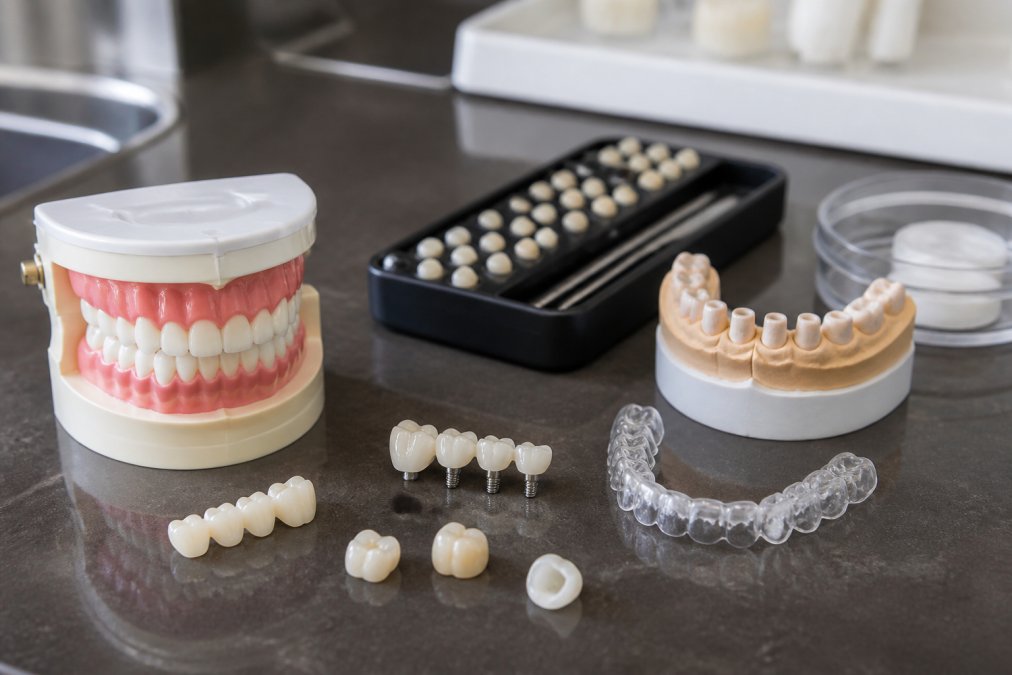
Table of Contents
- What Is Restorative Dentistry and Why It Matters
- Common Restorative Dentistry Procedures and Costs
- Signs You Need Full Mouth Rehabilitation
- Dental Financing Options to Make Treatment Affordable
- Restorative Dentistry vs. Cosmetic Dentistry: What’s the Difference
- How to Choose the Right Restorative Option for Your Situation
- Frequently Asked Questions
Last Updated: August 25, 2026
What Is Restorative Dentistry and Why It Matters
Restorative dentistry repairs and replaces damaged or missing teeth to restore function, appearance, and oral health. Unlike cosmetic dentistry, which prioritizes aesthetics alone, restorative dentistry addresses structural integrity and bite while improving how you eat, speak, and smile.
Tooth loss and decay cascade into compounding problems. When teeth are missing or severely damaged, remaining teeth shift, your bite changes, and jawbone deterioration accelerates. Early intervention prevents far costlier treatments down the road. A filling today beats a root canal and crown tomorrow. An implant placed promptly prevents bone loss that would make future implants impossible.
The procedures covered here span from simple fillings to full mouth rehabilitation, each addressing a different problem at a different price point. Understanding your options is the first step to making restorative dentistry affordable.
Common Restorative Dentistry Procedures and Costs
Restorative dentistry encompasses several distinct procedures, each solving a specific problem with its own cost structure and longevity profile.

Dental Fillings
A filling repairs a tooth damaged by decay. The dentist removes the decayed portion and fills it with composite resin, amalgam, or other material. Fillings are the most common and affordable restorative procedure.
Composite fillings (tooth-colored) match natural teeth and bond directly to tooth structure. Amalgam fillings (silver-colored) are less expensive and extremely durable. A single filling usually costs less than other restorative procedures and lasts 5-15 years depending on material and oral hygiene (the American Dental Association).
Fillings only work when decay hasn’t progressed too far. If damage is extensive or the tooth is cracked, a crown or extraction becomes necessary.
Crowns and Bridges
A crown caps a damaged tooth, restoring its shape and strength. Crowns are necessary when decay is deep, the tooth is cracked, or a root canal has weakened it. Porcelain crowns look natural and resist staining. Metal-based crowns are more durable but less aesthetic. Porcelain-fused-to-metal crowns balance both.
A bridge replaces one or more missing teeth by anchoring artificial teeth to adjacent natural teeth. Bridges are less invasive and expensive than implants but require grinding down healthy adjacent teeth. Crowns typically last 10-15 years; bridges last similarly but depend on the health of anchor teeth.
Dental Implants and Dentures
An implant is a titanium post surgically placed into the jawbone, topped with a crown. Implants feel and function like natural teeth, preserve jawbone, and don’t require grinding adjacent teeth. The downside: they’re expensive, require surgery, and need good jawbone density.
Dentures are removable replacements for missing teeth. Full dentures replace all teeth; partial dentures replace some. Dentures are the most affordable option for replacing many missing teeth but require daily cleaning and adjustment. Implants last 20+ years with proper care; dentures last 5-10 years before needing adjustment or replacement (the American Dental Association).
Root Canal Treatment
A root canal removes infected or inflamed pulp from inside your tooth, cleans the canal, and seals it. Root canals are necessary when decay reaches the nerve or trauma damages the pulp. Without treatment, the tooth will abscess and require extraction.
Modern techniques and anesthesia make root canal treatment manageable, typically taking 1-2 hours. Afterward, the tooth is usually crowned to protect it and restore function. Root canal treatment preserves the original tooth structure.
Signs You Need Full Mouth Rehabilitation
Full mouth rehabilitation is a comprehensive treatment plan addressing multiple damaged or missing teeth, often combined with gum disease, bite problems, or significant bone loss.
You may be a candidate if you’ve lost multiple teeth or have severe decay affecting several teeth. When three or more teeth are missing or unsalvageable, isolated fillings or single implants won’t solve the problem. A coordinated approach using implants, bridges, dentures, or combinations creates a functional, stable bite.
Your bite may have shifted when teeth are missing, causing adjacent teeth to migrate into gaps and changing your bite alignment. This causes jaw pain, headaches, and accelerated wear on remaining teeth. Full mouth rehabilitation corrects the bite by replacing missing teeth and restoring proper alignment.
Advanced gum disease destroys the bone supporting teeth. Severe cases require tooth extraction and replacement. Full mouth rehabilitation addresses the gum disease, extracts hopeless teeth, and restores function with implants or dentures.
Jaw pain, clicking, or difficulty chewing often signal bite problems stemming from missing teeth or misalignment. Full mouth rehabilitation corrects underlying structural issues.
When multiple teeth are missing or severely damaged, social confidence suffers. Full mouth rehabilitation restores both function and appearance.
Full mouth rehabilitation is complex and expensive but transformative. It typically unfolds over 6-18 months, but the result is a mouth that works, looks good, and feels comfortable.
Dental Financing Options to Make Treatment Affordable
Multiple pathways exist to make restorative dentistry accessible.

Payment Plans and In-House Financing
Many dental practices offer in-house payment plans that spread treatment costs over time without credit card interest. These plans divide total treatment cost into monthly installments over 6-24 months. Some practices offer interest-free periods (often 6-12 months) if you pay the balance within that window.
In-house financing is straightforward: you work directly with the practice, approval is often faster than traditional financing, and no third-party lender is involved. Ask your dentist about their specific payment plan structure, interest rate, payment schedule, and what happens if you miss a payment.
Dental Insurance and Coverage
Dental insurance typically covers preventive care (cleanings, exams, X-rays) at 100%, basic restorative procedures (fillings) at 70-80%, and major restorative work (crowns, implants, bridges) at 50% (the CDC). Most plans include an annual maximum benefit of $1,000-$2,000 per year. For full mouth rehabilitation or multiple implants, you’ll likely exceed your annual maximum.
Waiting periods are common. Many plans exclude coverage for pre-existing conditions for 6-12 months. Understanding what’s covered and what’s excluded before enrolling is essential.
Community Resources and Sliding Scale Programs
Federally qualified health centers and community dental clinics offer reduced-cost or sliding scale dental care based on income. Dental schools offer discounted treatment performed by students under faculty supervision at 30-50% less cost.
Some nonprofits and charities fund emergency dental care or extractions for uninsured patients. Research what’s available in your area. Sendero Dental Studio offers an uninsured patient special designed to make comprehensive care accessible without insurance.
Restorative Dentistry vs. Cosmetic Dentistry: What’s the Difference
Restorative dentistry repairs damage and restores function. A filling restores a decayed tooth. An implant replaces a missing tooth. A crown protects a cracked tooth. These procedures solve problems and address decay, loss, or damage.
Cosmetic dentistry improves appearance without necessarily addressing functional problems. Teeth whitening brightens discolored teeth. Veneers cover stains or reshape teeth. These procedures enhance how your smile looks but don’t repair damage or restore lost function.
Dental insurance typically covers restorative procedures because they address disease and dysfunction. Cosmetic procedures are usually not covered because they’re elective.
When discussing treatment with your dentist, clarify which category each procedure falls into. That determines what insurance covers, what you pay out-of-pocket, and whether the procedure addresses a functional problem or an aesthetic one.
How to Choose the Right Restorative Option for Your Situation
Choosing the right restorative procedure requires honest assessment of three factors: the extent of damage, your budget, and your long-term priorities.
Assess the damage. A small cavity requires a filling. A large cavity or cracked tooth requires a crown. A missing tooth requires an implant, bridge, or denture. A dentist’s examination determines what’s actually wrong and narrows your options immediately.
Understand the cost-longevity trade-off. Fillings are cheap and short-lived (5-15 years). Crowns cost more and last longer (10-15 years). Implants cost the most but last the longest (20+ years). The cheapest option now isn’t always the cheapest option over time. A $1,500 implant lasting 25 years costs less per year than an $800 bridge lasting 10 years.
Consider your priorities. Do you prioritize preserving natural tooth structure? Implants don’t require grinding adjacent teeth but are expensive and require surgery. Do you prioritize affordability now? Dentures and bridges are cheaper upfront. Do you prioritize convenience? Implants feel and function like natural teeth; dentures require daily removal and cleaning.
Ask your dentist for a treatment plan. A comprehensive plan outlines which teeth need treatment, recommended procedures for each, the sequence and timeline, and the cost. It identifies which procedures your insurance covers and which you’ll pay out-of-pocket.
Start with what’s urgent. If you have an abscessed tooth or severe pain, that’s your first priority. Urgent restorative dentistry prevents infection and saves the tooth.
Sendero Dental Studio provides comprehensive consultations that evaluate your entire mouth, explain your options, and create a realistic treatment plan. Understanding your specific situation is the foundation for making confident choices.
Restorative dentistry offers real solutions to tooth decay, damage, and loss. The procedures range from simple and affordable to complex and costly. Financing options, insurance, payment plans, and community resources exist to make treatment accessible. The key is starting the conversation with a dentist you trust. Schedule a consultation to evaluate your situation, understand your options, and create a treatment plan that works for your health and your budget. At Sendero Dental Studio, we’re here to guide you through every step, ensuring you get the restorative care you need without financial stress.
Frequently Asked Questions
What is the difference between restorative dentistry and cosmetic dentistry?
Restorative dentistry focuses on repairing damaged, decayed, or missing teeth to restore function and oral health. Cosmetic dentistry improves appearance without necessarily addressing underlying dental problems. Restorative procedures like fillings, crowns, and implants are often covered by dental insurance because they treat tooth decay and tooth loss. Cosmetic procedures are typically not covered.
What are the most cost-effective restorative dentistry options?
Composite fillings are among the most affordable options for treating tooth decay. Dental bonding is cost-effective for minor damage. For missing teeth, dentures are typically less expensive upfront than implants, though implants last longer. Bridges fall between these options. The best choice depends on your specific needs and budget. Consult with your dentist to compare longevity versus cost for your situation.
How do I know if I need full mouth rehabilitation?
Signs you need full mouth rehabilitation include severe tooth decay affecting multiple teeth, significant tooth loss, bite problems, chronic jaw pain, or difficulty eating and speaking. Advanced gum disease, worn-down teeth from grinding, or a combination of failed previous treatments may also indicate the need for comprehensive restoration. A dental professional can evaluate your oral health and recommend a personalized treatment plan.
Are dental payment plans available for restorative procedures?
Yes, many dental practices offer in-house payment plans that allow you to spread restorative treatment costs over several months. Some practices also work with third-party financing companies. Dental insurance may cover a portion of restorative costs, typically 50-80% depending on your plan. Community health centers and dental schools often offer reduced-cost services. Contact your dentist to discuss available financing options.
Does dental insurance typically cover restorative procedures?
Most dental insurance plans cover restorative procedures like fillings, crowns, and root canals because they treat dental disease and restore function. Coverage typically ranges from 50-80% after your deductible is met. Dentures and implants may have lower coverage percentages or annual maximums. Cosmetic aspects of restorative work are usually not covered. Review your specific plan details or ask your dentist’s office to verify coverage before treatment.
This article was written using GrandRanker