
What Happens During a Deep Dental Cleaning Procedure
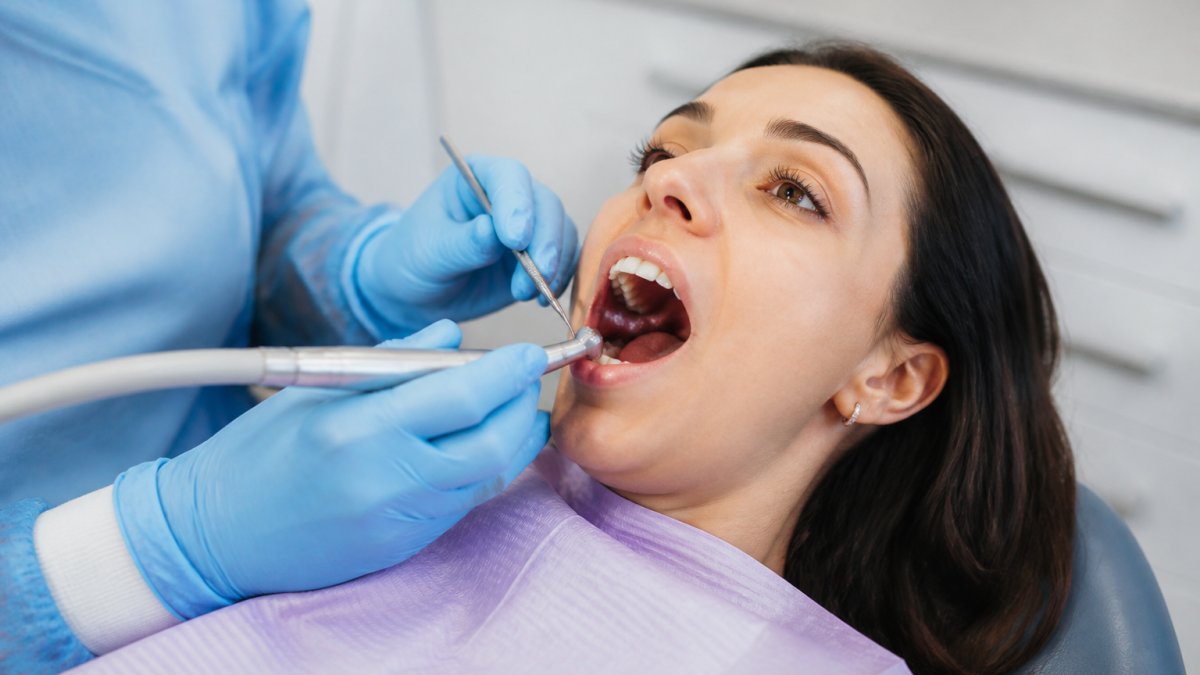
Table of Contents
- What Is a Deep Dental Cleaning and Why It Is Recommended
- Signs You Need a Deep Dental Cleaning
- Step-by-Step: What Happens During a Deep Dental Cleaning Procedure
- Scaling and Root Planing Recovery Time
- How to Manage Sensitivity After Deep Cleaning
- Cost, Insurance, and What to Ask Before You Schedule
- Long-Term Maintenance After a Deep Cleaning
- Frequently Asked Questions
Last Updated: September 28, 2026
What Is a Deep Dental Cleaning and Why It Is Recommended
A deep dental cleaning is a procedure that removes plaque and tartar from below the gumline and smooths the root surfaces of your teeth. Dentists recommend it when gum disease has progressed beyond what a routine cleaning can fix.
Signs You Need a Deep Dental Cleaning
The most common signs are bleeding gums, persistent bad breath, and gums that have pulled away from your teeth. Your dentist confirms the diagnosis by measuring the depth of the spaces between your teeth and gums.
Gum Symptoms You Should Not Ignore
Watch for these warning signs:
- Gums that bleed when you brush or floss
- Red, swollen, or tender gums
- Gums that look like they are pulling away from your teeth
- Receding gums that make your teeth look longer
- Constant bad breath that does not go away
- Loose or shifting teeth
- Pus between your teeth and gums
One thing most people miss: pain is often the last symptom to show up. By the time your gums hurt, the infection has usually been building for a while. That is why regular checkups matter more than waiting to feel something wrong.
Step-by-Step: What Happens During a Deep Dental Cleaning Procedure
Here is the honest answer: the procedure happens in three clear stages, and knowing them ahead of time takes most of the fear out of it. Most appointments take one to two hours, and the work may be split across two visits.
Step 1: Examination and Periodontal Probing
Your dentist or dental hygienist measures the depth of each gum pocket with a small tool called a periodontal probe. This step is quick and mostly painless.
Step 2: Numbing and Scaling
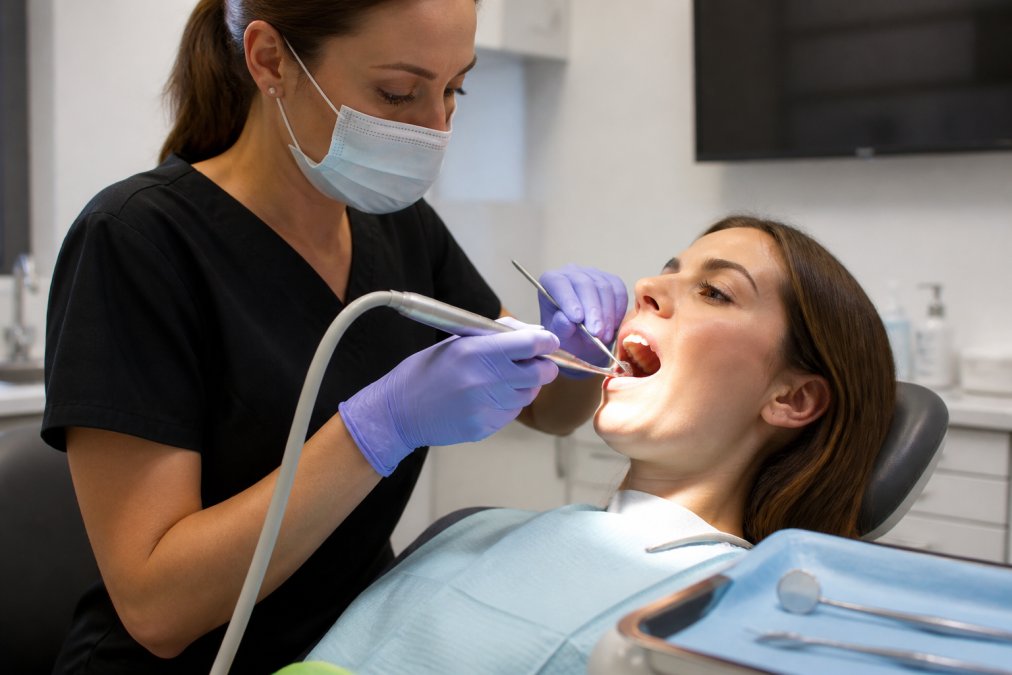
The area may be numbed with local anesthesia for comfort. Then plaque, tartar, and bacterial biofilm are removed from below the gumline using an ultrasonic scaler and hand instruments.
Step 3: Root Planing and Irrigation
Root planing smooths the rough root surfaces so bacteria have a harder time sticking to them again. Smooth roots also help your gums reattach.
Scaling and Root Planing Recovery Time
Most people return to normal activities the same day, but the first 48 hours set the tone for how quickly your gums heal. What you eat, drink, and do during that window matters more than most patients realize.
Here is a realistic timeline:
- Day 1: Numbness wears off over 2-4 hours. Gums feel sore and may bleed a little when you brush. Expect some oozing around the treated sites.
- Days 2-3: Tenderness peaks, then starts to ease. Swelling is usually mild.
- Week 1: Most soreness is gone. Teeth may feel loose or sensitive, especially to cold.
- Weeks 2-4: Gums tighten up and start to reattach. Pockets begin to shrink.
What to Eat and Avoid in the First 48 Hours
The treated gum tissue is essentially an open wound, and the clot that forms in each pocket is fragile. The right foods protect it; the wrong ones dislodge it or irritate it.
Eat these:
- Cool or room-temperature soft foods: yogurt, applesauce, cottage cheese, scrambled eggs, mashed potatoes, smoothies (no straw), and lukewarm soup.
- Protein that requires no chewing: soft-cooked fish, ground meat, or a protein shake.
- Cold foods actually help, they soothe swollen gums and reduce bleeding.
Avoid these for at least 48 hours:
- Hot drinks and hot soup, heat increases blood flow and can trigger bleeding.
- Crunchy or sharp foods: chips, popcorn, nuts, crusty bread, and seeds. These can lodge in pockets and cut gum tissue.
- Sticky foods: caramel, gummy candy, and dried fruit. They pull at the clot.
- Spicy and acidic foods: citrus, tomatoes, vinegar, and hot sauce. They sting exposed tissue.
- Alcohol and tobacco, both slow healing and irritate gums.
- Straws, the suction can dislodge clots. Drink directly from a cup.
Cold foods like yogurt or applesauce feel best on the first day. Skip hot drinks until the numbness fully wears off, since you can burn your mouth without feeling it. A cold pack on the outside of your cheek for 15 minutes at a time can also reduce swelling.
Activity and Oral Care in the First 48 Hours
- Skip strenuous exercise, heavy lifting, and bending over for the first day, increased blood pressure can cause bleeding.
- Do not brush the treated areas on day one. Rinse gently with warm salt water (1/2 teaspoon salt in 8 oz of water) starting 24 hours after the procedure.
- Resume gentle brushing on day two with a soft-bristled brush, but avoid flossing the treated pockets until your dentist says it is safe.
- Take over-the-counter pain relief as directed. Avoid aspirin unless your dentist approves it, since it can increase bleeding.
Call your dentist if bleeding does not stop after 20 minutes of gentle pressure, if pain gets worse instead of better after day three, or if you notice swelling or a fever. Those can point to an infection that needs a follow-up visit.
How to Manage Sensitivity After Deep Cleaning
Sensitivity after a deep cleaning is common and usually fades within a week or two. The reason is simple: once calculus and tartar are removed, your roots are exposed for the first time in a while.
Try these steps to ease it:
- Use a soft-bristled brush and gentle strokes
- Switch to toothpaste made for sensitive teeth
- Avoid very hot or very cold foods for a few days
- Rinse with warm salt water after 24 hours
- Take over-the-counter pain relief if needed
Cost, Insurance, and What to Ask Before You Schedule
- Is this billed per quadrant or as a full-mouth treatment?
- Does my plan cover scaling and root planing, and at what percentage?
- What will I owe after insurance?
- Do you offer payment plans for uninsured patients?
Skipping a needed deep cleaning to save money usually costs more later. Untreated periodontitis can lead to bone loss and tooth loss, which means implants or dentures down the road. Those cost far more than the cleaning itself.
Sendero Dental Studio offers an uninsured patient special, so you can get a clear picture of your options before you commit to anything.
Long-Term Maintenance After a Deep Cleaning
A deep cleaning is not a one-time fix. Without ongoing care, gum disease comes back, and it often returns faster the second time. The patients who keep their teeth longest are the ones who treat maintenance as routine, not optional.
The Maintenance Schedule Your Dentist Will Likely Recommend
Your dentist will likely recommend periodontal maintenance therapy every three to four months instead of the usual six. These visits are not the same as a regular cleaning, they typically include pocket depth re-measurement, removal of new buildup above and below the gumline, and monitoring for signs of recurrence.
| Stage | What Happens | Typical Timing |
|---|---|---|
| Deep cleaning visit | Scaling and root planing | Day 0 |
| Healing check | Re-measure pockets, check gums | 4-6 weeks later |
| Maintenance therapy | Cleaning and monitoring | Every 3-4 months |
| Full re-evaluation | X-rays if needed | Yearly |
Specific Flossing Techniques That Protect Your Results
Regular flossing is not enough after a deep cleaning. The pockets are still deeper than normal, and standard flossing can miss the bacteria that live at the bottom. These techniques target the areas that matter most:
- C-Shape Flossing: Wrap the floss around each tooth in a C-shape and slide it gently below the gumline until you feel slight resistance. Hug the tooth and move the floss up and down 5-6 times. This cleans the pocket wall, not just the space between teeth.
- Interdental Brushes: For gaps between teeth, small interdental brushes (like Proxabrushes) reach into pockets better than floss. Ask your hygienist what size fits your gaps.
- Water Flossers: A water flosser on a low-to-medium setting can flush out pockets, especially around crowns, bridges, and implants. Use it after regular flossing, not instead of it.
- Soft Picks: For on-the-go cleaning, soft picks can remove plaque from the gumline between professional visits.
Tools That Make a Difference
- Sonic or electric toothbrush: These remove more plaque than manual brushing, especially along the gumline. Look for one with a pressure sensor so you do not brush too hard.
- Antibacterial mouthwash: Your dentist may recommend a prescription rinse for a short period after treatment, or an over-the-counter rinse for daily use.
- Tongue scraper: Bacteria on the tongue can re-seed the pockets. Scrape daily.
- Proxy brushes and rubber tip stimulators: These massage the gums and help remove plaque from hard-to-reach areas.
Daily Routine That Prevents Recurrence
- Brush twice a day for two full minutes, angling the bristles 45 degrees toward the gumline.
- Floss or use a water flosser daily, using the C-shape technique described above.
- Use an antibacterial mouthwash if your dentist suggests one.
- Keep every maintenance appointment, even when your gums feel fine. Gum disease is often silent until it is advanced.
- Monitor your own gums: bleeding, redness, or swelling between visits is a sign to call your dentist sooner.
The three-to-four-month maintenance interval is not arbitrary. It is based on how long it takes for harmful bacteria to repopulate the pockets after a cleaning. Skipping visits gives that bacteria a head start, and the damage can happen before you feel anything.
Frequently Asked Questions
Is a deep dental cleaning painful?
Most patients receive local anesthesia before the procedure, so the scaling and root planing itself is typically not painful. You may feel pressure or vibration from the ultrasonic scaler. After the numbing wears off, some soreness and sensitivity are common for a few days. Over-the-counter pain relievers and a soft diet usually help. Tell your dental hygienist if you feel any discomfort during the appointment so they can adjust.
How long does a deep dental cleaning usually take?
A deep dental cleaning often takes longer than a routine prophy because it treats below the gumline. One to two hours per visit may be scheduled, and if your gum pockets are deep on both sides of the mouth, treatment may be split into two appointments. The exact time depends on the amount of tartar, inflammation, and bone loss present. Ask your provider how they plan to divide the visits.
What should I avoid after a deep dental cleaning?
For the first few days, skip very hot, spicy, crunchy, or acidic foods that can irritate healing gums. Do not smoke or use tobacco, which slows healing. Avoid vigorous rinsing, flossing hard, or poking at the gumline. Stick to soft foods like yogurt, eggs, and mashed vegetables. A medicated mouth rinse may also be recommended. Follow their specific aftercare instructions for the best recovery.
How do I know if I need a deep cleaning versus a regular cleaning?
A regular cleaning, or prophy, removes plaque and tartar above the gumline. A deep cleaning is for active periodontal disease, where gum pockets are typically 4 millimeters or deeper, with bleeding, inflammation, and possible bone loss. Your dental hygienist measures pocket depth with a periodontal probe during an exam. If those numbers are elevated and X-rays show bone loss, they will likely recommend scaling and root planing instead of a routine prophy.
Gum disease rarely announces itself, and that is what makes it dangerous. If your gums bleed, your breath stays bad, or your dentist has mentioned deep pockets, the next step is a real evaluation, not another wait-and-see. At Sendero Dental Studio, we offer same-day emergency care, comprehensive treatment for the whole family, and a comfortable, health-centered approach built around your needs. Request your appointment with Sendero Dental Studio and get a clear answer about your gum health.