
Benefits of Consistent Dental Care for Children
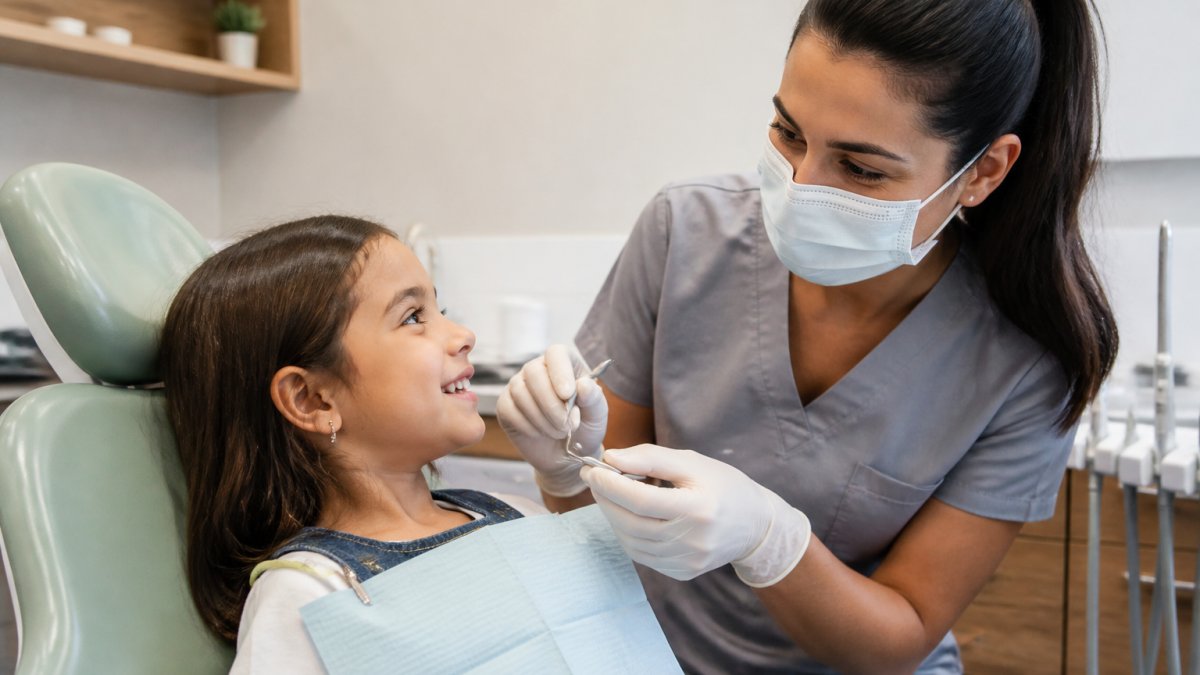
Table of Contents
- Why Consistent Dental Care Matters for Children
- Benefits of Regular Dental Checkups for Kids
- The Importance of Baby Teeth in Child Development
- Preventing Cavities in Children Through Daily Care
- How to Teach Preschoolers Dental Hygiene Habits
- Building Lifelong Oral Health Habits Starting Young
- Addressing Dental Anxiety and Creating Positive Experiences
- Conclusion
- Frequently Asked Questions
Last Updated: October 10, 2026
Why Consistent Dental Care Matters for Children
The benefits of consistent dental care for children extend far beyond a bright smile. When families establish regular dental routines early, they’re building a foundation for lifelong oral health, preventing costly problems down the road, and protecting their child’s overall wellbeing. (Source: guidelines from the American Academy of Pediatric Dentistry)
Many parents schedule dental visits only when problems appear, leading to preventable cavities, anxiety, and costly treatment. Regular checkups, professional cleanings, and daily home care prevent these issues.
Children whose parents prioritize consistent dental visits learn that oral health matters and are more likely to maintain good habits into adulthood.
Benefits of Regular Dental Checkups for Kids
Regular dental checkups for children serve as an early warning system. During these visits, a dentist can spot problems like early decay, bite issues, or developmental concerns long before they become serious. Catching these issues early often means simpler, less expensive treatment.
Routine visits also normalize dental care: children who see a dentist regularly lose anxiety and learn that dental offices are safe places.
Professional cleanings remove plaque and tartar buildup that brushing alone cannot, and allow hygienists to correct brushing technique issues.
Ask your child’s dentist about the recommended visit schedule for their age. While many children benefit from checkups every six months, some may need more frequent visits based on their individual risk factors or developmental stage.
The Importance of Baby Teeth in Child Development
Baby teeth guide permanent tooth eruption, aid chewing and speech development, and prevent orthodontic problems. Early loss due to decay causes misalignment.
Healthy baby teeth affect nutrition and confidence; children with cavities may avoid foods or feel self-conscious, impacting social development.
Baby teeth guide permanent teeth into the correct position. Protecting them through consistent care prevents alignment problems and more costly orthodontic treatment later.
Preventing Cavities in Children Through Daily Care
Cavity prevention rests on three pillars: daily home care, professional preventive treatments, and dietary choices. Understanding each pillar helps you make informed decisions about your child’s oral health.
Daily brushing and flossing
Children should brush twice daily with fluoride toothpaste: a pea-sized amount for ages 3+, smaller for under 3. Brush for two minutes, covering all surfaces (outer, inner, chewing).
Flossing should begin around age 3-4 when teeth touch. It removes plaque from areas a toothbrush cannot reach.
Frame oral hygiene as a normal daily routine (like eating breakfast) rather than an optional task. Brushing together as a family normalizes the behavior.
If your child resists brushing, try an electric toothbrush designed for kids. The vibration and timer can make brushing feel less like a chore and more like a game. Some models connect to apps that gamify the experience.
Fluoride: How it works and when to use it
Fluoride strengthens enamel and resists acid attacks from cavity-causing bacteria. Regular application through toothpaste, rinses, or professional treatments can reverse very early decay.
Many communities fluoridate tap water. If your water is fluoridated, your child gets protection from tap water and fluoridated toothpaste. If not, discuss supplements or professional treatments with your dentist.
Child toothpastes contain fluoride. Supervise to prevent excessive swallowing.
Your dentist may also recommend professional fluoride treatments, a gel, foam, or varnish applied directly to teeth during a dental visit.
Dental sealants: Protecting the chewing surfaces
Dental sealants are plastic coatings applied to back teeth’s chewing surfaces. They fill deep grooves where bacteria hide, creating a smooth, cavity-resistant surface.
Sealants are most effective when applied soon after permanent molars erupt (age 6 and 12). Your dentist will recommend them for children at moderate to high cavity risk.
Application takes minutes: the dentist cleans, applies bonding agent, and paints sealant material under a special light. Sealants are simple, painless, and highly effective.
Dietary choices and cavity risk
Cavity prevention requires watching sugary beverages and foods. Sugary drinks and snacks left on teeth create an ideal environment for bacteria to produce acid and cause decay.
Water is best between meals. Offer sugary drinks and snacks with meals only, not throughout the day. Frequent snacking means frequent acid attacks on teeth.
Watch for hidden sugars in dried fruit, granola bars, and yogurt. Offer crunchy fruits and vegetables as snacks; they stimulate saliva production and help neutralize acid.
Sticky foods pose a particular cavity risk because they cling to teeth and are hard to remove with brushing alone. Candy, caramel, dried fruit, and peanut butter are common culprits.
Cavity prevention is a combination of daily habits, professional treatments, and smart dietary choices. No single approach works alone; consistent brushing and flossing, fluoride exposure, sealants when appropriate, and limiting cavity-causing foods all work together to protect your child’s teeth.
Professional cleanings and early detection
Regular visits catch early decay before it becomes a cavity. High-risk children may need visits every 3-4 months instead of the standard 6 months.
How to Teach Preschoolers Dental Hygiene Habits
Match your approach to your child’s developmental stage: 1-year-olds need caregiver-led routines, 4-year-olds can learn motor control, 6-year-olds can take ownership.
Ages 12-24 months: Caregiver-led introduction
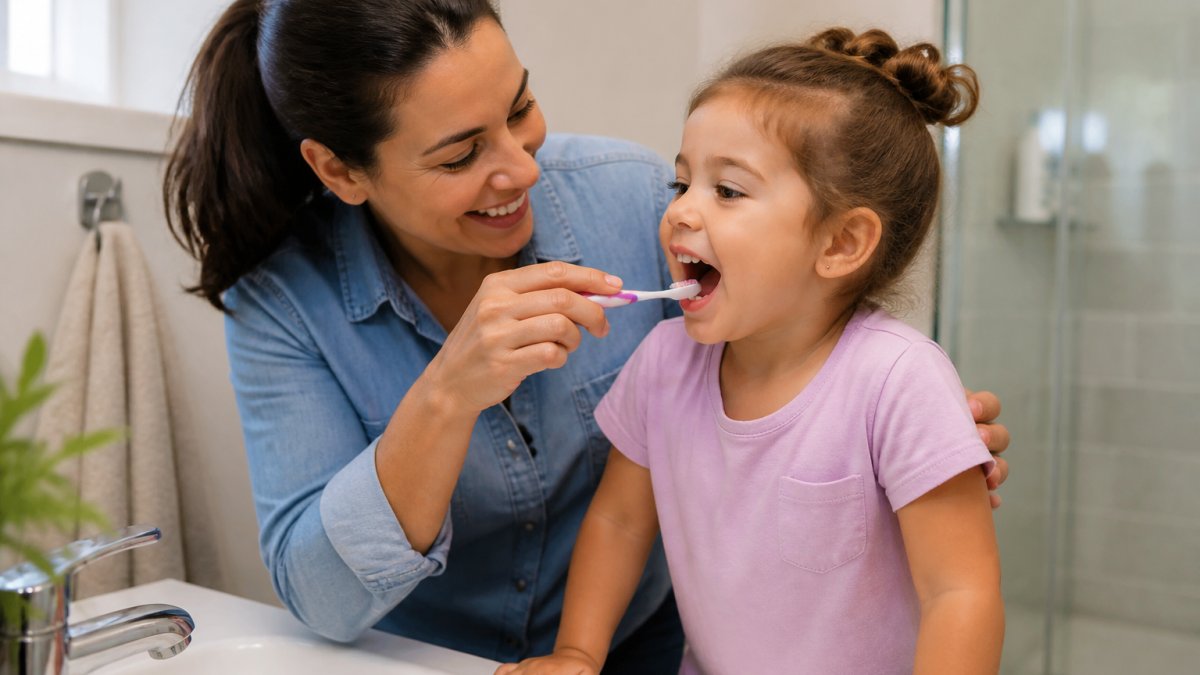
Use a soft-bristled infant toothbrush and brush twice daily with a smear of fluoride toothpaste (smaller than a grain of rice). Let your child hold a toothbrush while you clean their teeth. Keep it brief (30 seconds) and positive. Model brushing your own teeth.
Ages 2-3 years: Supervised participation
By age two, most children can hold a toothbrush and want to participate. Let them “brush” their own teeth for a few seconds, then take over to finish the job properly. Use a pea-sized amount of fluoride toothpaste, about the size of a grain of rice is still appropriate, though you can gradually increase to a pea as they improve at not swallowing. Brush for about one minute, focusing on all surfaces: outer, inner, and chewing surfaces of upper and lower teeth. Make it a shared routine: brush together in the morning and before bed so your child sees you doing it too. This modeling is one of the most powerful teaching tools available.
Flossing can begin around age 2-3. You’ll do it using a floss pick or water flosser. Keep it brief and matter-of-fact.
Ages 4-5 years: Building independence with oversight
Let them brush first, then follow up with a thorough brushing. Use a pea-sized amount. A timer or brushing song helps them understand duration.
Introduce flossing formally with a floss pick or holder. Explain: “Floss cleans spaces the toothbrush can’t reach, where bacteria hide and make cavities.”
Connect actions to outcomes: “When we brush away sugar bugs, teeth stay healthy. When we don’t, they make cavities that hurt.”
Ages 6-7 years: Transitioning to independence
By first grade, children can brush more effectively but need supervision until age 7-8. They can begin learning to floss, though mastery comes by age 8-9. Supervise to ensure they reach all surfaces.
Let them brush independently in the morning, but supervise bedtime brushing. Praise specific behaviors rather than generic praise.
Supervise brushing until your child is at least seven or eight years old. Young children tend to swallow toothpaste, which is why using only a pea-sized amount matters. Too much fluoride ingestion during the years when permanent teeth are forming can cause dental fluorosis (white spots or streaking on teeth). If your child swallows toothpaste regularly, discuss fluoride supplements or treatments with your dentist.
Making routines stick
Consistency matters more than perfection. Brush at the same times daily and pair with existing routines (after getting dressed, before pajamas) to make it automatic.
Let your child choose toothbrush color or character, but remember novelty fades by age 5; routine matters more than decoration.
Expect resistance from tired or sensory-sensitive children. Stay matter-of-fact: “It’s time to brush” rather than asking if they want to. Offer limited choices (“blue or green toothbrush?”) to give control while keeping brushing non-negotiable.
Building Lifelong Oral Health Habits Starting Young
Early habits persist into adulthood. Children who brush regularly, see the dentist, and understand why oral health matters maintain these behaviors as teenagers and adults.
Help your child understand why oral health matters: sugar feeds cavity-causing bacteria, brushing removes them, and the dentist checks for problems. Understanding the “why” improves compliance.
Regular dental visits reinforce these lessons. The dentist becomes a trusted authority whose professional reinforcement often carries extra weight with children.
| Habit | Age to Start | Daily Frequency | Why It Matters |
|---|---|---|---|
| Brushing teeth | 12-18 months | 2x daily | Removes plaque and bacteria |
| Flossing | 3-4 years | 1x daily | Cleans between teeth |
| Dental visits | 6-12 months (first visit) | Every 6 months | Early detection and prevention |
| Limiting sugary drinks | Birth onward | Ongoing | Reduces cavity risk |
Addressing Dental Anxiety and Creating Positive Experiences
Dental anxiety in children often stems from fear of the unknown. A child who’s never been to a dentist doesn’t know what to expect, and imagination can make it seem frightening. The best antidote is early, positive exposure. A first dental visit at age one, before any problems develop, establishes that dental offices are safe places.
How you talk about dental visits matters enormously. Avoid phrases like “it won’t hurt” or “don’t be scared,” which plant the idea that pain or fear is expected. Instead, use neutral language: “The dentist will look at your teeth” or “We’re going to clean your teeth.”
Some children have sensory sensitivities that make dental visits genuinely challenging. Bright lights, unfamiliar sounds, and having someone work in their mouth can overwhelm sensitive kids. A good pediatric dentist understands this and may allow a child to bring headphones, adjust the lights, or take breaks during treatment.
At Sendero Dental Studio, we create an environment where anxious children feel safe. Our team understands that a positive experience now prevents years of dental avoidance later. We take time with nervous kids, explain what we’re doing, and celebrate their bravery.
If your child shows signs of dental anxiety, mention it at your first appointment. A dentist experienced with anxious children can adjust their approach, going slower, using gentler language, or letting your child have some control over the process.
Conclusion
The benefits of consistent dental care for children compound over a lifetime. Early prevention prevents cavities and pain. Regular checkups catch problems before they become serious. Positive dental experiences build confidence and healthy habits that persist into adulthood. When families prioritize consistent care, they’re investing not just in dental health but in their child’s overall wellbeing, nutrition, development, and self-esteem.
At Sendero Dental Studio, we’re committed to making consistent dental care accessible and comfortable for every child in our community. Our team specializes in creating positive experiences that help children develop lifelong oral health habits. We use advanced technologies to ensure thorough care, offer same-day emergency appointments when problems do arise, and provide personalized guidance for families at every stage. Request your appointment with us today and let us help your child build a foundation for a lifetime of healthy smiles.
Frequently Asked Questions
How often should children visit the dentist?
The American Academy of Pediatric Dentistry recommends children visit the dentist every six months for routine cleanings and checkups, starting when the first tooth appears or by age one. More frequent visits may be needed if your child has higher cavity risk or existing dental problems. Regular dental checkups for kids help catch issues early and reinforce good oral hygiene habits.
What are the main benefits of preventive dental care for children?
Preventive care stops problems before they start. Regular checkups detect cavities and tooth decay early when treatment is simpler and less costly. Professional cleanings remove plaque and tartar that brushing alone cannot. Fluoride treatments and dental sealants protect enamel and strengthen teeth. Early detection also means fewer emergency visits and less pain. Most importantly, consistent dental care builds lifelong habits that protect your child’s oral health into adulthood.
Why are baby teeth so important if they fall out anyway?
Baby teeth guide jaw development and hold space for permanent teeth to erupt correctly. Losing a baby tooth too early to decay can cause permanent teeth to come in crooked, leading to orthodontic problems later. Baby teeth also help children chew food properly, speak clearly, and maintain nutrition. The importance of baby teeth extends beyond appearance, they support healthy tooth and jaw development that affects your child’s smile for life.
What’s the best way to prevent cavities in children?
Preventing cavities in children requires a combination approach. Brush twice daily with fluoride toothpaste, floss daily once teeth touch, and limit sugary drinks and snacks. Fluoride strengthens enamel and makes teeth more resistant to decay. Dental sealants applied to back teeth create a protective barrier against cavity-causing bacteria. Regular dental visits catch early signs of tooth decay. Nutrition matters too, water instead of juice, and foods that support strong teeth reduce cavity risk significantly.