
Benefits of Dental Sealants for Kids: A Parent’s Guide
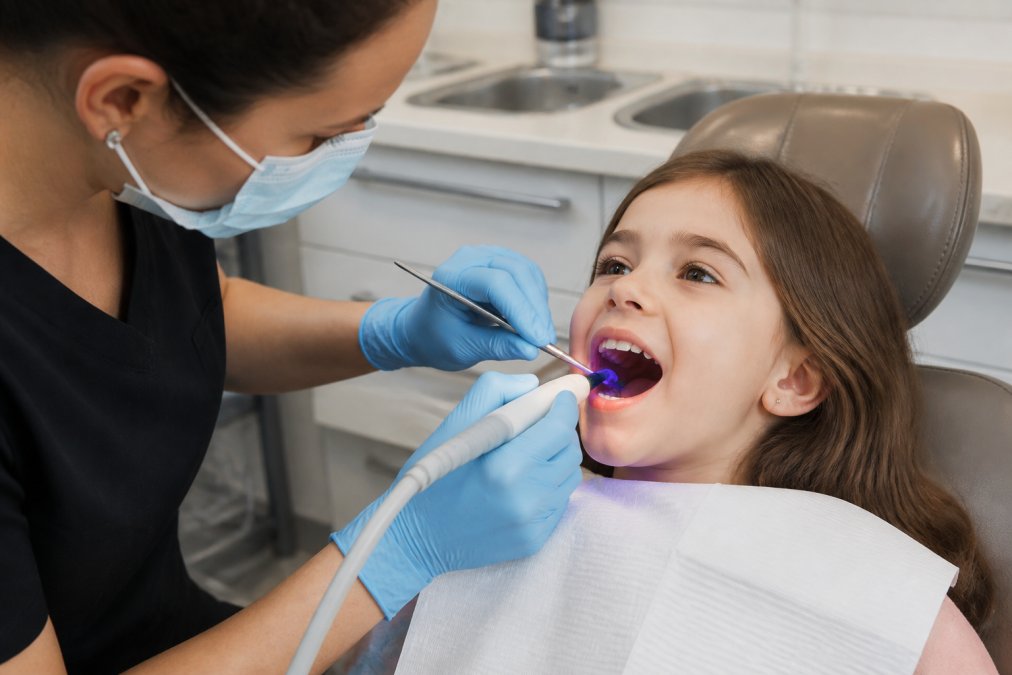
Table of Contents
- What Are Dental Sealants and How Do They Work?
- Key Benefits of Dental Sealants for Kids
- The Dental Sealant Procedure for Children: Step by Step
- How Long Do Dental Sealants Last?
- Cost of Dental Sealants for Kids and Insurance Coverage
- Pros and Cons of Dental Sealants
- Post-Application Care, Diet, and Sealant Maintenance
- Conclusion
- Frequently Asked Questions
Last Updated: September 21, 2026
What Are Dental Sealants and How Do They Work?
[Dental sealants](/dental-services/general-dentistry/sealants/) are thin, protective coatings painted onto the chewing surfaces of back teeth to shield them from decay. The benefits of dental sealants for kids start with simple math: the molars and premolars do most of the grinding, and their deep grooves trap food and bacteria that a toothbrush bristle often cannot reach.
Here is how they work.
How Sealants Block Cavities in Grooves and Pits
The chewing surface of a molar is not smooth. It is a landscape of narrow grooves and pits, and those recesses are where bacterial plaque settles and where acid erosion begins. A sealant fills those grooves with a composite resin that bonds to the enamel, creating a smooth protective barrier over the most vulnerable part of the tooth.
That barrier does not stop decay everywhere on the tooth. It stops it where decay most often starts. Flossing and fluoride still protect the smooth sides and the spaces between teeth, which is why sealants work alongside dental hygiene, not instead of it.
Key Benefits of Dental Sealants for Kids
The core benefit is cavity prevention where it counts most. Sealants cover the grooves and pits of molars and premolars, the surfaces most likely to develop decay in children, and they do it without drilling, numbing, or removing any tooth structure.
Preventing Cavities in Primary and Permanent Teeth
Sealants protect both primary teeth and permanent teeth. That distinction matters more than most parents realize.
A Non-Invasive, Painless Addition to Dental Hygiene
There is no needle and no drill. The procedure is non-invasive, which makes it one of the easier conversations to have with a nervous child. It adds protection to what brushing and fluoride already do rather than replacing either one.
Ask about sealants at the same visit as a routine cleaning. The tooth is already dry and isolated, so adding sealant placement to an existing appointment is usually faster and less disruptive than scheduling a separate trip.
The Dental Sealant Procedure for Children: Step by Step
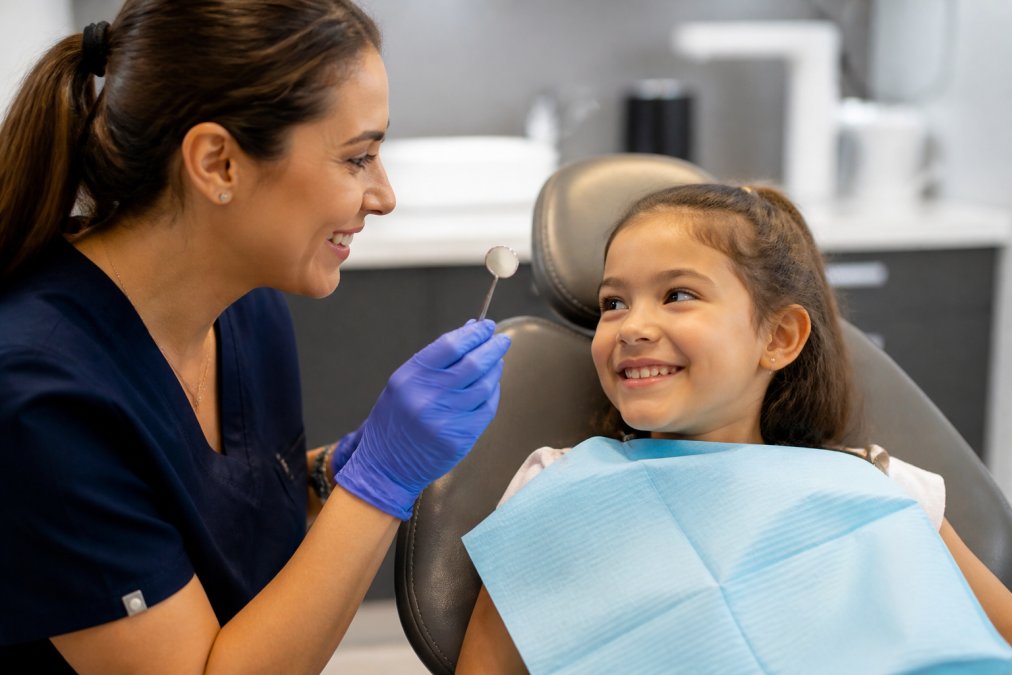
The dental sealant procedure for children is short and follows a predictable sequence. Most sealant appointments take only a few minutes per tooth, and the steps below are what you can expect.
- Clean the tooth. The dentist or hygienist brushes the chewing surface to remove plaque and food debris.
- Isolate and dry. Cotton rolls or a small isolation device keep the tooth dry, since moisture interferes with bonding.
- Etch the enamel. A mild etching gel roughens the surface so the resin can grip.
- Rinse and dry again. The gel is washed away and the tooth is dried thoroughly.
- Paint on the sealant. The liquid resin flows into the grooves and pits.
- Cure the resin. A curing light hardens the material in seconds.
- Check the bite. The dentist confirms the sealant feels smooth and does not interfere with the child’s bite.
How Long Do Dental Sealants Last?
How long do dental sealants last? A well-placed sealant can protect a tooth for several years, and in many children it lasts well into the teen years. But the honest answer is that lifespan depends far more on maintenance and on the individual child than on the material itself.
What Actually Determines Lifespan
Four factors do most of the work:
- The tooth’s position. First permanent molars, which erupt around age six, take the heaviest chewing load and tend to wear sealants faster than second molars that erupt later.
- The child’s chewing habits. Ice, hard candy, and pen caps are the usual culprits behind a chipped sealant.
- The bond at placement. A tooth that was not fully dry during application will not hold the resin as well, which is why a cooperative, dry moment matters so much.
- Whether the sealant is checked and repaired. This is the biggest lever, and it is the one parents control.
The Failure Mode That Matters Most
Sealants do not usually fail all at once. They wear thin or lift at the edge, and a partially lost sealant is the one that matters most. From above, the tooth can look sealed. Underneath, bacteria can slip into the gap between the resin and the enamel and start decay in a spot that is now harder to see and harder to clean.
What to Watch For at Home
You will not be able to see a lifted edge, but you can catch the signs that something changed:
- Your child reports a rough or bumpy feeling on a back tooth.
- A sealant looks chalky or dull compared with the tooth next to it.
- Your child complains of sensitivity to cold or sweets on a sealed tooth.
Skipping sealant checks because the tooth “looks fine” is the most common mistake we see. A sealant can wear thin or lift at the edge while looking normal on the surface, and decay can develop underneath it. Keep the six-month exam on the calendar.
The Takeaway on Longevity
Treat a sealant like a retainer or a filling: it is a maintenance item, not a permanent fixture. With routine checks, prompt repair, and a child who avoids ice and hard candy, most sealants do their job through the highest-risk years, which is exactly when they are needed most.
Cost of Dental Sealants for Kids and Insurance Coverage
Cost of dental sealants for kids is one of the few preventive services where the math is genuinely lopsided in the family’s favor. Sealants are inexpensive on the front end and prevent a much more expensive problem on the back end.
What Drives the Price
Three things move the number:
- Per-tooth vs. bundled. Many practices charge per tooth, and the fee is often lower when the sealant is placed during a routine cleaning because the tooth is already isolated and dry.
- Number of teeth treated. First and second permanent molars are the usual targets, so a typical treatment plan covers two to four teeth.
- Material and practice type. A pediatric or general dental office will price differently than a specialist, and BPA-free formulations can carry a small premium.
The Long-Term Cost-Benefit, in Plain Numbers
This is the comparison most articles skip. A single sealant is a one-time preventive cost. A cavity on the same chewing surface is not: it becomes a filling, and a filling is not permanent. Fillings can fail, and a failed filling on a molar often escalates to a crown or, if the nerve is involved, a pulpotomy or root canal on a primary tooth.
What Insurance Usually Covers
- Which teeth are covered, permanent molars only, or also premolars and primary teeth?
- Up to what age is the child covered?
- How often will the plan pay for a replacement sealant on the same tooth?
- Is the sealant covered at 100% as preventive, or does it fall under a different benefit category?
The cheapest cavity is the one that never forms. A sealant is a small, one-time cost; a filling, crown, or baby-tooth root canal is a larger cost that repeats. When you compare them side by side, sealants are usually the lower-cost path over a childhood.
Sendero Dental Studio offers an uninsured patient special for families without coverage, and our team will verify your benefits and walk you through what is covered before any treatment begins. You can check your plan’s preventive coverage rules or simply ask us to check for you.
Pros and Cons of Dental Sealants
Sealants are not a perfect solution, and pretending otherwise does not help anyone. Here is the honest breakdown.
| Consideration | The Case For | The Case Against |
|---|---|---|
| Cavity prevention | Shields the grooves and pits where most decay starts | Does not protect the sides or between teeth |
| Procedure | Non-invasive, no drilling, no numbing | Requires a dry, cooperative moment to bond well |
| Longevity | Lasts several years with routine checks | Can chip or wear and needs repair |
| Cost | Generally less than treating a cavity | Not always fully covered by insurance |
| Safety | Widely used in pediatric dentistry | Some parents prefer BPA-free formulations |
Post-Application Care, Diet, and Sealant Maintenance
Sealant maintenance is mostly about not working against the material in the first day. Stick to soft foods and avoid very sticky or hard candies and ice for the first 24 hours, then return to normal eating.
After that, the routine is unremarkable:
- Brush twice daily with fluoride toothpaste, reaching the back teeth
- Floss daily, since sealants do not protect between teeth
- Keep fluoride treatment and regular exams on schedule
- Avoid chewing ice, hard candy, or pen caps, which can chip a sealant
- Tell the dentist if your child reports a rough or “bumpy” feeling on a back tooth
Conclusion
The hardest part of protecting a child’s teeth is that the highest-risk surfaces are the hardest ones to clean. Sealants close that gap, and the conversation about whether your child is a candidate takes about five minutes at a routine visit.
Frequently Asked Questions
Are sealants worth it for kids’ teeth?
Yes, for many children. Sealants can reduce the risk of decay on the chewing surfaces of molars, where food and bacterial plaque collect in grooves and pits. This protection is especially valuable during the cavity-prone years. A dental professional can assess your child’s individual risk and recommend whether sealants make sense for their teeth.
At what age should kids get sealants?
Sealants are often applied when the first permanent molars come in, typically around age 6, and again when the second permanent molars erupt, usually around age 12. Some children may benefit from sealants on primary teeth if they have deep grooves. Your dentist can time the application to your child’s development.
Do dental sealants contain BPA?
Some sealant materials can contain trace amounts of BPA, but the levels are extremely low. BPA-free sealant options are available, so ask your dental professional about the materials they use. The protective benefit against tooth decay is generally considered to outweigh any minimal exposure concern.
What are the downsides of dental sealants?
Sealants can wear down, chip, or loosen over time, so they need to be checked at regular dental visits. A sealant can also trap bacteria if it is not fully bonded, which is why proper application and sealant maintenance matter. They do not replace fluoride treatment, brushing, or flossing as part of overall dental hygiene.