
Dental Cleaning and the Health of Your Smile
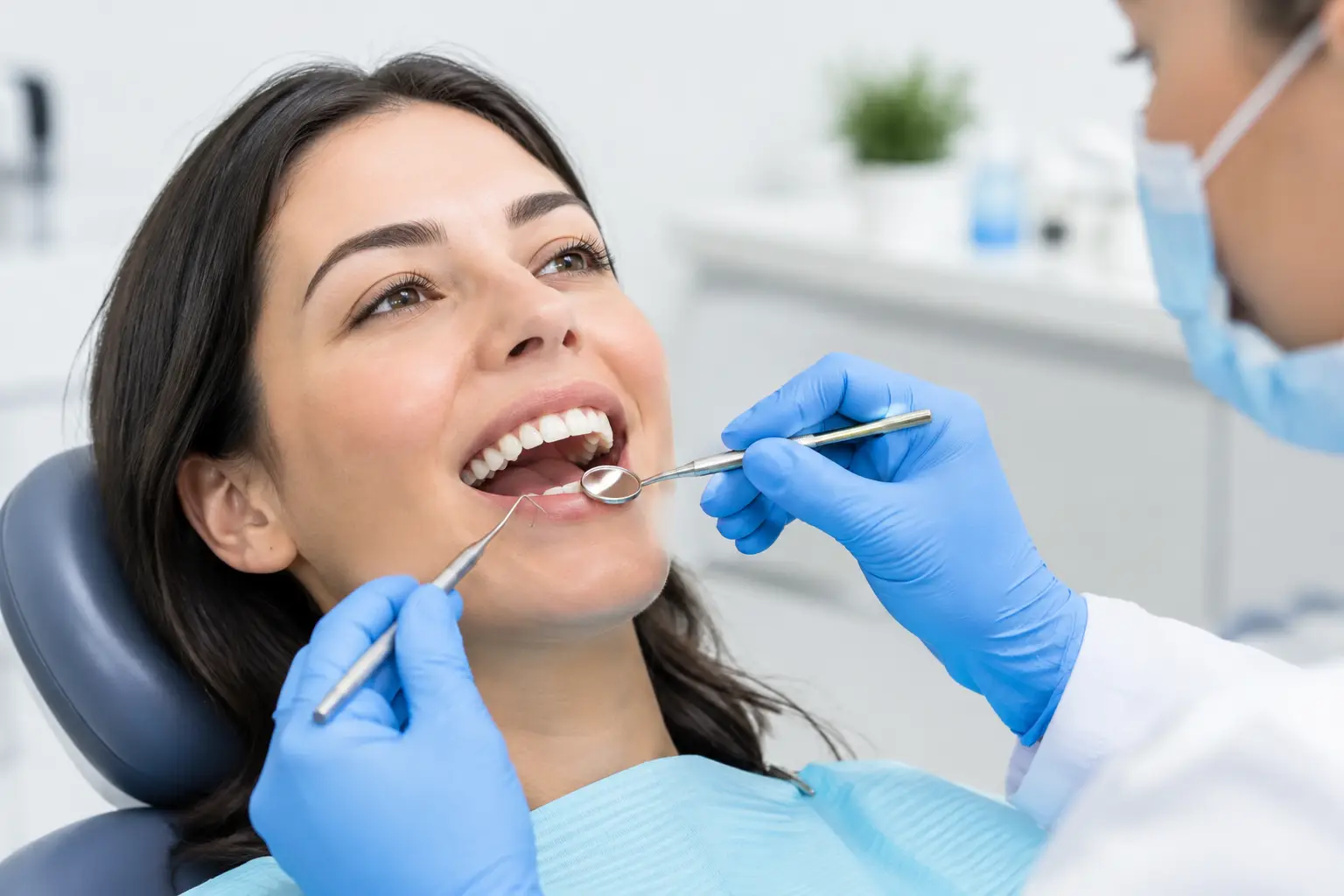
A dental cleaning is one of those appointments that can feel easy to postpone when life is full. Yet it is also one of the simplest ways to protect your smile, your comfort, and your budget over time. The visit is not just about leaving with smooth-feeling teeth. It gives your dental team a regular opportunity to remove harmful buildup, check for early changes, and help you stay ahead of problems that are much easier to treat in their earliest stages.
For families in Rancho Mission Viejo and South Orange County, routine care works best when it becomes part of the same rhythm as school calendars, work schedules, and annual checkups. A trusted dental home makes that routine feel more manageable – whether you are bringing in a child for a first visit, maintaining a healthy adult smile, or keeping an eye on gums around crowns, implants, or orthodontic treatment.
What Happens During a Dental Cleaning?
Your visit begins with a look at your current oral health. A hygienist and dentist may review changes in your medical history, medications, home care routine, tooth sensitivity, bleeding gums, or concerns about a particular tooth. These details matter. Dry mouth, pregnancy, diabetes, certain medications, smoking, and stress-related teeth grinding can all affect oral health and may change the care you need.
The cleaning itself usually focuses on removing plaque and tartar. Plaque is a soft, sticky film of bacteria that forms on teeth every day. Brushing and flossing remove much of it, but plaque can harden into tartar, also called calculus, especially along the gumline and between teeth. Once tartar forms, it cannot be brushed away at home.
Your hygienist uses professional instruments to gently remove this buildup, then polishes the tooth surfaces to lift surface stains and leave teeth feeling clean. Flossing may be included to clear away polishing paste and check areas between the teeth. Depending on your needs, your team may also recommend fluoride, discuss sensitivity, or offer personalized guidance for brushing and flossing more effectively at home.
A cleaning appointment also includes an oral health evaluation. Your dentist checks teeth, gums, bite, existing restorations, and areas that may need closer attention. Digital X-rays may be recommended when clinically appropriate to identify concerns that cannot be seen during a visual exam, such as decay between teeth, bone changes, or issues beneath an existing crown.
Why Professional Cleanings Matter
Even excellent brushing habits have limits. Toothbrush bristles do not fully reach every tight space, and hardened tartar needs professional removal. When plaque and tartar stay around the gums, the body responds with inflammation. You may notice redness, puffiness, tenderness, or bleeding when brushing and flossing.
In its early stage, gum inflammation is called gingivitis. It can often improve with consistent home care and professional cleanings. When infection progresses deeper below the gumline, however, it can develop into periodontal disease. This condition may contribute to gum recession, bone loss, loose teeth, and eventually tooth loss if left untreated.
Routine cleanings also help catch small cavities, worn fillings, cracked teeth, and early signs of grinding before they become painful or require more extensive treatment. A small area of decay may be manageable with a filling. Waiting until it reaches the tooth nerve can lead to a root canal and crown. Prevention is not about promising that problems will never happen. It is about giving yourself the best chance to address them promptly and conservatively.
How Often Should You Schedule a Dental Cleaning?
For many patients, every six months is a practical and effective schedule. It allows your dental team to monitor changes over time and remove buildup before it becomes more difficult to manage. Children often benefit from this schedule as well, particularly as permanent teeth come in and brushing skills are still developing.
Still, six months is not a rule that fits everyone. Patients with gum disease, a history of heavy tartar buildup, diabetes, dry mouth, tobacco use, or certain restorative needs may benefit from cleanings every three or four months. More frequent visits are not a sign that you have failed at home care. They are a personalized preventive plan based on how your mouth responds to bacteria and inflammation.
On the other hand, a patient with stable gums, low cavity risk, and consistently strong home habits may have a different schedule recommended by their dentist. The right interval depends on your health history, current gum measurements, X-rays, and risk factors – not simply on what worked for someone else.
Is a Routine Cleaning Different From Deep Cleaning?
Yes. A routine dental cleaning, sometimes called prophylaxis, is designed for patients with generally healthy gums or mild inflammation. It removes plaque and tartar above the gumline and in the shallow area just below it.
A deep cleaning, often called scaling and root planing, treats periodontal disease. It involves cleaning bacteria and tartar from deeper pockets beneath the gums and smoothing root surfaces so the gums can heal more effectively. Local anesthetic may be used to keep you comfortable, and treatment may be completed in more than one visit.
Hearing that you need a deep cleaning can be unsettling, but it is a common, evidence-based treatment intended to help protect the support around your teeth. Your dental team should explain why it is recommended, what the periodontal measurements mean, and what follow-up care will be needed.
What If You Feel Nervous About the Appointment?
Dental anxiety is common among children and adults alike. Some people worry about sensitivity, sounds, past experiences, or simply not knowing what will happen. Sharing that concern before your appointment gives the team a chance to slow down, explain each step, and make practical adjustments for your comfort.
If your teeth are sensitive, let your hygienist know. They can use a gentler approach, adjust water temperature, take breaks, and recommend products or treatments that may help. If your gums bleed during a cleaning, do not assume you have done something wrong. Bleeding is often a sign of inflammation and should improve as plaque is removed and daily home care becomes more consistent.
For young children, a calm introduction to dental visits can shape how they feel about oral healthcare for years. Bringing them in before a problem arises helps them learn that the dental office is a safe, familiar place. At Sendero Dental Studio, family-centered care means meeting each patient at their comfort level while keeping treatment clear, respectful, and focused on long-term health.
Keeping That Clean Feeling at Home
A professional cleaning gives you a fresh starting point, but daily habits protect the results. Brush twice a day with fluoride toothpaste, using a soft-bristled toothbrush and gentle pressure at the gumline. Clean between your teeth once daily with floss, interdental brushes, or another tool your dental team recommends. The best option is the one you can use consistently and correctly.
Limit frequent sipping or snacking on sugary drinks and foods, since repeated exposure gives cavity-causing bacteria more opportunities to produce acid. Water is a smart choice between meals, especially after coffee, sports drinks, or acidic foods. If you wear a nightguard, retainer, removable denture, or clear aligners, keep those appliances clean too. They can collect bacteria when they are not cared for properly.
Cosmetic concerns deserve attention as well. Cleanings can remove some surface stains from coffee, tea, and tobacco, but they do not change the natural shade of teeth or whiten internal discoloration. If you are considering whitening, veneers, or Invisalign, a cleaning and exam provide a healthy foundation for discussing your goals and choosing an option that fits your smile.
A routine cleaning is a small appointment with a long view: healthier gums, earlier answers, and a smile that is easier to care for every day. If it has been longer than you intended, there is no need for embarrassment. Schedule a visit, ask questions, and take the next comfortable step toward caring for your smile.