
How to Handle Dental Emergencies at Home
A toothache that wakes your child at midnight, a crown that comes loose during dinner, or a fall that knocks out a tooth can make anyone feel unprepared. Knowing how to handle dental emergencies can protect your comfort, prevent further damage, and give your dentist the best chance of saving a tooth.
The first rule is simple: stay calm, assess what happened, and contact a dental office promptly. Many dental problems need same-day attention, even when the pain seems manageable. If there is heavy bleeding, trouble breathing or swallowing, a suspected broken jaw, or a serious injury to the face or head, call 911 or go to the nearest emergency room first.
How to Handle Dental Emergencies Before Your Visit
Dental first aid is not a replacement for professional treatment. It is a short bridge between the moment something happens and the care your family needs. Avoid putting aspirin directly on a painful tooth or gums, as it can burn soft tissue. Do not use sharp tools to dig around a tooth, and do not ignore swelling just because it improves temporarily.
If possible, call your dental office while you are taking the first-aid steps below. Describe the injury, when it occurred, the level of pain, any swelling or bleeding, and whether a tooth or restoration has come out. This helps the team determine how quickly you should be seen and what to bring with you.
A knocked-out permanent tooth
A knocked-out adult tooth is one of the most time-sensitive dental emergencies. Quick action can sometimes make reimplantation possible, particularly when care is received within 30 to 60 minutes.
Find the tooth and pick it up only by the crown, which is the chewing portion. Do not touch the root. If it is dirty, gently rinse it with milk or a brief stream of clean water. Do not scrub it, use soap, or wrap it in tissue.
If the person is awake and able to do so safely, gently place the tooth back into the socket and have them bite down on clean gauze. If that is not possible, keep the tooth moist in milk or a tooth-preservation solution if one is available. An older child or adult may also hold it in the cheek pouch, but this is not safe for young children because of the choking risk. Get to a dentist immediately.
Do not try to place a baby tooth back into the socket. Replacing it could harm the developing permanent tooth underneath. Your dentist can assess the area and discuss whether a space-maintaining option is needed.
A chipped, cracked, or broken tooth
Rinse the mouth gently with warm water and save any pieces you can find. A cold compress on the outside of the cheek can ease swelling and discomfort. If a sharp edge is cutting the tongue or cheek, cover it temporarily with dental wax or sugar-free gum until you can be seen.
A small chip may not require urgent treatment, but a crack can be more serious than it looks. Pain when biting, sensitivity to temperature, visible fracture lines, or a tooth that feels loose all warrant prompt evaluation. Depending on the injury, treatment may range from smoothing a rough edge or placing bonding material to protecting the tooth with a crown or treating the nerve with root canal therapy.
Severe tooth pain or sensitivity
A persistent toothache is your body’s way of asking for attention. Rinse with warm salt water and gently floss around the tooth to remove trapped food. If the pain is caused by something lodged between teeth, this may provide relief. Do not force floss beneath the gums or use a sharp object.
An over-the-counter pain reliever may help when taken exactly as directed on the label, provided it is safe for you or your child. A cold compress may reduce discomfort on the outside of the face. Heat can worsen swelling in some situations, so it is usually best to avoid it unless your dentist advises otherwise.
Pain that is throbbing, worsening, associated with swelling, or accompanied by fever needs urgent dental attention. These signs can point to infection, decay that has reached the nerve, a cracked tooth, or another issue that will not resolve on its own.
A lost filling, crown, bridge, or veneer
When a restoration comes loose, save it and bring it to your appointment. Rinse it gently and keep the area clean. A lost crown can leave a tooth sensitive to air, pressure, and temperature, so avoid chewing on that side of your mouth.
Temporary dental cement from a pharmacy may help hold a crown in place for a short time, but only use it according to the product instructions and only if the crown fits easily. Never force a crown onto a tooth. Household glue is not safe for the mouth and can make proper repair more difficult.
A restoration that falls out is not always a same-minute emergency, but it should not wait for weeks. The exposed tooth can shift, break, or develop decay. Calling promptly gives your dental team the opportunity to protect it before a small repair becomes a larger one.
Bleeding gums, cuts, or a bitten lip
For a cut inside the mouth, use clean gauze or a clean cloth and apply steady, gentle pressure. A cold compress against the outside of the face can help control swelling. Minor mouth injuries often bleed more than expected because oral tissues have a rich blood supply.
If bleeding does not slow after 10 to 15 minutes of firm pressure, if the cut is deep or gaping, or if there may be glass, tooth fragments, or another object in the wound, seek urgent medical or dental care. Children should also be evaluated after a significant fall or blow to the mouth, even if their teeth appear intact at first.
Swelling, a gum abscess, or a pimple-like bump
Facial swelling or a bump on the gums can signal an infection. Rinse gently with warm salt water, use a cold compress on the cheek, and call your dentist as soon as possible. Do not squeeze, pop, or attempt to drain the bump yourself.
Dental infections need treatment at their source. Antibiotics may be appropriate in certain cases, but they do not replace treatment such as drainage, root canal therapy, or extraction when those services are needed. If swelling spreads toward the eye, jaw, or neck, or makes breathing or swallowing difficult, seek emergency medical care right away.
When It Can Wait and When It Cannot
Not every dental concern requires an emergency visit, but waiting is rarely the right choice when pain, infection, trauma, or a loose adult tooth is involved. A minor chip without pain may be scheduled soon. A lost filling may be manageable for a day or two with care. A knocked-out permanent tooth, facial swelling, uncontrolled bleeding, or severe pain should be treated as urgent.
The details matter. A tooth that is merely sensitive after biting something hard may settle, while pain that lingers after hot or cold foods may indicate deeper inflammation. This is why a quick conversation with an experienced dental team is useful: it replaces guesswork with guidance tailored to the situation.
Preventing the Next Emergency
Some accidents cannot be avoided, especially with active children and busy family schedules. Still, a few habits can lower the risk. Wear a properly fitted mouthguard for contact sports, avoid chewing ice and hard candy, and never use teeth to open packages. Regular exams also allow your dentist to spot worn fillings, cracked teeth, gum disease, and unstable crowns before they create an urgent problem.
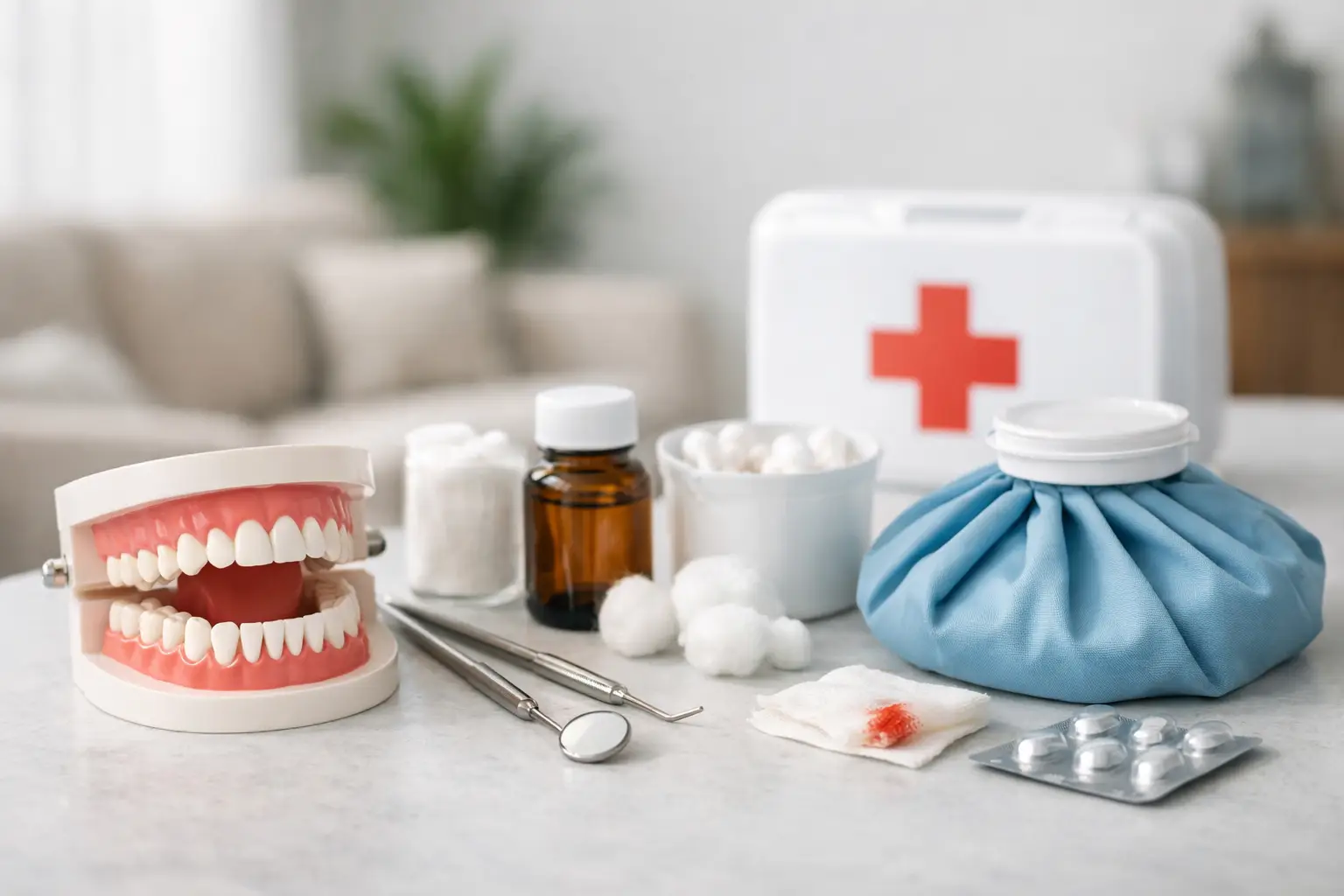
Keeping a small dental first-aid kit at home can also bring peace of mind. Include gauze, a cold pack, dental wax, clean containers, and your dentist’s contact information. For families with children, review the basics together so everyone knows to find an adult quickly after a mouth injury.
At Sendero Dental Studio, prompt, personal care is part of helping Rancho Mission Viejo families feel supported when the unexpected happens. When a dental emergency occurs, the most helpful next step is often the simplest: call early, protect the area, and let a trusted dental team help you move from worry to a clear plan for relief.