
How to Whiten Teeth Safely Without Damaging Enamel
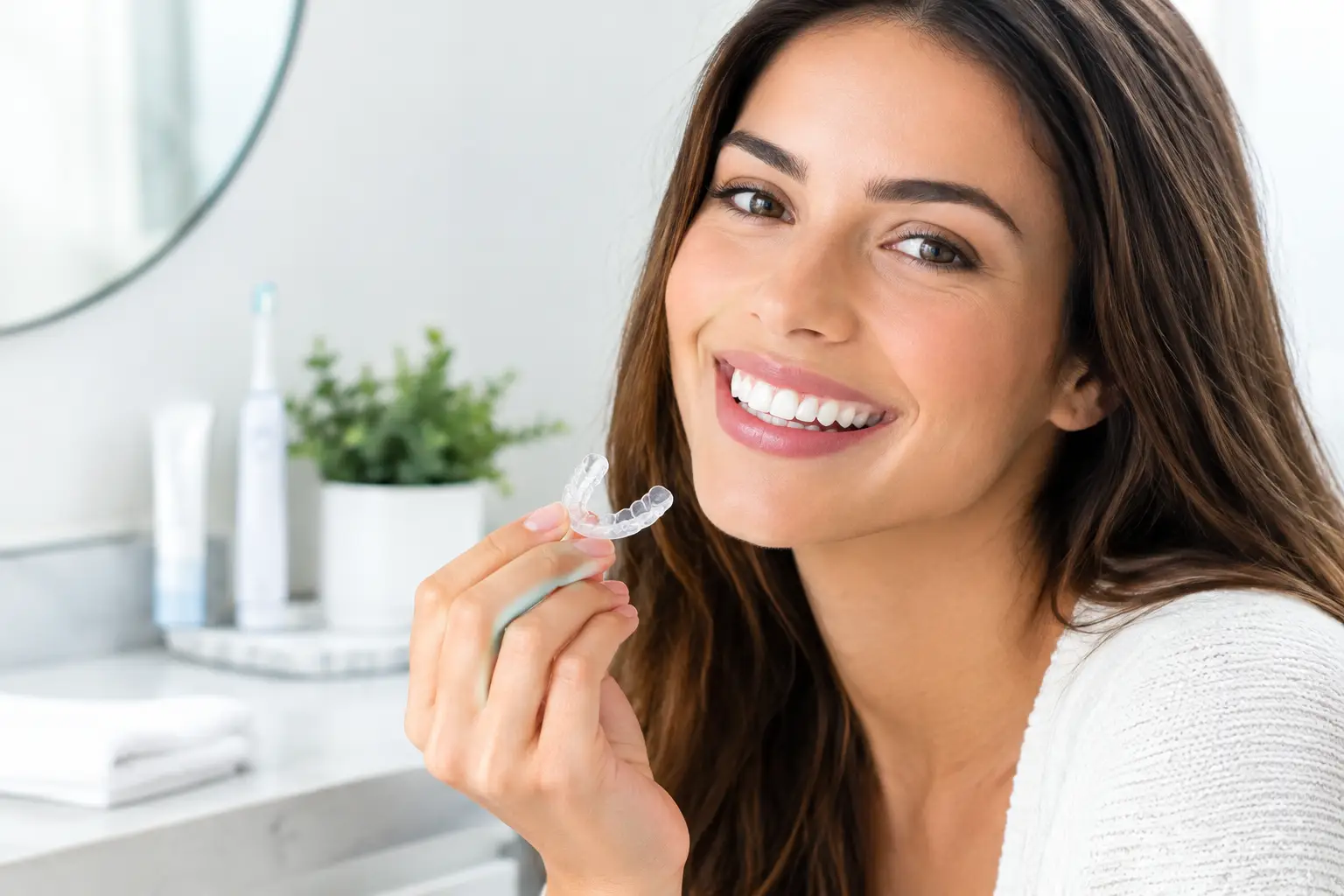
A brighter smile can make you feel more confident in family photos, at work, or before a special event. But learning how to whiten teeth safely matters far more than chasing the fastest result. The wrong product, too much whitening gel, or untreated dental problems can lead to sensitive teeth, irritated gums, and uneven color. A healthy, natural-looking result starts with protecting the smile you already have.
Start With a Healthy Foundation
Teeth whitening changes the color of natural tooth enamel. It does not remove tartar, repair decay, treat gum disease, or change the shade of crowns, veneers, fillings, or bonding. That is why a dental checkup and cleaning are often the best first step, especially if it has been a while since your last visit.
Surface stains from coffee, tea, red wine, tobacco, or deeply colored foods may improve noticeably after a professional cleaning. If discoloration remains, your dental team can help determine whether whitening is appropriate and which option fits your goals.
This evaluation is particularly valuable if you have tooth pain, bleeding gums, exposed roots, worn enamel, cavities, loose restorations, or a history of sensitivity. Whitening an unhealthy tooth will not solve the underlying issue, and it may make discomfort worse. Addressing oral health first helps keep cosmetic care comfortable and predictable.
Know What Teeth Whitening Can and Cannot Do
Most whitening products use peroxide-based ingredients to break down stains within the enamel. They can be very effective for yellow or brown staining that developed over time. Results vary, however, based on the cause of discoloration, the strength of the product, and the condition of your teeth.
Gray discoloration, staining caused by certain medications, and color changes inside a tooth after trauma may not respond as well to standard whitening. In some cases, a dentist may recommend a different cosmetic approach, such as bonding, a veneer, or treatment for the affected tooth.
It is also normal for teeth to whiten unevenly if you have visible dental work. A crown near the front of your smile, for example, will keep its current shade while nearby natural teeth become brighter. Planning ahead allows your dentist to discuss whether future replacement of older restorations may be needed to create a more consistent result.
How to Whiten Teeth Safely at Home
At-home whitening can be a good choice for adults with healthy teeth who want gradual improvement. The safest approach is to use products as directed, not as often as possible. More whitening gel or longer wear time does not necessarily mean whiter teeth. It often means more sensitivity.
Whitening strips, trays, and whitening toothpaste all work differently. Strips and peroxide gels can lighten the internal color of enamel, while whitening toothpaste primarily helps remove surface stains through gentle polishing ingredients. Whitening toothpaste may be useful for maintenance, but it usually will not create the dramatic change people expect from bleaching products.
When using an over-the-counter product, choose one with clear instructions and a reputable manufacturer. Follow the recommended schedule, keep the gel away from your gums, and stop if you develop persistent pain or irritation. Do not apply strips or gel over broken teeth, untreated cavities, or inflamed gum tissue.
Avoid home remedies that rely on acidic or abrasive ingredients. Lemon juice, vinegar, charcoal powders, and aggressive baking soda scrubs can wear away enamel or irritate soft tissue. Enamel does not grow back. Once it is thinned, teeth may look more yellow because the darker layer beneath it becomes more visible.
Why Professional Whitening Offers More Control
Professional whitening is often the right option for patients who want a more noticeable change, have a special occasion coming up, or have experienced sensitivity with store-bought products. Your dental team can examine your teeth, protect your gums, and recommend a treatment plan based on your current shade and oral health.
In-office whitening typically delivers faster results under professional supervision. Custom take-home trays are another effective option. Because trays are made to fit your teeth, they help place whitening gel where it belongs and reduce contact with the gums. They also make it easier to control how often you whiten and pause if sensitivity develops.
Neither option is automatically best for every patient. In-office treatment may suit someone looking for a quicker improvement, while custom trays may be more convenient for someone who prefers to whiten gradually at home. A conversation with your dentist can help you choose based on your timeline, budget, dental history, and desired result.
Protect Your Teeth From Sensitivity
Temporary sensitivity is one of the most common side effects of whitening. You may notice a short, sharp sensation when drinking something cold or breathing in cool air. For many people, this improves after treatment ends or after they take a brief break from whitening.
If your teeth tend to be sensitive, use a sensitivity toothpaste before and during your whitening plan. Your dentist may also suggest a lower-strength gel, shorter application times, or whitening every other day rather than daily. These adjustments can make a meaningful difference without giving up on your smile goals.
If discomfort is severe, lasts more than a couple of days, or occurs in one specific tooth, stop whitening and schedule an exam. A single painful tooth can signal decay, a crack, gum recession, or another issue that needs care rather than additional whitening.
Make Your Results Last With Everyday Habits
Whitening is not permanent, but thoughtful daily care can extend your results. Brush twice a day with fluoride toothpaste, clean between your teeth daily, and keep up with routine dental cleanings. These habits remove plaque and fresh surface stains before they have a chance to build up.
For the first day or two after whitening, it can help to limit deeply pigmented foods and drinks. Coffee, black tea, red wine, cola, tomato sauce, berries, and dark sauces can stain more easily when teeth have just been whitened. You do not have to avoid your favorite foods forever, but rinsing with water afterward and using a straw for cold drinks can reduce contact with the front teeth.
Tobacco use is one of the quickest ways to darken teeth again and can affect gum health, healing, and overall oral health. If quitting feels difficult, your dental team can still provide practical guidance for maintaining a cleaner, healthier smile.
When to Talk With a Dentist Before Whitening
Children and teens should not use whitening products without professional guidance. Pregnant or breastfeeding patients may prefer to postpone elective whitening. Anyone with active cavities, gum disease, significant sensitivity, exposed roots, or multiple visible restorations should also have a dental exam first.
A dentist can help you set realistic expectations. A safe whitening plan should enhance your natural smile, not leave you with pain, patchy color, or a shade that feels unnatural. At Sendero Dental Studio, we take the time to look at the full picture – your oral health, your comfort, and the kind of result that will feel like you.
Your smile does not need a harsh shortcut to look refreshed. If you are considering whitening or have questions about sensitivity, schedule a visit with a trusted dental team. A personalized plan can help you brighten your teeth comfortably while keeping your enamel and gums protected for the years ahead.