
Is Gum Disease Reversible? What Treatment Can Do
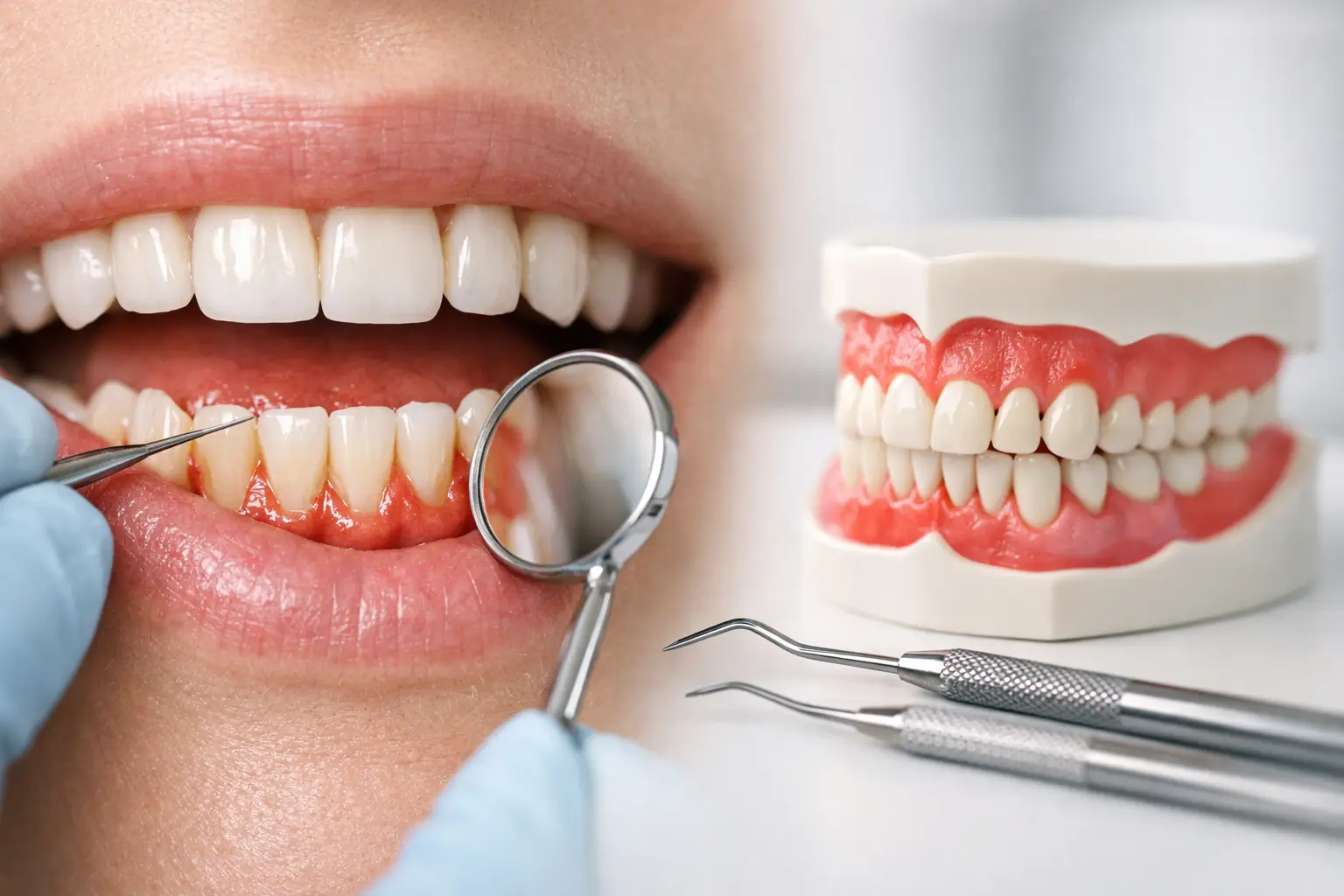
Bleeding when you brush should not become something you simply work around. It is often one of the earliest signs that your gums need attention. So, is gum disease reversible? The answer depends on its stage. Early gum disease can usually be reversed with consistent home care and professional cleanings. More advanced gum disease cannot be fully reversed, but it can often be treated and controlled to protect your teeth, gums, and overall comfort.
That distinction matters because gum disease can progress quietly. It may begin with mild bleeding or puffiness, then gradually affect the tissues and bone that hold your teeth in place. Prompt, personal care gives you the best opportunity to stop that process early.
Is Gum Disease Reversible in the Early Stage?
The earliest stage of gum disease is called gingivitis. Plaque, a sticky film of bacteria, collects along the gumline. If it is not thoroughly removed through brushing, flossing, and professional cleanings, it can irritate the gums. The result may be redness, swelling, tenderness, bleeding, or bad breath that does not seem to go away.
Gingivitis is reversible because it has not yet caused permanent damage to the bone or connective tissues supporting the teeth. Once plaque and hardened tartar are removed, the gums can heal. For many patients, that means a professional cleaning paired with a more consistent routine at home is enough to bring the gums back to health.
Healing is not instantaneous. Bleeding and inflammation may improve within days or weeks, depending on the amount of buildup, your home care habits, and factors such as smoking, diabetes, dry mouth, pregnancy, or certain medications. Your dental team can help you understand what is contributing to the problem and what changes will make the greatest difference.
When Gum Disease Has Progressed to Periodontitis
When gingivitis is left untreated, it can develop into periodontitis, commonly called periodontal disease. At this stage, bacteria and inflammation move below the gumline. The gums may pull away from the teeth, forming pockets where more bacteria can collect. Over time, the supporting bone can begin to break down.
Periodontitis is not reversible in the same way as gingivitis. Lost bone and gum attachment do not naturally grow back just because brushing improves. However, this does not mean treatment is futile or that tooth loss is inevitable. With timely periodontal care and regular maintenance, the disease can often be stabilized. The goal is to remove infection, reduce pocket depths where possible, slow or stop further breakdown, and help you keep your natural teeth for as long as possible.
In some situations, advanced periodontal procedures may help regenerate certain tissues or improve the shape of the gums and bone. Whether that is appropriate depends on the location and pattern of damage, your health history, and how your gums respond to initial treatment. A thorough examination and dental X-rays are needed to make that call.
Signs You Should Schedule a Gum Evaluation
Gum disease is not always painful, so waiting for discomfort can allow it to worsen. Schedule a visit if you notice gums that bleed when brushing or flossing, persistent bad breath, redness or swelling, gum recession, new sensitivity near the gumline, loose teeth, changes in how your bite feels, or spaces developing between teeth.
A little bleeding is still a reason to be seen. Healthy gums should not regularly bleed during gentle brushing or flossing. Sometimes bleeding comes from brushing too aggressively, but it is safest to let a dental professional identify the cause.
What Professional Gum Disease Treatment Looks Like
Treatment should match the stage of disease, not follow a one-size-fits-all approach. For gingivitis, a routine cleaning may remove plaque and tartar above the gumline and give your gums a fresh start. Your hygienist or dentist may also show you how to clean areas that are easy to miss, including along the back teeth and between crowded teeth.
For periodontitis, treatment often begins with scaling and root planing. This deep-cleaning procedure removes tartar and bacteria from below the gumline and smooths the tooth roots, making it harder for bacteria to reattach. Local anesthetic may be used to keep you comfortable during treatment.
After deep cleaning, your gums need time to heal. A follow-up visit allows the dental team to measure the pockets again, check for inflammation, and determine whether further treatment is needed. Some patients benefit from additional periodontal therapy or a referral for specialized care. Others respond well to deep cleaning followed by more frequent periodontal maintenance visits.
Those maintenance appointments are a key part of long-term success. Gum disease is often managed rather than cured once it reaches the periodontal stage. Visits may be recommended every three or four months instead of every six months, based on your individual needs. This ongoing care helps catch reinfection and inflammation before they cause more damage.
What You Can Do at Home to Help Your Gums Heal
Professional care removes hardened buildup that cannot be brushed away at home. Daily habits are what protect that progress between visits. Brush twice a day for two full minutes with a soft-bristled toothbrush and fluoride toothpaste. Angle the bristles gently toward the gumline rather than scrubbing hard, which can irritate gums and wear down tooth surfaces.
Clean between your teeth once a day. Traditional floss works well for many people, while interdental brushes, water flossers, or floss picks can be helpful alternatives for bridges, braces, implants, limited hand mobility, or larger spaces between teeth. The best option is one you can use carefully and consistently.
If your gums bleed when you begin flossing, do not stop completely unless your dentist tells you otherwise. Gentle daily cleaning often reduces bleeding as inflammation improves. Still, if the bleeding continues beyond a week or two, or is heavy, contact your dental office for guidance.
Your overall health also plays a role. Tobacco use makes gum disease more likely and can make treatment less predictable. Blood sugar that is not well controlled can increase inflammation and make healing harder. Stress, poor sleep, dry mouth, and a diet high in frequent sugary snacks can also affect your oral health. Small changes, paired with regular care, can have a meaningful impact.
Can Receding Gums Grow Back?
Gum recession is often associated with periodontal disease, though it can also result from aggressive brushing, tooth grinding, thin gum tissue, or the position of a tooth. Receded gums generally do not grow back on their own. The first priority is finding and treating the cause so the recession does not continue.
Depending on the situation, treatment may include changing brushing technique, using a nightguard for grinding, managing gum disease, or discussing gum grafting. A graft is not necessary for every patient with recession, but it can be valuable when recession is progressing, causing sensitivity, threatening tooth support, or affecting appearance.
Why Early Treatment Is the Best Trade-Off
Many people put off a visit because their gums do not hurt or they worry treatment will be uncomfortable. In practice, early care is usually simpler, less invasive, and less costly than treating advanced disease. A cleaning and improved home routine may be all that is needed for gingivitis. Waiting until teeth feel loose or gums have receded can mean more complex treatment and a greater risk to your natural smile.
At Sendero Dental Studio, we approach gum health with the same care we would want for our own neighbors and families. Your visit should include clear explanations, a comfortable experience, and a treatment plan based on what your gums need now, not on pressure or guesswork.
If you have noticed bleeding, swelling, bad breath, or changes in your gums, a dental exam is a practical next step. The sooner you know whether you are dealing with gingivitis or periodontitis, the sooner you can take steps to protect the smile you use every day.