
7 Signs You May Need Gum Disease Treatment
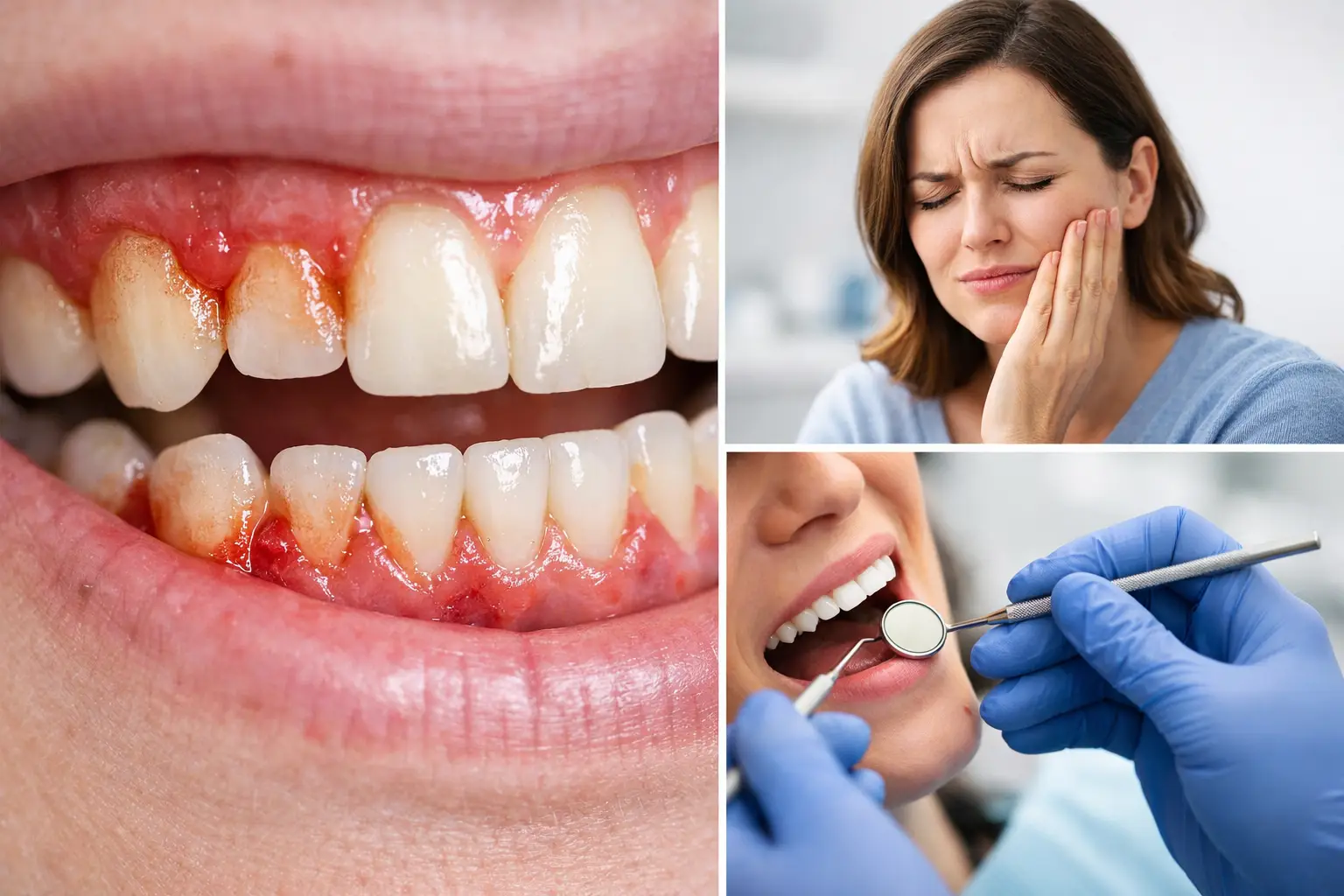
A little bleeding when you brush can be easy to dismiss, especially when life is busy. But bleeding, tenderness, or a change in how your gums look can be early signs you may need gum disease treatment. Gum disease often develops quietly, and addressing it early can help protect the teeth and bone that support your smile.
At Sendero Dental Studio, we believe patients deserve clear answers without judgment. Whether you have missed a few cleanings, have noticed a new symptom, or simply want reassurance that your gums are healthy, a thorough dental evaluation can give you a practical path forward.
What gum disease can do over time
Gum disease is an infection and inflammation of the tissues around your teeth. It begins when plaque, a sticky bacterial film, remains along and below the gumline. If it is not thoroughly removed, it can harden into tartar, which cannot be brushed away at home.
In its earliest stage, gum disease is called gingivitis. Gums may be red, puffy, or prone to bleeding, but the bone supporting the teeth has not yet been damaged. With professional care and consistent home hygiene, gingivitis can often be reversed.
When the condition progresses to periodontitis, the gums can pull away from the teeth and form deeper spaces called pockets. Bacteria can collect in these areas, leading to bone loss and eventually tooth mobility or tooth loss. This is why symptoms that seem minor are worth bringing to your dentist’s attention.
7 signs you may need gum disease treatment
1. Your gums bleed when you brush or floss
Healthy gums should not regularly bleed during gentle brushing or flossing. A single spot of bleeding after flossing for the first time in months may be related to irritation, but bleeding that continues is commonly linked to gum inflammation.
Do not stop flossing because you see blood. Instead, use a gentle technique and arrange a visit if bleeding persists for more than a week or two. Your dental team can check whether plaque, tartar buildup, a rough restoration, or gum disease is contributing to the problem.
2. Your gums look red, swollen, or feel sore
Gums are usually firm and a light pink color, though natural gum color varies from person to person. Inflamed gums may appear darker red, feel tender, or look swollen around the teeth. You may notice discomfort when eating crunchy foods or brushing near the gumline.
Tenderness does not always mean advanced disease. It can also occur from aggressive brushing, a mouth sore, or food caught between teeth. Still, if the soreness keeps returning or affects several areas of your mouth, it deserves a professional exam.
3. Bad breath does not improve with brushing
Morning breath is normal. Persistent bad breath or an unpleasant taste that returns soon after brushing may point to bacteria below the gumline. These bacteria can produce odor-causing compounds that mouthwash may temporarily cover without resolving the source.
Dry mouth, certain foods, sinus concerns, and other health issues can also affect breath, so this symptom alone does not confirm gum disease. When it occurs alongside bleeding or swollen gums, however, it is a good reason to schedule a periodontal evaluation.
4. Your gums are pulling away from your teeth
If your teeth seem longer than they used to, your gums may be receding. Recession can expose part of the tooth root, creating a more uneven gumline and making teeth sensitive to cold drinks, sweets, or brushing.
Gum disease is one possible cause of recession, but not the only one. Brushing too hard, clenching or grinding, genetics, tobacco use, and tooth position can all play a role. The right treatment depends on the cause, which is why an individualized exam matters.
5. You have new tooth sensitivity
Sensitivity is often associated with enamel wear, cavities, or a cracked tooth. Yet exposed roots from gum recession can create sensitivity as well. Root surfaces are softer than enamel and can react more quickly to hot, cold, sweet, or acidic foods.
If sensitivity seems to be getting worse, do not simply switch toothpaste and hope for the best. A dentist can identify whether the concern is related to gum health, tooth decay, grinding, or another issue that needs attention.
6. Your teeth feel loose or your bite feels different
Adult teeth should feel stable. A tooth that feels loose, shifts position, or meets its opposing tooth differently when you bite can be a warning sign of more advanced periodontal disease. Bone loss around the roots may reduce the support that keeps teeth secure.
This symptom should be evaluated promptly. A loose tooth can also result from injury, grinding, an infection, or a problem with a dental restoration. Early care may help preserve the tooth and prevent further damage.
7. You notice pus, a pimple-like bump, or pain near the gums
Pus, swelling in one spot, or a bump on the gums can signal an active infection. Some infections cause sharp pain, while others produce little discomfort because they drain through the gum tissue. Neither situation should be ignored.
Contact a dental office as soon as possible if you notice facial swelling, fever, difficulty swallowing, or trouble breathing. Those symptoms may require urgent medical attention. For localized gum swelling or drainage, a prompt dental visit is the safest next step.
Why gum disease can be easy to miss
One of the most frustrating aspects of periodontal disease is that it is not always painful. Many people feel fine while inflammation and bone loss continue below the gumline. Regular checkups allow your dentist to measure gum pockets, assess bleeding, review dental X-rays when needed, and identify changes before they become more difficult to manage.
Some people are at higher risk, including those who use tobacco, have diabetes, experience dry mouth, take certain medications, or have a family history of gum disease. Pregnancy-related hormonal changes can also make gums more reactive. Risk factors do not guarantee gum disease, but they may mean you benefit from closer monitoring and more frequent cleanings.
What gum disease treatment may involve
Treatment is not one-size-fits-all. For mild gingivitis, a professional cleaning paired with careful brushing twice daily and daily cleaning between the teeth may be enough to restore healthier gums. Your hygienist can also help you adjust your technique and recommend tools that fit comfortably into your routine.
For periodontitis, treatment often begins with scaling and root planing, sometimes called a deep cleaning. This procedure removes bacterial deposits from below the gumline and smooths root surfaces so gums can heal more effectively. Local anesthetic can be used to help keep you comfortable.
After treatment, periodontal maintenance visits may be recommended more often than standard cleanings. In more complex cases, additional periodontal therapy or a referral to a gum specialist may be appropriate. The goal is not just to treat an infection once, but to create a long-term plan that protects your teeth and supports your overall health.
When to schedule an appointment
Schedule a dental visit if bleeding, swelling, bad breath, recession, or sensitivity continues despite consistent home care. Make an appointment sooner if you notice loose teeth, drainage, significant pain, or a change in your bite. A dental exam can separate a minor irritation from a concern that needs treatment, saving you from guesswork.
Caring for your gums is a meaningful investment in your comfort, confidence, and ability to keep your natural teeth. If something feels different, trust that observation and let a caring dental team help you take the next step.