
Sleep Apnea and Dental Health: What You Need to Know
Table of Contents
- How Sleep Apnea Affects Your Teeth and Gums
- Signs of Sleep Apnea in the Mouth
- The Bruxism and Sleep Apnea Connection
- Oral Appliance Therapy for Sleep Apnea
- How Your Dentist Can Help Screen for Sleep Apnea
- Protecting Your Oral Health When You Have Sleep Apnea
- Frequently Asked Questions
Last Updated: August 22, 2026
How Sleep Apnea Affects Your Teeth and Gums
Sleep apnea and dental health are deeply interconnected in ways many people don’t realize until problems emerge. When sleep apnea disrupts your breathing during sleep, it triggers a cascade of oral health complications that extend far beyond snoring. At Sendero Dental Studio, we understand how untreated sleep-disordered breathing creates conditions that accelerate tooth decay, gum disease, and structural damage to the mouth.
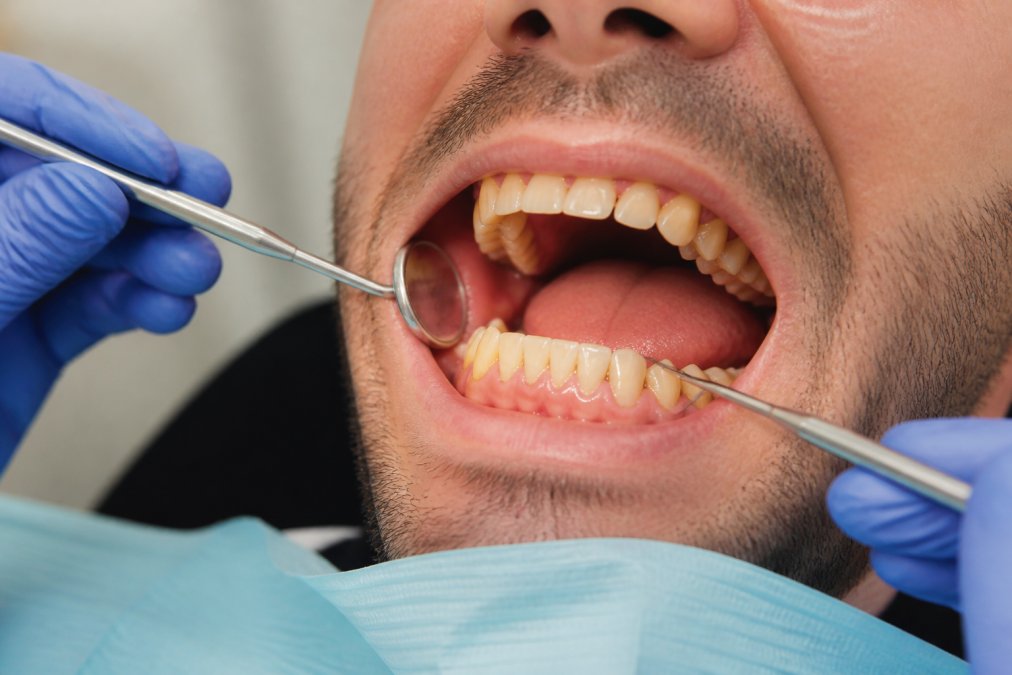
Obstructive sleep apnea occurs when the airway collapses repeatedly during sleep, forcing your body to compensate by shifting to mouth breathing. This fundamental change in how you breathe overnight has profound effects on your oral environment. Saliva production drops significantly during these episodes, your mouth becomes dry, creating ideal conditions for bacterial growth. Without adequate saliva, your teeth lose their natural defense against decay. The acidic environment that develops allows harmful bacteria to flourish, attacking enamel and soft tissue simultaneously.
The connection between sleep apnea and periodontal disease is particularly troubling. Your gums become inflamed and vulnerable when xerostomia (dry mouth) persists night after night. Gingivitis develops more easily, and existing gum disease progresses faster. Many patients discover they have advanced periodontal disease only after seeking treatment for unrelated dental issues, by which point significant damage has already occurred.
Breathing pattern changes also alter the pressure dynamics in your mouth. The constant struggle for air can cause tissue inflammation and create an environment where harmful bacteria thrive unchecked. Your immune system, already stressed by repeated oxygen desaturation events, cannot mount an effective defense against oral infections.
Signs of Sleep Apnea in the Mouth
The mouth often displays warning signs of sleep apnea long before a formal diagnosis occurs. Understanding these dental indicators can prompt earlier intervention and prevent costly damage.
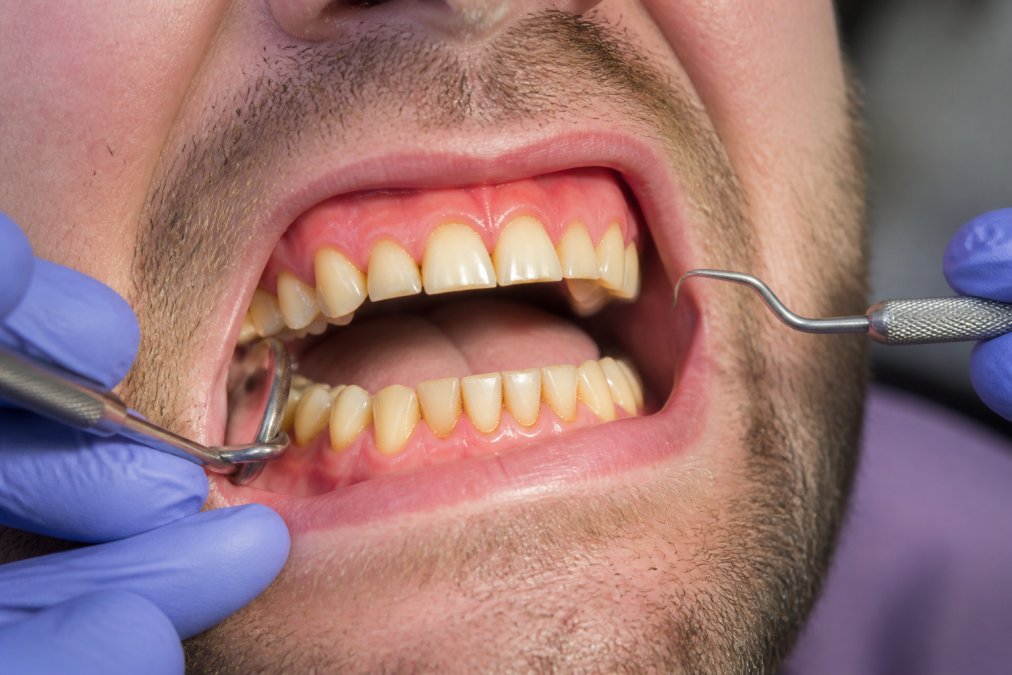
Bruxism (teeth grinding) represents one of the most visible markers. When your airway narrows, your jaw clenches involuntarily as your body attempts to open the airway. This grinding occurs hundreds of times per night, wearing down tooth enamel unevenly. Patients often wake with jaw pain or notice flattened surfaces on their molars. The grinding isn’t a separate condition, it’s your body’s automatic response to breathing obstruction.
Enamel erosion appears as smooth, shiny surfaces on teeth where the protective outer layer has worn away. Unlike cavities, which create pits, erosion from bruxism creates flat worn spots. Your dentist can distinguish this pattern immediately, it’s a signature sign of sleep-disordered breathing combined with acidic conditions from dry mouth.
Gum recession develops when tissues recede from repeated grinding forces and dry mouth conditions. Your gum line pulls back, exposing root surfaces that decay rapidly without enamel protection. This recession is often irreversible without advanced periodontal treatment.
Malocclusion or jaw misalignment can develop or worsen over time. The constant grinding and clenching stresses your temporomandibular joint and shifts tooth positions. Some patients notice their bite feels different or that certain teeth contact differently than before.
Mouth breathing evidence shows as dry, cracked lips and a narrow palate. Patients with long-standing sleep apnea often have a high-arched palate and crowded teeth, anatomical changes that reflect years of abnormal breathing patterns.
Dry mouth (xerostomia) is perhaps the most common sign. Your mouth feels perpetually parched despite drinking water. This dryness accelerates tooth decay dramatically because saliva’s antimicrobial and buffering properties are absent.
The Bruxism and Sleep Apnea Connection
The relationship between bruxism and sleep apnea is direct and mechanical. Your body doesn’t grind your teeth because of stress alone, it grinds them because your airway is collapsing and your nervous system is fighting to restore breathing.
When obstructive sleep apnea causes an airway collapse, oxygen levels drop. Your brain triggers an arousal response, and your jaw clenches powerfully. This clenching is a survival reflex, not a habit. The grinding motion that follows is your body’s attempt to reposition the jaw and open the airway. This happens dozens or hundreds of times each night, creating forces that no tooth structure can withstand indefinitely.
The damage accumulates relentlessly. Tooth enamel flattens. Fillings crack under the pressure. Crowns loosen. Root surfaces become exposed as gum tissue recedes. The temporomandibular joint suffers inflammation and wear. Many patients report waking with severe jaw pain or locked jaw positions, direct consequences of nighttime grinding forces.
What makes this connection particularly important is that treating sleep apnea often reduces bruxism significantly. Patients using oral appliance therapy or CPAP machines report less grinding within weeks. This demonstrates that the grinding is a symptom of the underlying airway problem, not an independent condition requiring separate treatment.
Oral Appliance Therapy for Sleep Apnea
Oral appliance therapy represents a practical dental solution for mild to moderate obstructive sleep apnea. These custom-fitted devices work by repositioning your lower jaw forward, which opens your airway and prevents collapse during sleep.
Your dentist creates a mandibular advancement device tailored precisely to your anatomy. Unlike generic over-the-counter devices, a custom appliance maintains consistent positioning and distributes forces evenly across your teeth and jaw. The device holds your jaw in a slightly forward position, typically 2-8 millimeters, that keeps your airway patent throughout the night (aadsm.org).
The advantages of oral appliance therapy include portability, ease of use, and reduced equipment compared to CPAP machines. Many patients tolerate these devices better than continuous positive airway pressure systems. You can travel with them, they’re quiet, and they don’t require electricity or tubing.
However, oral appliance therapy works best for specific cases. Your sleep medicine physician and dentist must work together to determine if you’re a candidate. Severe obstructive sleep apnea may require CPAP therapy instead. Patients with certain anatomical features, severe jaw recession or very limited jaw mobility, may not tolerate these devices well.
Long-Term Oral Effects and Monitoring
What many patients don’t realize is that nightly mandibular advancement creates measurable changes in tooth position and bite alignment over months and years. The forward pressure on your lower jaw can cause gradual anterior tooth movement, shifting your bite. Some patients report that their lower front teeth feel slightly more prominent after 12-24 months of consistent device use. Your dentist must monitor these changes through regular clinical examination and, when necessary, bite registration records to track whether your bite is shifting.
Gum tissue responds to the device pressure as well. The areas where the appliance contacts your gums may experience mild inflammation or hyperplasia (tissue overgrowth) if the device isn’t cleaned properly or if it applies uneven pressure. Daily cleaning of your oral appliance with a soft toothbrush and mild soap prevents bacterial biofilm accumulation that irritates gum tissue. Some patients benefit from antimicrobial soaks recommended by their dentist.
Tooth mobility can increase slightly in patients using oral appliances long-term, particularly if they have underlying periodontal disease. The forward-pulling force on your teeth, combined with any grinding that persists despite airway improvement, stresses the periodontal ligament. This is why patients with existing gum disease require more frequent dental monitoring, typically every 3-4 months rather than the standard 6-month interval, to catch early signs of bone loss or increased tooth mobility.
Device adjustment is not a one-time event. Your dentist will likely need to modify the appliance periodically as your teeth respond to the forward positioning. Some adjustments are minor (thickness changes to reduce pressure points), while others may involve repositioning the device’s contact surfaces. Patients should expect 2-4 adjustment appointments in the first year, then annual or semi-annual fine-tuning thereafter.
The device itself requires inspection for wear and damage. Acrylic can crack under grinding forces, and metal components can loosen. A cracked appliance may apply uneven pressure and cause localized gum irritation or accelerated tooth movement in one area. Replace or repair your device promptly if you notice cracks, loose components, or changes in how it fits.
Despite these considerations, oral appliance therapy remains highly effective for appropriate candidates. The key to minimizing long-term oral complications is consistent communication between your dentist and sleep medicine provider, regular monitoring appointments, and meticulous device hygiene. When managed properly, the benefits to your airway and overall sleep quality far outweigh the modest dental adjustments required.
How Your Dentist Can Help Screen for Sleep Apnea
Your dentist occupies a unique position to identify sleep apnea before formal diagnosis. Dentists see the oral consequences directly, the grinding wear, the dry mouth, the gum disease pattern, and can recognize these as potential indicators of sleep-disordered breathing.
A thorough dental screening for sleep apnea includes several components. Your dentist examines your palate shape, notes any narrowing of your airway space, and assesses your tongue size and position. These anatomical features correlate with sleep apnea risk. The examination also documents any existing bruxism damage, enamel erosion patterns, or gum recession that might suggest nighttime breathing disruption.
Screening questionnaires help identify symptoms you might not have connected to sleep issues. Questions about daytime sleepiness, witnessed apneas, morning headaches, and gasping awake during sleep provide critical information. Your dentist may ask about your sleep quality and whether you wake feeling rested.
When your dentist suspects sleep apnea, the next step is referral to a sleep medicine physician. Your dentist cannot diagnose sleep apnea, that requires polysomnography (sleep study) or home sleep testing. But your dentist can identify the warning signs and recommend evaluation. This early identification often leads to diagnosis and treatment before serious health consequences develop.
Some dental practices, including Sendero Dental Studio, take a proactive approach by educating patients about the sleep apnea-dental health connection. We screen for risk factors and maintain detailed records of any oral changes that might indicate developing sleep-disordered breathing. This comprehensive approach ensures patients receive appropriate referrals and don’t delay diagnosis.
Protecting Your Oral Health When You Have Sleep Apnea
Treating the underlying sleep apnea is your foundation. Whether you use oral appliance therapy, CPAP, or other interventions, consistent treatment reduces the severity of oral complications. By restoring normal breathing patterns and reducing dry mouth, you eliminate the primary driver of accelerated tooth decay and gum disease.
Adult Oral Health Maintenance
Aggressive oral hygiene becomes essential. Brush twice daily with a fluoride toothpaste, and use a soft-bristled brush to avoid further gum recession. Floss daily, this becomes even more critical because your gums are more vulnerable to infection. Consider adding an antimicrobial rinse to your routine; your dentist can recommend products suited to your specific needs.
Address dry mouth directly. Use sugar-free lozenges or gum to stimulate saliva production during the day. Drink water consistently. Ask your dentist about saliva substitutes or prescription mouth rinses that provide additional protection. Some patients benefit from xylitol-based products, which actively inhibit bacterial growth.
Protect your teeth from grinding. If you continue experiencing bruxism despite sleep apnea treatment, a custom night guard distributes grinding forces and prevents further enamel wear. This is different from an oral appliance; it’s purely protective. Your dentist creates a guard fitted precisely to your teeth.
Attend regular dental appointments. Patients with sleep apnea should see their dentist every three to four months rather than the standard six-month interval (aadsm.org). More frequent professional cleanings remove bacteria your compromised saliva can’t control. Early detection of new decay or gum disease allows intervention before damage becomes severe.
Monitor your oral appliance carefully. If you use a mandibular advancement device, inspect it regularly for cracks or wear. Clean it according to your dentist’s instructions. Report any discomfort or changes in how it fits; these adjustments prevent complications and ensure continued effectiveness.
Pediatric Sleep Apnea and Dental Development
Children with undiagnosed or untreated sleep apnea face unique oral health challenges because their teeth and jaws are still developing. Sleep-disordered breathing in childhood disrupts normal craniofacial growth patterns, potentially causing permanent changes to bite alignment and jaw structure.
Mouth breathing during critical developmental years (ages 6-12) narrows the palate and can contribute to crowded teeth. The constant negative pressure from airway obstruction pulls the tongue downward and backward, restricting space for tooth eruption. Children with sleep apnea often develop a high-arched palate, cross-bite, or anterior open bite, conditions that may require orthodontic correction later. Early identification and treatment of sleep apnea can prevent or minimize these structural changes.
Parents should watch for signs of sleep apnea in children: witnessed breathing pauses during sleep, chronic mouth breathing, daytime sleepiness, behavioral problems at school, or failure to thrive. Dental professionals can identify risk factors during routine exams, narrow airways, enlarged tonsils or adenoids, or a high palate, and recommend sleep medicine evaluation.
Treatment in children often differs from adults. Adenotonsillectomy (surgical removal of enlarged adenoids and tonsils) resolves sleep apnea in many children and allows normal breathing patterns to resume during the critical growth window. When surgery isn’t appropriate, early orthodontic intervention, sometimes called airway-focused orthodontics, can expand the palate and create more space for the tongue and airway. Palatal expanders, used in children whose jaws are still malleable, widen the upper jaw and improve airway dimensions (aapd.org). This preventive approach addresses the root cause rather than just managing symptoms.
Children using oral appliances require even more frequent dental monitoring than adults because their jaws are growing. The forward positioning of the mandible must be adjusted as the child’s skeleton develops. Orthodontic coordination ensures that appliance therapy supports, rather than interferes with, normal growth.
Systemic Health Awareness
Sleep apnea affects your entire body, not just your mouth. Untreated sleep-disordered breathing contributes to cardiovascular disease, diabetes complications, and metabolic dysfunction. These systemic conditions themselves accelerate oral disease. Managing your sleep apnea comprehensively protects your teeth and overall health simultaneously. In children, early treatment prevents not only dental complications but also supports normal cognitive development, school performance, and cardiovascular health during formative years.
=== FAQ ANSWERS (audit these too, same rules) ===
[1] Q: Can dentists tell if you have sleep apnea?
A: Dentists can identify signs that suggest sleep apnea, such as teeth grinding wear, jaw clenching marks, enlarged soft tissue in the throat, or mouth breathing patterns. However, a dentist cannot diagnose sleep apnea, that requires a sleep specialist and typically a polysomnography test. If your dentist notices these warning signs, they’ll recommend you consult a sleep medicine physician for proper evaluation and diagnosis.
[2] Q: How does bruxism relate to sleep apnea?
A: Bruxism (teeth grinding) and sleep apnea are closely linked. During respiratory pauses caused by obstructive sleep apnea, your body responds to airway obstruction by triggering jaw clenching and grinding. This grinding can damage tooth enamel, cause enamel erosion, and lead to jaw pain and temporomandibular joint (TMJ) problems. Addressing sleep apnea often helps reduce bruxism severity.
[3] Q: What oral appliance therapy options exist for sleep apnea?
A: Oral appliance therapy uses custom-fitted devices (mandibular advancement devices) that reposition your lower jaw and tongue to keep your airway open during sleep. These are an alternative to CPAP machines for mild to moderate obstructive sleep apnea. Your dentist can work with a sleep specialist to fit and adjust these devices, monitoring your response and adjusting as needed for comfort and effectiveness.
[4] Q: What should I do if I have sleep apnea and dry mouth?
A: Dry mouth (xerostomia) worsens tooth decay risk and gum disease in sleep apnea patients. Increase water intake, use sugar-free lozenges or gum to stimulate saliva, and ask your dentist about saliva substitutes. More frequent dental cleanings and fluoride treatments can help protect your enamel. If you use a CPAP machine, ensure proper humidification to reduce mouth drying. Discuss with both your sleep specialist and dentist to address the underlying causes.
Frequently Asked Questions
Can dentists tell if you have sleep apnea?
Dentists can identify signs that suggest sleep apnea, such as teeth grinding wear, jaw clenching marks, enlarged soft tissue in the throat, or mouth breathing patterns. However, a dentist cannot diagnose sleep apnea, that requires a sleep specialist and typically a polysomnography test. If your dentist notices these warning signs, they’ll recommend you consult a sleep medicine physician for proper evaluation and diagnosis.
How does bruxism relate to sleep apnea?
Bruxism (teeth grinding) and sleep apnea are closely linked. During respiratory pauses caused by obstructive sleep apnea, your body responds to airway obstruction by triggering jaw clenching and grinding. This grinding can damage tooth enamel, cause enamel erosion, and lead to jaw pain and temporomandibular joint (TMJ) problems. Addressing sleep apnea often helps reduce bruxism severity.
What oral appliance therapy options exist for sleep apnea?
Oral appliance therapy uses custom-fitted devices (mandibular advancement devices) that reposition your lower jaw and tongue to keep your airway open during sleep. These are an alternative to CPAP machines for mild to moderate obstructive sleep apnea. Your dentist can work with a sleep specialist to fit and adjust these devices, monitoring your response and adjusting as needed for comfort and effectiveness.
What should I do if I have sleep apnea and dry mouth?
Dry mouth (xerostomia) worsens tooth decay risk and gum disease in sleep apnea patients. Increase water intake, use sugar-free lozenges or gum to stimulate saliva, and ask your dentist about saliva substitutes. More frequent dental cleanings and fluoride treatments can help protect your enamel. If you use a CPAP machine, ensure proper humidification to reduce mouth drying. Discuss with both your sleep specialist and dentist to address the underlying causes.
This article was written using GrandRanker