
When Do You Need a Tooth Extraction for Oral Health?
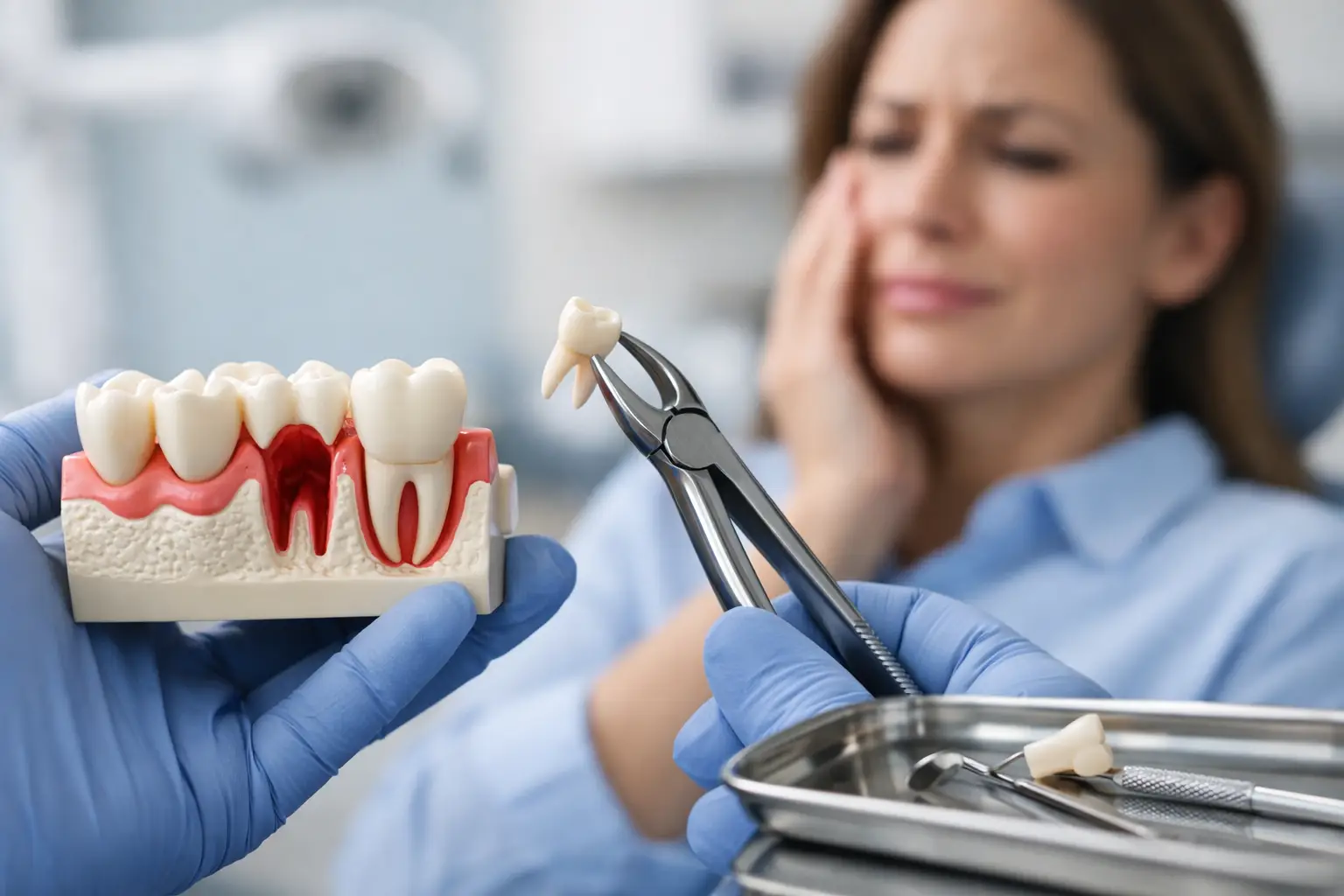
A cracked tooth that suddenly hurts when you chew, a swelling that will not settle down, or a wisdom tooth that keeps flaring up can make one question feel urgent: when do you need a tooth extraction? The answer is not simply “when a tooth hurts.” At a thoughtful dental visit, the goal is usually to preserve your natural tooth whenever it can be predictably treated. Extraction becomes the right choice when keeping it would put your comfort, oral health, or neighboring teeth at risk.
Modern imaging, careful exams, and a clear discussion of your options help make that decision less overwhelming. Whether the concern is an emergency, long-standing dental damage, or a child’s developing smile, your treatment should be tailored to the health of your mouth and your long-term goals.
When Do You Need a Tooth Extraction?
A tooth may need to be removed when it cannot be repaired reliably or when it is causing damage that outweighs the benefit of keeping it. Pain alone does not determine the answer. Some painful teeth can be treated with a filling, crown, root canal, or gum treatment. Other teeth may not hurt much at all but still have a serious infection or structural problem.
Severe decay beyond repair
A cavity can often be restored with a filling or crown. However, decay can sometimes destroy so much of the tooth that there is not enough healthy structure left to support a restoration. If decay extends deep below the gumline or leaves the tooth too weak to rebuild, an extraction may be the most dependable solution.
This is one reason routine cleanings and exams matter. Early decay is usually much simpler to treat than a tooth that has been weakened over years.
Advanced infection or a failed root canal
When bacteria reach the inner pulp of a tooth, they can cause severe sensitivity, spontaneous pain, swelling, or an abscess. Root canal therapy is often an excellent way to remove the infection while keeping the tooth in place. In many cases, a crown then protects the treated tooth for years to come.
Extraction may be recommended if the infection cannot be controlled, the tooth has too little remaining structure, or a previous root canal has failed and retreatment is unlikely to succeed. An untreated dental infection is not something to wait out. Facial swelling, fever, difficulty swallowing, or trouble breathing require urgent medical attention.
A tooth that is cracked below the gumline
Small cracks do not always mean a tooth must come out. A crown may protect a cracked tooth, and a root canal can help when a crack has reached the pulp. The concern is a vertical root fracture or a crack that extends too far below the gumline. These fractures can allow bacteria into the root and surrounding bone, often making a long-term repair unrealistic.
Your dentist will consider the location and depth of the crack, not just whether the tooth is painful on a particular day.
Severe gum disease and tooth mobility
Periodontal disease affects the gums and bone that hold teeth in place. In its earlier stages, professional cleanings, periodontal treatment, and consistent home care can stabilize the condition. But when bone loss becomes extensive, a tooth may become loose, uncomfortable, or difficult to keep clean.
Removing a severely compromised tooth can sometimes protect the surrounding tissues and make room for a healthier restorative plan. This does not mean every loose tooth needs extraction. The amount of bone support, the condition of nearby teeth, and your ability to maintain periodontal health all matter.
Impacted or problematic wisdom teeth
Wisdom teeth are often removed because they do not have enough room to erupt normally. They may remain trapped under the gums, push against the tooth in front of them, develop decay in a hard-to-reach area, or cause repeated gum infections.
Not every wisdom tooth needs to be removed. A fully erupted wisdom tooth that is healthy, functional, and easy to clean may be monitored. Removal is more commonly advised when there are repeated symptoms, damage to another tooth, cyst concerns, or a clear risk that the tooth will create future problems.
Other Reasons an Extraction May Be Part of Treatment
There are situations where extraction is planned rather than prompted by an emergency. For example, orthodontic treatment may occasionally require removal of one or more teeth to create appropriate space and improve alignment. This decision is made carefully, with attention to the bite, facial balance, and the stability of the final result.
A retained baby tooth may also need removal if it is blocking an adult tooth from erupting properly. For children, the timing matters. Baby teeth help guide permanent teeth into place, so they should not be removed without a clear reason and an appropriate plan for space maintenance when needed.
Sometimes a badly damaged tooth is removed as the first step toward replacing it with a dental implant, bridge, or denture. If replacement is part of the plan, your dentist may discuss preserving the bone in the extraction area. Bone preservation can be especially valuable when an implant is being considered later.
Can the Tooth Be Saved Instead?
Before recommending an extraction, a dentist should evaluate practical alternatives. Depending on the problem, saving the tooth may involve a filling, crown, root canal treatment, retreatment of a prior root canal, periodontal therapy, or a combination of care.
There are trade-offs. Saving a tooth may involve more appointments or a higher initial cost, but a healthy natural tooth is often the simplest option for chewing and maintaining alignment. On the other hand, repeated repairs on a tooth with a poor long-term outlook can lead to more discomfort and expense. A straightforward extraction followed by a well-planned replacement can sometimes be the wiser path.
Ask what the expected prognosis is with each option. It is reasonable to want to know how long a restoration is expected to last, what could happen if you wait, and how the space will be managed if the tooth is removed.
What to Expect During a Tooth Extraction
The idea of an extraction can cause anxiety, but comfort and safety are central to the process. Before treatment, your dental team reviews your health history, medications, X-rays, and any concerns about sedation or anxiety. Local anesthetic thoroughly numbs the area. Depending on the complexity of the procedure and your needs, additional comfort options may be available.
A simple extraction involves loosening and removing a visible tooth. A surgical extraction may be needed for a broken tooth, an impacted wisdom tooth, or a tooth with difficult roots. You may feel pressure during treatment, but you should not feel sharp pain. Let the team know right away if you are uncomfortable.
Afterward, protecting the blood clot is essential for healing. Follow your specific instructions about biting on gauze, eating soft foods, taking prescribed or recommended medications, and avoiding smoking, straws, or vigorous rinsing during the early healing period. These steps reduce the chance of dry socket, a painful condition in which the clot is disturbed.
Call your dentist if bleeding does not slow with pressure, pain worsens after a few days rather than improving, swelling becomes severe, or you develop fever or other signs of infection.
Planning for the Space After Extraction
For most teeth, leaving an empty space indefinitely can affect more than appearance. Nearby teeth may drift, chewing can become less balanced, and the jawbone in that area can gradually shrink. The best replacement option depends on which tooth was removed, your bite, bone health, budget, and treatment goals.
A dental implant can replace the tooth root as well as the visible tooth and may help preserve bone. A bridge is another fixed option, while a partial denture may be appropriate in certain situations. Wisdom teeth and some other teeth do not always require replacement. The key is to make that choice intentionally rather than assuming every space has the same impact.
At Sendero Dental Studio, patients can discuss extraction, tooth-saving treatment, and replacement options in one caring setting. If a tooth is painful, broken, loose, or associated with swelling, scheduling an evaluation promptly can bring clarity and help protect the rest of your smile.