
Best Options for Replacing Missing Teeth
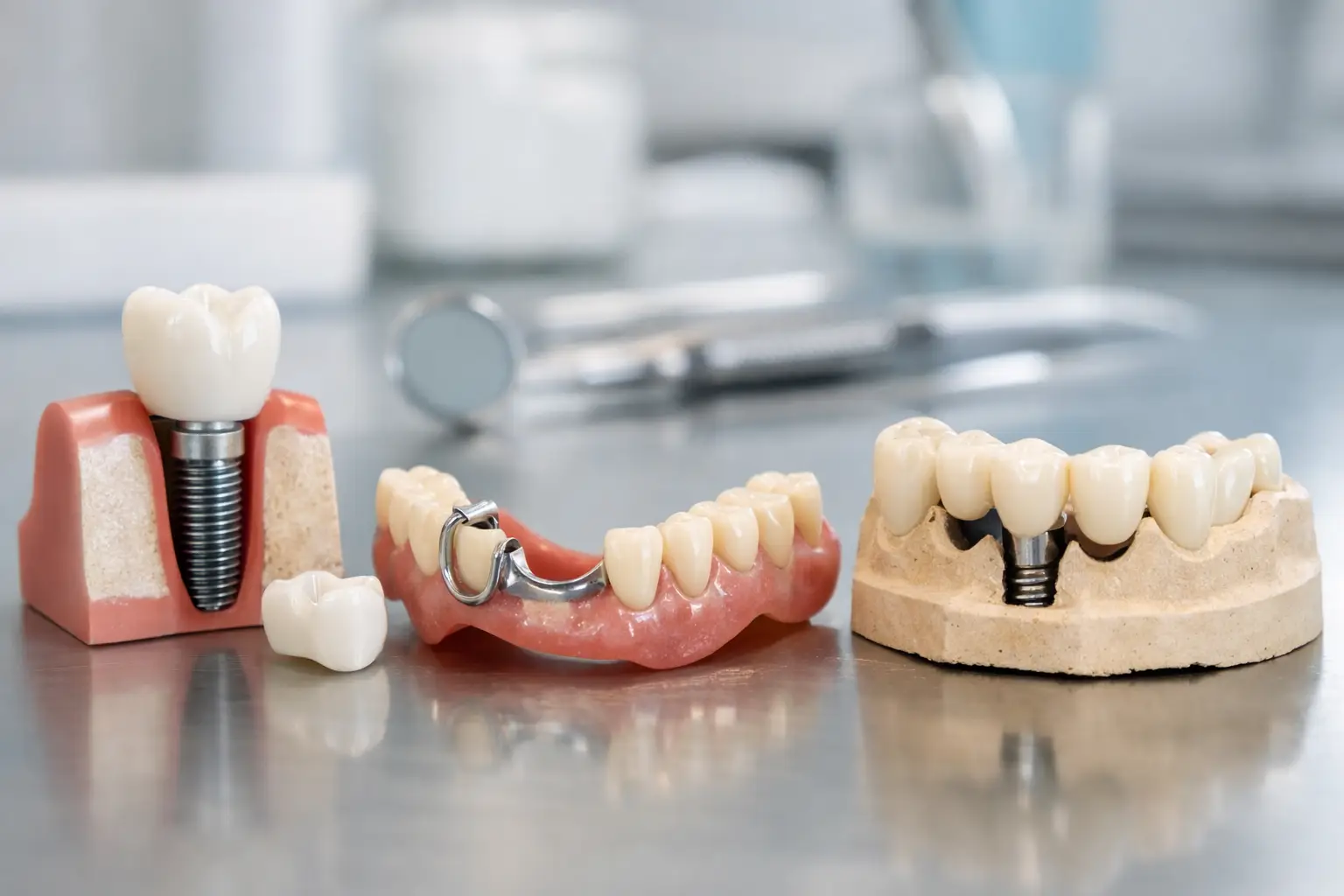
A missing tooth can change more than the way a smile looks. It can make chewing less comfortable, affect speech, allow nearby teeth to drift, and place extra pressure on the teeth that remain. When people search for best options replacing missing teeth, the right answer depends on where the tooth is, how many teeth are missing, the health of the gums and jawbone, and what feels realistic for their daily life.
There is no one-size-fits-all solution, and that is good news. Modern dentistry offers several dependable ways to restore a smile, from a single replacement tooth to a full-arch restoration. A thoughtful exam and conversation can help turn a stressful problem into a clear treatment plan.
Why Replacing a Missing Tooth Matters
Some people lose a back tooth and wonder if it needs to be replaced at all. In certain cases, especially when a wisdom tooth is missing or there is no opposing tooth, leaving a space may be reasonable. More often, though, an open space creates changes over time.
The teeth beside the gap can gradually tip inward. The tooth in the opposite arch may move farther out of position because it no longer has a tooth to bite against. Chewing can become uneven, which may contribute to wear or discomfort elsewhere in the mouth. Replacing a tooth is not only about appearance. It can help protect the bite you already have.
Before recommending a restoration, a dentist will look at the cause of tooth loss. Gum disease, decay, injury, an infection, clenching, and long-standing wear can all play a role. Treating the underlying concern is a key part of making any replacement last.
The Best Options for Replacing Missing Teeth
Dental implants for a natural-feeling replacement
A dental implant replaces the root of a missing tooth with a small post placed in the jawbone. After healing, it supports a custom crown, bridge, or denture. For one missing tooth, an implant with a crown is often the closest option to having a natural tooth again.
Because the implant stands independently, nearby healthy teeth do not need to be reshaped. It also helps stimulate the jawbone, which can reduce bone loss in the area after a tooth is lost. Many patients appreciate the stability of an implant when eating, talking, and smiling.
Implants do require enough healthy bone and healthy gums, although bone grafting or periodontal treatment may make implant care possible for some patients. The process also takes time because healing is part of the treatment. For patients who want a fixed, long-term solution and are comfortable with a surgical procedure, implants are often worth considering.
Dental bridges for a fixed solution without surgery
A traditional dental bridge fills a gap by attaching a replacement tooth to crowns placed on the teeth next to it. It stays in place, so there is no need to remove it for cleaning. A bridge can restore chewing function and appearance relatively efficiently, especially when the neighboring teeth already need crowns because of large fillings, cracks, or decay.
The trade-off is that supporting teeth must be prepared to hold the bridge. Unlike an implant, a bridge does not replace the missing root or directly preserve bone in the open space. Still, bridges remain a reliable and time-tested choice for many patients, particularly when surgery is not preferred or an implant is not the best fit medically.
An implant-supported bridge may be an option when several teeth in a row are missing. Rather than placing an implant for every tooth, strategically placed implants can support multiple replacement teeth.
Removable partial dentures for several missing teeth
A removable partial denture replaces multiple missing teeth while fitting around the natural teeth that remain. It can be made with a lightweight acrylic base, a metal framework, or flexible materials depending on the situation. This option is generally less invasive than implants and can be a practical way to restore several spaces at once.
A partial denture is removable for cleaning and while sleeping. It may take an adjustment period, and it can feel less stable than a fixed bridge or implants. Proper fit matters greatly. A well-designed partial should support function and appearance without putting unnecessary strain on the gums or remaining teeth.
For patients who need an affordable starting point or need time to address gum health, bone loss, or other dental concerns before pursuing implants, a partial denture can be a sensible part of a phased plan.
Complete dentures when all teeth are missing
Complete dentures replace all teeth in the upper arch, lower arch, or both. Today’s dentures are designed to look more natural and feel more personalized than many people expect. They can restore the ability to smile, speak, and enjoy a wider range of foods after widespread tooth loss.
Traditional dentures rest on the gums and are removable. Their fit can change as the jawbone reshapes over time, so periodic adjustments or replacement may be needed. Lower dentures, in particular, can be challenging to keep stable because there is less surface area to support them.
For patients who need teeth removed, an immediate denture may sometimes be placed on the same day as extractions. This helps avoid going without teeth during healing, though the denture usually needs adjustments as the gums and bone heal.
Implant-supported dentures and All-on-4 treatment
Implant-supported dentures combine the broad tooth replacement of a denture with the stability of dental implants. Depending on the plan, the denture may snap onto implants and remain removable for cleaning, or it may be fixed in place and removed only by the dental team during maintenance visits.
For a full arch of missing teeth, All-on-4 treatment uses a limited number of carefully positioned implants to support a full fixed bridge of teeth. This approach can be especially helpful for patients with significant tooth loss who want a more secure alternative to conventional dentures. In some cases, it can reduce the need for extensive bone grafting, but candidacy still depends on bone quality, medical history, bite forces, and overall oral health.
These treatments involve a larger investment of time and cost than a conventional denture, but they can offer meaningful improvements in stability and confidence. The best choice is not automatically the most advanced option. It is the one that supports health, comfort, and realistic long-term care.
How to Choose the Right Tooth Replacement Option
A dentist should evaluate the whole mouth, not just the empty space. Digital imaging can help assess bone levels, roots, sinus position, and other details that are not visible during a routine visual exam. Gum disease must be controlled before placing many restorations, and active decay or infection should be treated first.
Your preferences matter, too. Some patients prioritize a fixed restoration that feels as close as possible to a natural tooth. Others need an option with a lower upfront cost, a shorter treatment timeline, or no surgery. Insurance benefits may help with certain restorations, but coverage alone should not determine a decision that affects your bite and oral health for years.
It is also wise to consider maintenance. Implants need consistent home care and professional cleanings, just like natural teeth. Bridges require careful cleaning underneath the replacement tooth. Dentures need daily cleaning and regular fit checks. A restoration succeeds when it is both well planned and well maintained.
What to Expect at a Tooth Replacement Consultation
A consultation should feel like a conversation, not a sales pitch. Your dental team can review the missing area, discuss imaging, identify any gum or bone concerns, and explain which treatments are appropriate for you. You should leave understanding the likely timeline, the steps involved, expected maintenance, and the financial considerations for each option.
If a tooth was recently lost because of trauma, severe pain, or infection, prompt care matters. There may be ways to protect the area, preserve bone, or create a temporary replacement while a permanent treatment is planned. Parents should also seek guidance when a child loses a permanent tooth early, since growing jaws require a different approach than adult tooth replacement.
At Sendero Dental Studio, the goal is to help Rancho Mission Viejo families make an informed decision at a comfortable pace whenever possible. Replacing a missing tooth is a personal choice, but you do not have to sort through it alone. A caring dental evaluation can clarify what your smile needs now and what will serve you well in the years ahead.