
Clear Aligners Versus Braces: Which Fits You?
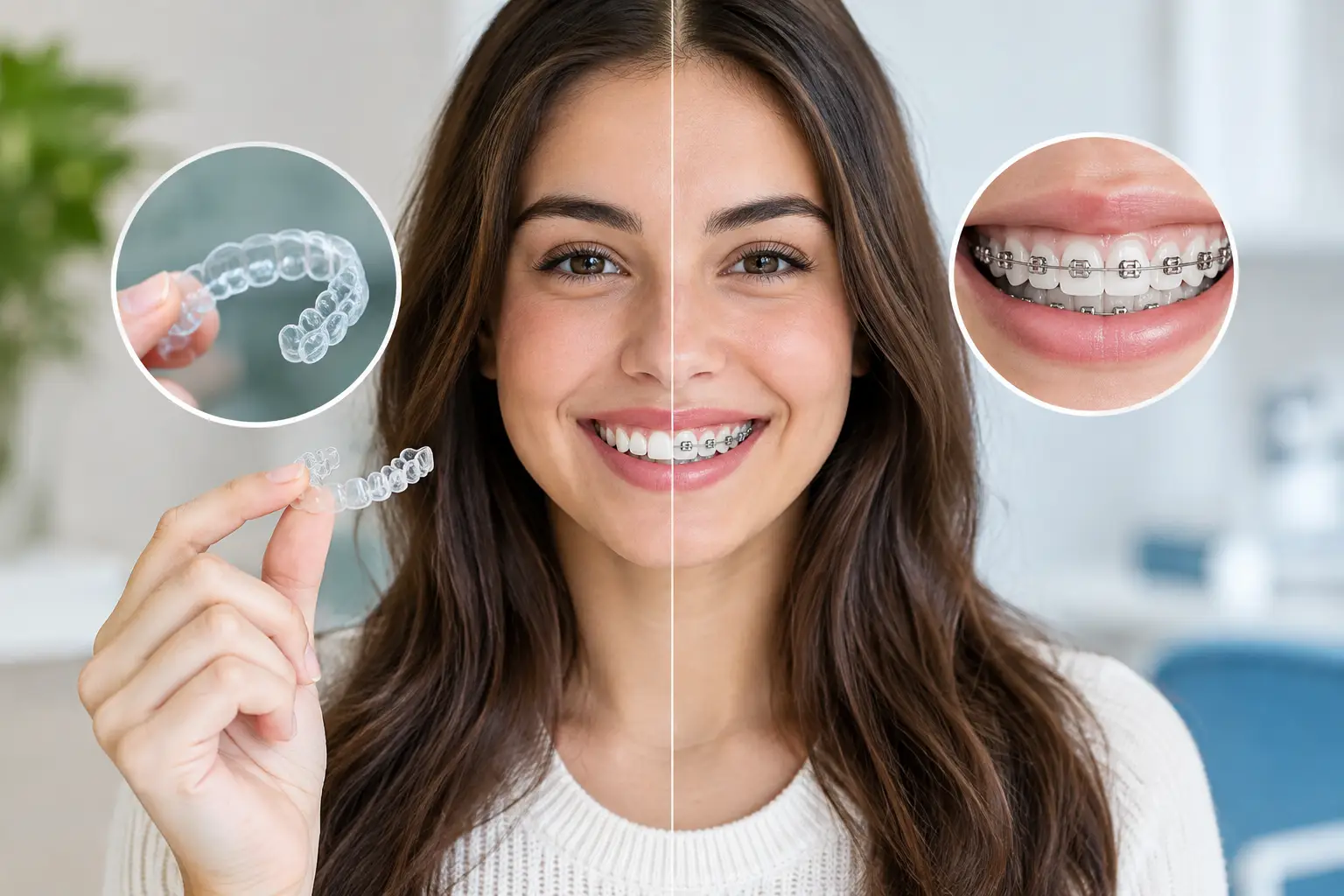
A straighter smile can change more than photographs. It can make brushing easier, improve how teeth come together, and help you feel more comfortable speaking, laughing, and meeting new people. When patients ask about clear aligners versus braces, they are usually looking for an answer that fits real life: work meetings, school lunches, sports, family schedules, and a treatment plan they can follow with confidence.
The right choice is not simply the more discreet option or the one a friend used. Both clear aligners and braces can create healthy, attractive results. The better fit depends on the movement your teeth need, your bite, your daily habits, and how consistently you can follow instructions.
Clear Aligners Versus Braces: The Main Difference
Clear aligners use a series of custom, removable trays that gradually guide teeth into planned positions. Each set is worn for most of the day, then changed on the schedule recommended by your dentist. The trays are clear and closely fitted to the teeth, so they are less noticeable than traditional orthodontic appliances.
Braces use brackets attached to the teeth and a wire that applies steady pressure. Your dental team adjusts the wire over time to continue moving teeth. Modern braces are far more comfortable and refined than many adults remember, and they remain one of the most reliable tools for correcting a wide range of orthodontic concerns.
Neither option is automatically better. Clear aligners offer flexibility and a lower-profile appearance. Braces provide constant treatment force because they stay in place and can be especially effective for more complex tooth and bite movements.
When Clear Aligners May Be a Good Fit
Clear aligners are often appealing to adults and responsible teens who want orthodontic treatment to blend more easily into their routine. You remove the trays to eat, drink anything other than water, brush, and floss. That means there are no food restrictions during treatment, and your usual oral hygiene routine can continue with fewer workarounds.
They can be a strong option for mild to moderate crowding, gaps, certain bite concerns, and teeth that have shifted after previous orthodontic treatment. Many patients appreciate being able to take aligners out briefly for a presentation, wedding, family photo, or special event. However, those occasions should remain the exception, not the rule.
For aligners to work as designed, they generally need to be worn about 20 to 22 hours a day. Leaving them out for long stretches, forgetting to put them back in after meals, or misplacing them can slow progress. This is the key trade-off: the convenience of removable treatment comes with personal responsibility.
Clear aligners may also require small tooth-colored attachments. These temporary shapes give the trays something to grip so they can make more precise movements. They are usually subtle, but patients should know that aligner treatment is not always completely invisible.
Everyday care with aligners
Aligners should be rinsed and cleaned daily with a soft toothbrush and products recommended by your dental team. Hot water can warp the plastic, and sugary or dark drinks can stain trays or trap residue against teeth. Before putting aligners back in after a meal, brushing is ideal. When brushing is not possible, rinsing thoroughly is a helpful short-term step.
When Braces May Be the Better Choice
Braces can be the more predictable solution when teeth need significant rotation, vertical movement, major spacing correction, or more involved bite changes. Because brackets and wires remain on the teeth, braces keep working around the clock without relying on wear-time habits.
They can be particularly helpful for younger patients who may not be ready to manage removable trays consistently. For many parents, braces offer peace of mind: treatment is not sitting in a napkin at a restaurant or left behind in a school lunchroom.
Braces also give your dentist direct control over complex tooth movements. Depending on the case, they may be recommended for severe crowding, impacted teeth, pronounced overbites or underbites, and other concerns that need more detailed guidance. That does not mean aligners cannot handle challenging cases, but it does mean a personalized exam matters more than a one-size-fits-all promise.
Living with braces
The first few days after braces are placed or adjusted can bring tenderness, especially when chewing. Orthodontic wax can help if a bracket rubs against the cheek or lip, and softer foods are often more comfortable while your mouth adjusts.
Braces do require changes at mealtime. Hard candies, sticky caramel, popcorn kernels, chewing ice, and similar foods can damage brackets or wires. Careful brushing around brackets and daily flossing with the tools your dental team recommends are essential. These habits take practice, but they become manageable quickly with support and a consistent routine.
Appearance, Comfort, and Confidence
Appearance is a meaningful part of the decision for many working adults and teens. Clear aligners are the more discreet choice in most social and professional settings. They can allow patients to straighten their teeth without drawing much attention to treatment.
Braces are more visible, although clear or tooth-colored bracket options may be available for some patients. Some people do not mind their braces at all, especially when they see each adjustment as progress toward a healthier smile. For younger patients, colorful bands can even make braces feel more personal.
Comfort is individual. Aligners have smooth edges and no wires, but a new set can create pressure for a day or two. Braces can irritate soft tissues at first and may feel sore after adjustments. Both treatments should be monitored by a dental professional who can address discomfort, fit concerns, or any issue that gets in the way of progress.
Treatment Time and Appointment Planning
Treatment time varies more by your orthodontic needs and cooperation than by the name of the appliance. Some straightforward cases can be completed in months, while complex bite correction can take longer. Clear aligner patients may change trays at home between scheduled progress checks, while braces typically require periodic adjustment visits.
A realistic conversation about appointments matters for busy South Orange County families. Ask how often you will need to come in, what happens if a tray is lost or a bracket breaks, and how your treatment will be monitored. The goal is not just a beautiful final result. It is a plan that works with your life well enough for you to finish it successfully.
Cost and Insurance Considerations
The cost of clear aligners versus braces can overlap, particularly when treatment is more complex. Fees depend on the length of treatment, the type of correction needed, diagnostic records, follow-up visits, and whether retainers are included. It is best not to choose solely by an advertised starting price.
Dental insurance may offer orthodontic benefits, but coverage varies by plan and can include age limits, lifetime maximums, or waiting periods. A clear estimate should explain your anticipated insurance contribution, out-of-pocket cost, and available payment options before treatment begins. For uninsured patients, asking about financing or practice offers can make planning more straightforward.
The Part That Matters After Treatment
Whether you choose aligners or braces, retainers protect the investment after teeth have moved. Teeth can gradually shift throughout life, especially if retainers are not worn as directed. Your dentist will recommend the type of retainer and schedule that fits your completed treatment.
Healthy gums and clean teeth matter, too. Orthodontic treatment works best when cavities and gum inflammation are addressed first. Regular cleanings and exams help keep the foundation of your smile healthy while teeth are being moved.
At Sendero Dental Studio, treatment recommendations begin with listening to your goals, examining your teeth and bite, and explaining the options in clear, practical terms. A confident choice comes from knowing not only what will straighten your teeth, but what you can comfortably maintain every day. The best next step is a personal orthodontic evaluation, where your smile, health, schedule, and priorities can all have a place in the plan.