
Best Age for First Dentist Visit Is Age 1
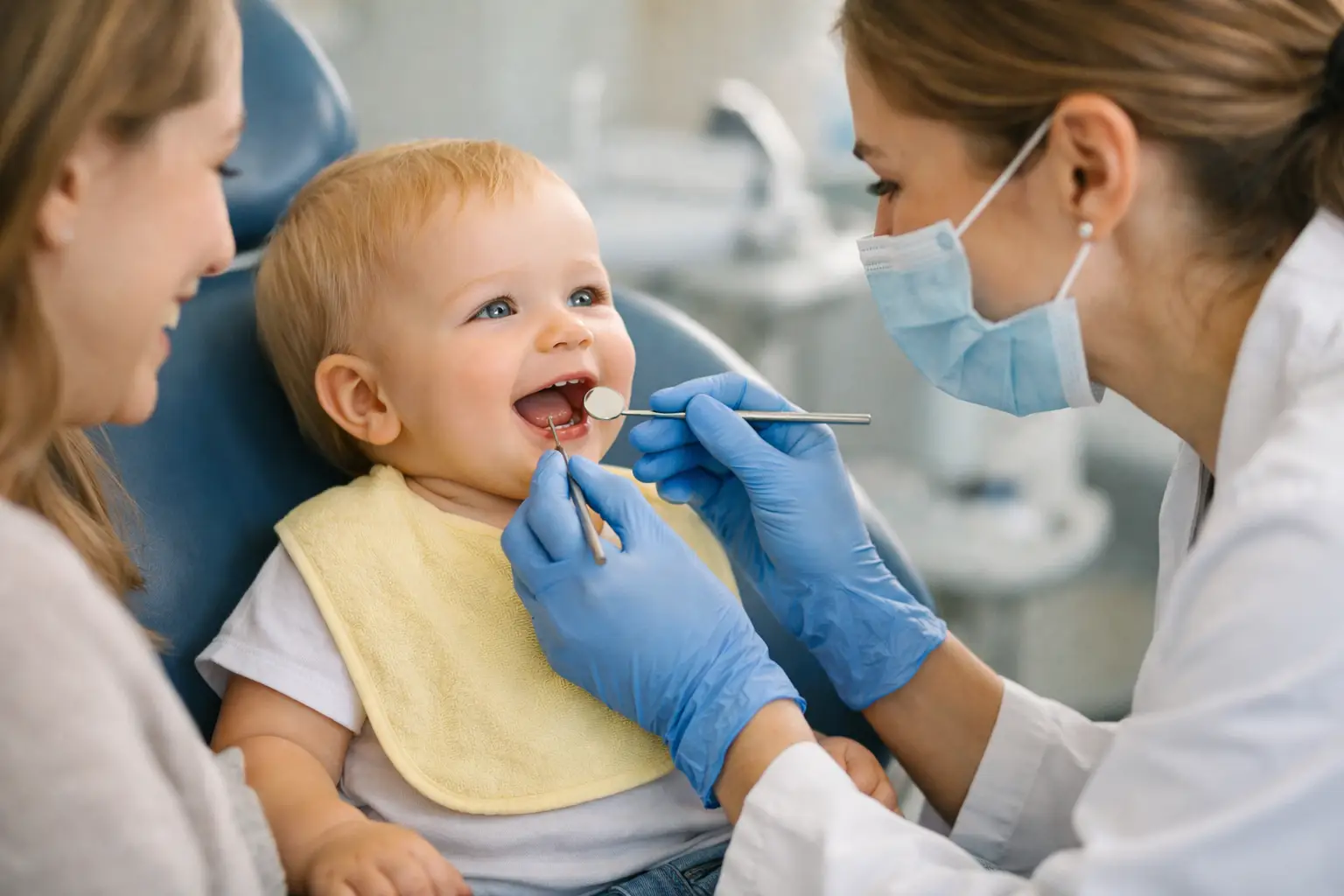
That first tiny tooth is more than a sweet photo opportunity. It is also a good reason to start thinking about dental care. The best age for first dentist visit is when your child’s first tooth appears, or by their first birthday, whichever comes first. Even if there is only one tooth to examine, an early visit helps protect your child’s smile from the start and gives parents reliable guidance before small concerns become bigger ones.
Why age 1 is the best age for first dentist visit
Baby teeth may be temporary, but they play a lasting role in a child’s health. They help children chew comfortably, learn clear speech, and hold space for permanent teeth. Cavities in baby teeth can cause pain, interfere with eating and sleep, and sometimes lead to infection or more complex treatment.
Many parents assume a dental visit can wait until all baby teeth are in, or until preschool. The challenge is that tooth decay can begin much earlier. Frequent sipping on milk, juice, or other sweet drinks, bedtime bottles, and even certain medicines can leave sugars on new teeth. A dentist can identify early risk factors and show you practical ways to care for your child’s mouth at home.
Starting around age 1 also helps make dentistry feel familiar. Rather than meeting the dental team for the first time because of a toothache, your child gets to experience a calm, routine visit. That early comfort can make future cleanings, exams, and treatments easier for both children and parents.
What happens at a first dental appointment?
A first visit is usually gentle, simple, and focused on helping your child feel safe. For babies and toddlers, a parent may hold their child during the exam. The dental team will look at the teeth that have erupted, the gums, bite development, tongue, and soft tissues of the mouth.
Your child’s dentist will also ask about everyday habits. Topics may include bottle or sippy cup use, breastfeeding, thumb sucking or pacifier use, brushing routines, fluoride exposure, snacking, and family history of cavities. These conversations are not about judgment. They are about giving your family guidance that fits real life.
Depending on your child’s age, comfort level, and needs, the visit may include a gentle cleaning or fluoride recommendation. X-rays are not automatic at every first appointment. They are used when clinically appropriate, such as when a dentist needs to check areas between teeth or evaluate a specific concern.
For many young children, the biggest goal is simply a positive introduction. A friendly voice, a short exam, and a little encouragement can go a long way.
When to schedule sooner than age 1
Age 1 is the general recommendation, but some situations deserve an earlier call. Contact a dentist if you notice a tooth that looks discolored, white or brown spots on the enamel, a chipped tooth, swelling, bleeding that does not improve, or signs of mouth pain. If your child has an oral injury, a loose tooth after a fall, or a tooth that has been pushed out of position, prompt dental advice is especially important.
Parents should also schedule early if feeding is painful, the tongue seems restricted, teeth are erupting in an unusual pattern, or there are concerns about jaw growth. A dentist can evaluate what is happening and help you understand whether monitoring or treatment is needed.
If your child has special healthcare needs, takes medications that cause dry mouth, or has a medical condition that may affect oral health, an early dental home can be particularly valuable. Coordinated, personalized care helps everyone stay ahead of potential concerns.
How to prepare your child without creating pressure
The best preparation is usually low-key. Speak positively about the appointment, but avoid making it sound like a major event. You might say, “The dentist is going to count your teeth and help us keep your smile healthy.” Try not to use scary words such as “shot,” “hurt,” or “drill,” even if you are trying to reassure your child. The dental team is trained to explain things in age-appropriate, comforting language.
Choose an appointment time when your child is generally rested and fed. For many toddlers, that means avoiding naptime or a usual mealtime. Bring a favorite comfort item if it helps, and plan for the visit to move at your child’s pace.
It also helps to manage your own nerves. Children often take cues from the adults around them. A calm parent, a patient dental team, and an office designed to welcome families can turn a new experience into a good one.
Everyday care between visits matters most
The first dental visit begins a relationship, but healthy habits at home do most of the daily work. As soon as the first tooth appears, clean it twice a day with a soft, age-appropriate toothbrush. Use a tiny smear of fluoride toothpaste for children younger than 3, about the size of a grain of rice. For children ages 3 through 6, use a pea-sized amount and help them spit it out rather than swallow it.
Parents should brush for young children or closely supervise brushing until they have the coordination to do it well on their own. That often takes longer than families expect. If your child cannot tie their shoes independently, they likely still need help brushing thoroughly.
Water is the best everyday drink between meals. Limit frequent grazing on sweet snacks and drinks, since repeated exposure gives cavity-causing bacteria more opportunities to make acid. Milk is nutritious, but it is not ideal to leave on teeth overnight in a bottle or sippy cup. After the last feeding, wipe or brush the teeth before bed.
Pacifiers and thumb sucking are also common questions at early visits. These habits are normal for many infants and toddlers. Their effect depends on intensity and duration, so the conversation is rarely one-size-fits-all. Your dentist can help you decide when it is appropriate to begin gently guiding your child away from the habit.
What if your child already has cavities or is afraid?
A cavity diagnosis can feel discouraging, especially when a child is very young. It does not mean you have failed as a parent. Tooth decay has many contributing factors, including diet, brushing challenges, enamel strength, bacteria passed within families, and access to fluoride. The productive next step is to understand your child’s specific risk and create a plan.
Treatment options depend on the size and location of the cavity, your child’s age, and their ability to cooperate comfortably. Sometimes a dentist may recommend monitoring an early area, fluoride treatment, or changes at home. Other times, restoring the tooth is the healthiest choice. A family-focused practice can explain the options clearly and prioritize your child’s comfort and safety.
For children who are anxious, early, non-urgent appointments are especially helpful. Repeated positive visits build trust. If treatment is needed, dentists can use behavior guidance and, when appropriate, additional comfort options tailored to the child and procedure.
Building a dental home for your whole family
A dental home is more than a place to go when something hurts. It is a trusted team that knows your child’s history, watches growth and development over time, and gives your family consistent preventive guidance. As your child grows, regular visits help catch concerns involving cavities, crowding, bite changes, and oral habits before they become more difficult to manage.
At Sendero Dental Studio, families can receive child-friendly preventive care in a comfortable neighborhood setting while having access to comprehensive dentistry as their needs change. That continuity matters when parents want one dependable place for routine cleanings, unexpected dental concerns, and long-term smile care.
If your child’s first tooth has appeared or their first birthday is approaching, this is a good time to schedule that first visit. A brief, reassuring appointment today can help make healthy smiles feel like a normal part of family life for years to come.