
Full Mouth Rehabilitation for Seniors: A Complete Guide
Table of Contents
- What Is Full Mouth Rehabilitation?
- Signs You Need Full Mouth Rehabilitation
- Common Dental Procedures in Full Mouth Rehabilitation
- The Full Mouth Rehabilitation Treatment Process
- Full Mouth Rehabilitation Recovery Time and Expectations
- Benefits Beyond Chewing: Oral Function and Overall Health
- Financing Your Full Mouth Rehabilitation
- Long-Term Maintenance After Full Mouth Rehabilitation
- Frequently Asked Questions
Last Updated: August 20, 2026
What Is Full Mouth Rehabilitation?
Full mouth rehabilitation for seniors is a comprehensive dental treatment plan that restores function, health, and appearance when multiple teeth are missing, damaged, or severely decayed. Unlike single-tooth replacements, this approach addresses the entire dental structure, bite alignment, and jaw function as an integrated system.
The goal is to rebuild your ability to chew properly, speak clearly, and smile with confidence. Treatment typically combines dental implants, crowns, bridges, dentures, or periodontal treatment, customized to your specific needs and health status. At Sendero Dental Studio, we understand that seniors face unique challenges. A comprehensive evaluation determines which procedures will deliver the best long-term results, and a personalized treatment plan may span several months but delivers lasting improvements in how you eat, speak, and feel about your smile.
Full mouth rehabilitation for seniors is not a single procedure, it’s a coordinated treatment strategy that restores both function and appearance by addressing decay, [missing teeth](/dental-services/general-dentistry/bridges/), and bite problems across your entire mouth.
Signs You Need Full Mouth Rehabilitation
You may be a candidate for full mouth rehabilitation for seniors if you’re experiencing multiple dental problems simultaneously: missing several teeth, widespread decay affecting multiple teeth, severe gum disease with bone loss, a collapsed bite, difficulty chewing or speaking, or chronic jaw pain and TMJ disorders.
Another important sign is if you’ve had multiple failed treatments in the past. Teeth that keep breaking, implants that haven’t integrated properly, or dentures that never fit well suggest your bite, bone structure, or overall mouth health needs rebuilding from the foundation up.
If you’ve withdrawn from social situations, avoided eating certain foods, or feel embarrassed about your smile, full mouth rehabilitation for seniors can restore not just your teeth but your quality of life. Bone loss is a silent indicator many seniors overlook. After tooth loss, your jawbone begins to shrink, changing your facial structure and making it harder to wear dentures or support implants.
Waiting too long to address multiple dental problems often makes treatment more complex and costly. Bone loss accelerates once teeth are missing, and gum disease spreads to healthy teeth. Early evaluation prevents complications that require more extensive intervention later.
Common Dental Procedures in Full Mouth Rehabilitation
Full mouth rehabilitation for seniors typically involves a combination of procedures selected based on your specific situation.
Dental Implants for Seniors Over 70
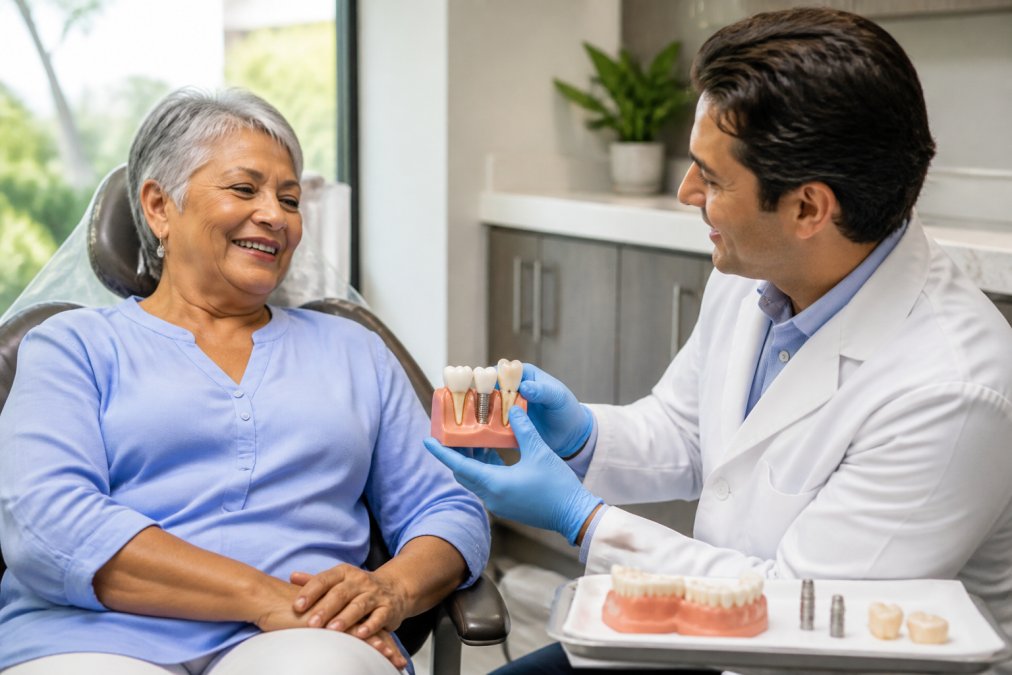
Dental implants are titanium posts surgically placed into your jawbone to replace missing tooth roots. Once integrated with bone, they support crowns, bridges, or dentures with stability that mimics natural teeth. For seniors over 70, implants remain viable even at advanced ages, provided bone density is adequate and overall health permits surgery.
Implants preserve bone. Unlike dentures, which allow bone to shrink over time, implants stimulate the bone and prevent further loss, maintaining your facial structure and keeping your smile looking natural. The timeline is longer than other restorations, typically 3-6 months from placement to final crown, but long-term stability often justifies the wait.
Implant placement requires adequate bone height and width. If bone loss has occurred, bone grafting may be necessary before surgery. Implant placement is minimally invasive compared to other surgical procedures and uses local anesthesia, with most patients experiencing minimal discomfort, though healing takes longer in older adults.
Cost is a significant consideration, and implants represent the largest expense in most full mouth rehabilitation for seniors plans. Insurance coverage varies, and Medicare does not cover implants. Many practices work with patients on financing options to make implants accessible.
Crowns, Bridges, and Dentures
Crowns are ceramic or porcelain caps that cover damaged teeth, restoring their shape, strength, and appearance. In full mouth rehabilitation for seniors, crowns often replace old fillings, repair broken teeth, or cap teeth that have undergone root canal therapy. Modern crowns are tooth-colored and blend seamlessly with natural teeth.
Bridges replace one or more missing teeth by anchoring to adjacent teeth. They’re less invasive than implants and don’t require bone grafting, making them suitable for seniors with limited bone density. However, bridges require grinding down healthy teeth for support and don’t prevent bone loss in the gap where the tooth was missing.
Dentures are removable appliances that replace all or most of your teeth. In full mouth rehabilitation for seniors, dentures often work best when combined with implants. Implant-supported dentures clip onto a few implants, providing greater stability than traditional dentures while costing less than a full set of individual implants.
Periodontal Treatment and Bone Grafting
Periodontal disease, infection of the gums and bone supporting your teeth, is common in seniors and often goes unnoticed until significant damage occurs. Treatment ranges from deep cleaning to remove tartar and bacteria below the gum line to advanced periodontal surgery if bone loss is extensive.
Bone grafting rebuilds jawbone lost to disease or tooth extraction. Grafted material gradually integrates with your existing bone, creating a foundation for implants or improving mouth contours. The timeline varies; some grafts integrate in 4-6 months. Your dentist will monitor healing with imaging to determine when implants or other procedures can proceed safely.
The Full Mouth Rehabilitation Treatment Process
The full mouth rehabilitation for seniors process typically unfolds in distinct phases, though the exact sequence depends on your individual needs.
Phase 1: Comprehensive Evaluation and Planning
Your dentist begins with detailed examination, including X-rays, 3D imaging, and sometimes a CT scan to assess bone density and structure. They’ll review your medical history, current medications, and any health conditions that might affect treatment. A detailed written plan outlines the sequence of procedures, expected timeline, and costs.
Phase 2: Addressing Urgent Issues
If you have active infection, severe pain, or teeth that can’t be saved, these are addressed first. Extractions of hopeless teeth, emergency root canals, or antibiotics for infection stabilize your mouth and prevent complications during later restorative work.
Phase 3: Periodontal Health and Preparation
Before placing implants or major restorations, your gums must be healthy. Deep cleaning removes infection and tartar. If bone loss is present and implants are planned, bone grafting may occur during this phase. Healing typically takes 3-6 months.
Phase 4: Restorative Procedures
Once your mouth is healthy and any bone grafting has integrated, restorative work begins. Implants are placed, crowns are prepared, or dentures are fabricated. This phase often takes the longest because many procedures require healing time between steps.
Phase 5: Final Adjustments and Maintenance Planning
Once all restorations are in place, your dentist makes fine adjustments to ensure proper bite alignment, comfort, and appearance. You’ll receive detailed instructions on cleaning, maintenance, and follow-up care. Regular check-ups, typically every 3-6 months initially, ensure everything is healing well and functioning as intended.
Full Mouth Rehabilitation Recovery Time and Expectations
Recovery timelines vary significantly depending on which procedures are included in your full mouth rehabilitation for seniors plan.
Tooth extractions typically heal within 7-10 days for basic comfort, though complete bone healing takes 3-6 months. Implant placement involves minor surgery under local anesthesia, with swelling and bruising for 3-5 days. Most patients return to light activities within a week, though strenuous exercise should be avoided for 2-3 weeks. The implant requires 3-6 months to integrate with bone before a crown can be attached.
Bone grafting requires the longest healing period, typically 4-6 months for the graft to integrate before implants can be placed. Crowns and bridges can often be placed within 2-3 weeks of tooth preparation. Dentures typically require multiple adjustment appointments over 4-6 weeks as your mouth adjusts to the new appliance.
Pain and discomfort are generally mild to moderate, manageable with over-the-counter or prescribed pain medication. Swelling is normal and typically peaks at 2-3 days before gradually improving. Avoid hot foods and drinks, strenuous exercise, smoking, and alcohol for at least the first week. Soft foods like yogurt, soup, mashed potatoes, eggs, and smoothies are your staple for the first 1-2 weeks.
Many seniors find that setting realistic expectations about recovery actually reduces anxiety. Most people are pleasantly surprised by how quickly they adapt and how much better they feel once treatment is complete.
Benefits Beyond Chewing: Oral Function and Overall Health
The benefits of full mouth rehabilitation for seniors extend far beyond being able to eat properly.
Improved Nutrition
When you can chew properly, you eat a wider variety of foods, fresh vegetables, lean proteins, nuts, and whole grains, rather than relying on soft, processed options. Better nutrition supports immune function, bone health, and overall vitality.
Speech Clarity
Missing teeth and poorly fitting dentures affect how you pronounce certain sounds. Full mouth rehabilitation restores your ability to speak clearly, which matters whether you’re giving a speech or simply chatting with friends.
Reduced Infection Risk
Untreated gum disease and tooth decay are sources of chronic infection in your mouth. Bacteria from these infections can enter your bloodstream and contribute to systemic inflammation, linked to heart disease, stroke, and other serious conditions. Eliminating these infections reduces your overall health risk.
Jaw Function and Pain Relief
A misaligned bite puts stress on your jaw joints and muscles, causing TMJ disorders, headaches, and neck pain. Restoring proper bite alignment often eliminates these problems. Many seniors discover that chronic headaches disappear once their bite is corrected.
Bone Preservation
Implants and proper restorations stimulate your jawbone, preventing the bone loss that occurs when teeth are missing. This preserves your facial structure and maintains the foundation for future dental work if needed.
Psychological and Social Benefits
Restoring your smile often restores your confidence and social life. Seniors who were avoiding photos, declining social invitations, or feeling self-conscious often become more engaged and outgoing after full mouth rehabilitation. Social connection and positive outlook support longevity and overall well-being.
Financing Your Full Mouth Rehabilitation
Full mouth rehabilitation for seniors is a significant investment, and understanding your financing options helps you make informed decisions.
Insurance Coverage
Most dental insurance plans cover a portion of restorative work, though coverage varies widely. Typical plans cover 50-80% of crowns, bridges, and dentures, but often exclude implants entirely. Medicare does not cover dental care, including implants, crowns, or dentures. Review your insurance plan’s coverage limits and annual maximums before treatment begins.
Out-of-Pocket Costs and Financing Plans
Costs vary based on which procedures are needed, the complexity of your case, and your geographic location. Implants are typically the most expensive component. Many dental practices, including Sendero Dental Studio, offer in-house financing or work with third-party financing companies to spread costs over time. Some practices offer discounts for patients without insurance or for those who pay in full upfront.
Additional Resources
Medicaid coverage for dental care varies by state. Dental schools and community health centers sometimes offer reduced-cost dental care. Some charitable organizations provide grants or subsidized care for seniors with limited income.
Long-Term Maintenance After Full Mouth Rehabilitation
Your full mouth rehabilitation for seniors is only as successful as your commitment to maintaining it. Proper care extends the lifespan of your restorations and protects your overall oral health.
Daily Oral Hygiene
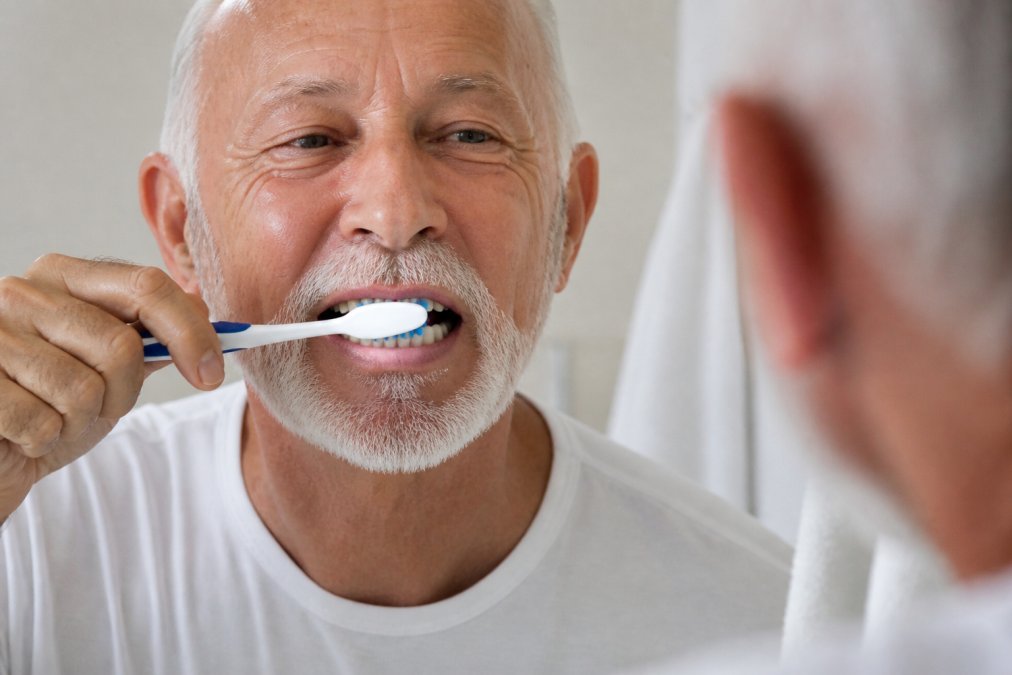
Brush twice daily with a soft-bristled toothbrush using gentle circular motions. Floss daily, or use a water flosser if traditional floss is difficult. If you wear dentures, clean them daily with a denture brush and denture cleaner, never toothpaste. For implants and crowns, treat them like natural teeth, brushing and flossing around them carefully to prevent infection.
Professional Cleanings and Diet
Visit your dentist every 3-6 months for professional cleaning and evaluation. These appointments catch problems early. Avoid hard, sticky, or extremely hot foods that can damage crowns or dentures. If you wear dentures, remove them at night to allow your gums to rest. Avoid smoking and excessive alcohol, both of which compromise healing and increase infection risk.
Managing Conditions and Addressing Problems
If you have diabetes, heart disease, or other chronic conditions, managing them well supports better oral healing and reduces infection risk. If a crown feels loose, a denture breaks, or you notice pain or swelling around an implant, contact your dentist immediately.
Realistic Expectations About Longevity
Crowns typically last 10-15 years. Implants can last 20+ years or longer with proper care. Dentures may need adjustments or replacement every 5-7 years as your mouth changes. These timelines are not guarantees; individual results vary based on your habits, health, and how well you follow maintenance instructions.
Full mouth rehabilitation for seniors is a transformative investment in your ability to eat, speak, and smile with confidence. The process requires patience and commitment, but the payoff, restored function, improved health, and renewed confidence, makes it worthwhile.
At Sendero Dental Studio, we specialize in helping seniors navigate full mouth rehabilitation with compassionate, personalized care. Our experienced team understands the unique challenges seniors face and tailors treatment to your health status, timeline, and goals. We’re here to answer your questions, address your concerns, and guide you through each step of the process. Request your appointment today to begin your journey toward a healthier, more confident smile.
Frequently Asked Questions
What are the primary signs you need full mouth rehabilitation?
You may need full mouth rehabilitation if you experience multiple missing or severely damaged teeth, difficulty chewing or speaking, chronic jaw pain, loose or shifting teeth, or significant bone loss. Gum disease, tooth decay affecting several teeth, and bite problems (malocclusion) are also common indicators. A dental assessment can determine whether rehabilitation is appropriate for your situation.
Is it worth getting dental implants for seniors over 70?
Yes, dental implants can be a worthwhile option for seniors over 70 if you’re in good overall health and have adequate bone structure. Age alone is not a limiting factor, many seniors successfully receive implants. Implants restore chewing function, prevent bone loss, and improve speech and confidence. However, your dentist will evaluate your individual health status, medications, and bone density to determine if implants are suitable for you.
How long does full mouth rehabilitation recovery time typically take?
Recovery timelines vary depending on the procedures involved. Initial healing from extractions or implant placement takes 1-2 weeks, though complete bone integration for implants can take 3-6 months. Dentures or bridges may be fitted within a few weeks. The entire full mouth rehabilitation process, from initial consultation to final restoration, often spans several months. Your dentist will provide a personalized timeline based on your specific treatment plan.
How does full mouth rehabilitation differ from a smile makeover?
Full mouth rehabilitation addresses both function and appearance, restoring your ability to chew, speak, and maintain oral health while improving aesthetics. A smile makeover focuses primarily on appearance, whitening, veneers, or cosmetic adjustments. Rehabilitation is more comprehensive and often necessary when multiple teeth are missing or damaged, whereas a smile makeover is typically elective and cosmetic in nature.
Can seniors maintain their oral health after full mouth rehabilitation?
Absolutely. After full mouth rehabilitation, maintaining oral health involves daily brushing and flossing, regular dental check-ups (typically every 6 months), and addressing any gum disease promptly. If you have implants, avoid chewing on hard objects. With dentures, clean them daily and store them properly. Good oral hygiene and consistent professional care help your restored teeth and implants last many years.
Are there age limits for undergoing comprehensive dental restoration?
Age alone is not a barrier to full mouth rehabilitation. Many seniors in their 70s, 80s, and beyond successfully complete comprehensive restoration. Your dentist will evaluate your overall health, medications, bone density, and ability to tolerate dental procedures rather than focusing on age. Some seniors may need modified treatment plans, but age-related limitations are usually manageable.
What systemic health benefits can full mouth rehabilitation provide?
Restoring oral health through full mouth rehabilitation can improve overall health by reducing chronic inflammation from periodontal disease, which is linked to heart disease and diabetes. Better chewing function allows you to eat a more nutritious diet. Improved sleep quality may result if tooth loss or jaw problems were affecting sleep. Treating tooth loss also reduces the risk of further bone loss and jaw complications.
What should I expect during my first consultation for full mouth rehabilitation?
Your dentist will conduct a thorough oral health assessment, including X-rays and examination of your teeth, gums, and jaw. They’ll discuss your concerns, medical history, and treatment goals. You may receive a preliminary treatment plan outlining recommended procedures and estimated timelines. This consultation helps determine which combination of procedures, implants, crowns, dentures, or other restorations, is best suited to your needs and health status.
This article was written using GrandRanker