
Urgent Dental Care for Gum Swelling: When to Act

Table of Contents
- What Constitutes a Dental Emergency vs. Urgent Care
- Signs of a Dental Abscess You Should Never Ignore
- Immediate Steps to Take for Swollen Gums at Home
- How to Treat Gum Infection at Home Before Professional Care
- When to Visit the Emergency Room for Gum Swelling
- What to Expect During Emergency Dental Care
- Post-Emergency Care and Prevention
- Frequently Asked Questions
Last Updated: August 21, 2026
What Constitutes a Dental Emergency vs. Urgent Care
A dental emergency threatens your life, vision, or permanent tooth loss and requires immediate ER or emergency dental facility treatment. Urgent dental care refers to problems needing prompt attention within hours or a day or two, but posing no immediate life threat.
A knocked-out tooth, severe facial trauma, or spreading infection with fever and difficulty swallowing are emergencies. Swollen gums with pain or mild infection signs typically fall into urgent care, serious enough for same-day or next-day attention, but manageable with home care until you reach a dentist.
Sendero Dental Studio offers same-day emergency care for acute dental problems. When you call with urgent dental care needs for gum swelling, our team can often fit you in the same day, preventing minor issues from escalating.
If unsure whether you need emergency or urgent care, call your dentist’s emergency line. Describe your symptoms and let a professional guide you. Most dental offices have protocols to triage calls and advise whether you need the ER, urgent care, or can wait for a regular appointment.
Signs of a Dental Abscess You Should Never Ignore
A dental abscess is a localized bacterial infection forming a pocket of pus, usually at a tooth root or in gum tissue (the American Dental Association). It’s one of the most serious conditions requiring urgent dental care for gum swelling, and ignoring it can lead to systemic complications.
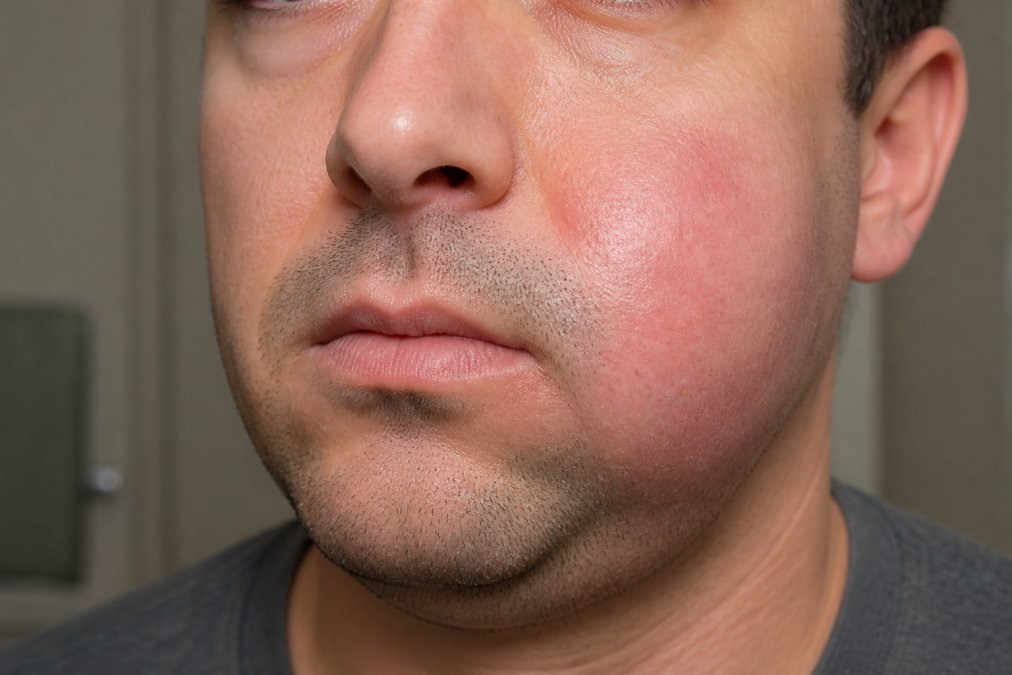
Signs include throbbing pain radiating to your ear, jaw, or neck; visible swelling of the gum or entire face; red, shiny, tender gum tissue; a pimple-like bump with drainage; and bad taste in your mouth. Systemic symptoms often accompany an abscess: fever, chills, general malaise, difficulty swallowing, and swollen lymph nodes under your jaw or neck.
The danger lies in progression. An untreated abscess doesn’t resolve on its own; it either drains temporarily (without eliminating the underlying problem) or spreads. A spreading infection can lead to cellulitis and, in rare cases, life-threatening sepsis.
If you suspect an abscess, seek professional evaluation within 24 hours. Don’t wait for it to resolve on its own.
If you have fever above 101°F, difficulty swallowing, or facial swelling affecting your ability to breathe or see, go to the emergency room immediately ([the CDC](https://www.cdc.gov/mmwr/preview/mmwrhtml/rr5217a1.htm)). These signs indicate the infection may be spreading systemically.
Immediate Steps to Take for Swollen Gums at Home
While home care cannot cure an infection or abscess, it reduces pain and inflammation while you arrange professional treatment.

Cold Compress Application
Cold reduces inflammation and numbs pain by constricting blood vessels (the NIH). Apply a cold compress to the outside of your cheek (never directly on bare skin) for 15 minutes at a time, with 15-minute breaks between applications. Use a commercial ice pack, frozen peas wrapped in cloth, or a cold spoon.
Cold is most effective during the first 24-48 hours. Set a timer and repeat the cycle multiple times throughout the day for best results.
Salt Water Rinse Protocol
Salt water creates an osmotic environment that draws fluid from inflamed tissue, reduces bacterial load, and promotes healing. Mix one-half to one teaspoon of salt in 8 ounces of warm water. Gently swish for 30 seconds without aggressive rinsing, then spit out.
Perform a salt water rinse after meals and before bed, and as frequently as every two hours if experiencing significant swelling.
Pain and Inflammation Management
Ibuprofen (Advil, Motrin) is often more effective for dental pain than acetaminophen because it addresses both pain and inflammation. Follow package directions and don’t exceed recommended daily limits. Check for interactions with other medications before starting.
Keep the area clean but gentle. Brush normally but avoid aggressive brushing near the swollen area. Use a soft-bristled toothbrush.
Home care buys time and reduces discomfort but doesn’t treat the underlying cause. If swelling persists beyond 48 hours or worsens despite home treatment, seek professional evaluation. Urgent dental care for gum swelling shouldn’t be delayed beyond 24 hours.
How to Treat Gum Infection at Home Before Professional Care
Not all gum swelling is an abscess, and many gum infections respond well to aggressive home care and improved oral hygiene.
Mild gum inflammation often stems from plaque buildup. If your gums are swollen but you lack fever, severe pain, or abscess signs, you can often improve the situation at home before your appointment.
Start with meticulous oral hygiene. Brush twice daily with a soft-bristled brush at a 45-degree angle to your gum line. Floss daily, being gentle around swollen areas. Use an antimicrobial mouth rinse if recommended by your dentist.
Continue salt water rinses every two to three hours. Many people find consistent rinsing reduces mild to moderate swelling within three to five days.
Avoid irritants: don’t smoke or use tobacco products, avoid alcohol-based mouthwashes, and skip hard, crunchy, or sticky foods. Stay hydrated and get adequate sleep to support immune function.
However, if you develop fever, swelling worsens despite home care, or you notice abscess signs, seek professional care immediately. Urgent dental care for gum swelling with systemic infection signs requires professional evaluation and likely antibiotic therapy.
When to Visit the Emergency Room for Gum Swelling
Most gum swelling belongs in an urgent dental care clinic, not an emergency room. However, certain situations demand ER evaluation first.
Go to the emergency room if you experience difficulty breathing or swallowing, severe facial swelling affecting your vision or ability to open your mouth, fever above 102°F, or signs of spreading infection like red streaking on your neck or multiple swollen lymph nodes.
Also seek ER care if you have a compromised immune system (from HIV, chemotherapy, or immunosuppressive medications) and develop signs of oral infection.
The ER can provide IV antibiotics, airway management if needed, and imaging to assess infection extent. They’ll refer you to urgent dental care or a dental specialist once the acute infection stabilizes.
For most cases of urgent dental care for gum swelling without severe systemic signs, an urgent dental care clinic is the appropriate first stop.
Emergency room care is appropriate for people with fever above 102°F, difficulty breathing or swallowing, severe facial swelling affecting vision, or immunocompromised status with signs of oral infection. Everyone else with gum swelling should go to urgent dental care.
What to Expect During Emergency Dental Care
When you arrive at an urgent dental care facility, expect rapid triage. Staff will ask about your symptoms, when they started, what home care you’ve tried, and whether you have fever or systemic symptoms.
The dentist will examine the affected area visually and may take X-rays to assess whether the problem is a tooth infection, gum infection, or trauma. They’ll check your lymph nodes, take your temperature, and assess your overall health.
If an abscess is present, the dentist may drain it, providing immediate pain relief and removing the infection source. Drainage can occur through a gum incision or, if a tooth is involved, through opening the tooth to access the infected pulp chamber.
You’ll likely receive antibiotics if infection is evident. Finish the entire course even if you feel better, as stopping early allows resistant bacteria to survive.
Pain management typically includes local anesthesia during the procedure and prescription or over-the-counter pain relievers afterward. Your dentist will discuss post-procedure discomfort and recovery expectations.
Many urgent situations require follow-up. If a tooth is involved, you may need a root canal, extraction, or other definitive treatment. Your dentist will explain next steps before you leave.
Post-Emergency Care and Prevention
The first 24-48 hours after urgent dental care for gum swelling is critical for proper healing. Follow your dentist’s post-care instructions exactly, including continuing salt water rinses, taking prescribed antibiotics on schedule, and using pain medication as directed.
Expect some swelling and discomfort to persist for a few days. Swelling may increase slightly in the first 24 hours as your body’s inflammatory response activates, this is normal.
Eat soft foods and avoid hot beverages for the first few days. Skip crunchy, hard, or sticky foods that might irritate the area. Continue excellent oral hygiene but be gentle around the treated area.
Prevention starts with daily habits: brush twice daily with a soft-bristled brush, floss daily, and rinse with water after meals. Regular professional cleanings, typically twice yearly, remove tartar buildup that brushing alone can’t address.
Address risk factors. Quitting smoking dramatically improves gum health. If you have diabetes, maintain good blood sugar control. If you grind your teeth, ask about a night guard.
At Sendero Dental Studio, we emphasize prevention alongside treatment. Our comprehensive approach includes patient education on oral hygiene, regular professional cleanings, and early intervention when we spot gum disease signs.
Schedule your next regular cleaning before you leave your emergency appointment. Most people need professional cleaning every six months, but those with a history of gum infection may benefit from more frequent visits. Ask your dentist what interval makes sense for your situation.
Frequently Asked Questions
Can you go to urgent care for swollen gums?
Many urgent care centers can provide pain management and antibiotics for gum swelling, but they cannot perform dental procedures. If you need urgent dental care, a dental emergency clinic or your dentist’s emergency line is your best option. Urgent care can help stabilize severe infections or facial swelling while you arrange dental treatment, but a dental professional should evaluate the underlying cause of the swelling.
What are the signs of a dental abscess that require immediate emergency dental care?
A dental abscess typically presents with severe throbbing pain, visible swelling in the gum or face, pus drainage, fever, and sometimes jaw swelling or difficulty swallowing. If you experience facial swelling that affects your breathing or swallowing, fever above 101°F, or swelling that spreads to your neck or lymph nodes, seek emergency dental care immediately. These signs indicate the infection may be spreading beyond the tooth.
How can I reduce gum swelling before seeing a dentist?
Use a cold compress on the outside of your cheek for 15 minutes at a time, rinse with warm salt water several times daily, and take over-the-counter pain relievers as directed on the package. Avoid hot foods and drinks, maintain gentle oral hygiene, and do not attempt to drain the abscess yourself. These steps manage inflammation and pain temporarily, but professional dental evaluation is essential to address the infection’s cause.
When should I go to the emergency room instead of calling my dentist?
Visit the emergency room if you have difficulty breathing or swallowing, severe facial swelling, fever above 103°F, or swelling that spreads to your neck, jaw, or under your tongue. These symptoms indicate the infection may have spread systemically. The ER can manage the acute infection while coordinating with emergency dental care. Call your dentist or emergency dental line first if your symptoms are localized to the tooth or gum.
Gum swelling that requires urgent dental care for gum swelling can be frightening, but prompt action prevents complications. If you’re experiencing swelling, pain, or signs of infection, don’t wait. Contact Sendero Dental Studio for same-day emergency evaluation and treatment. Our experienced team provides comprehensive dental care designed to resolve your immediate problem and prevent future emergencies through personalized prevention strategies and advanced clinical techniques.
This article was written using GrandRanker