
Full Mouth Restoration Options for a Healthier Smile
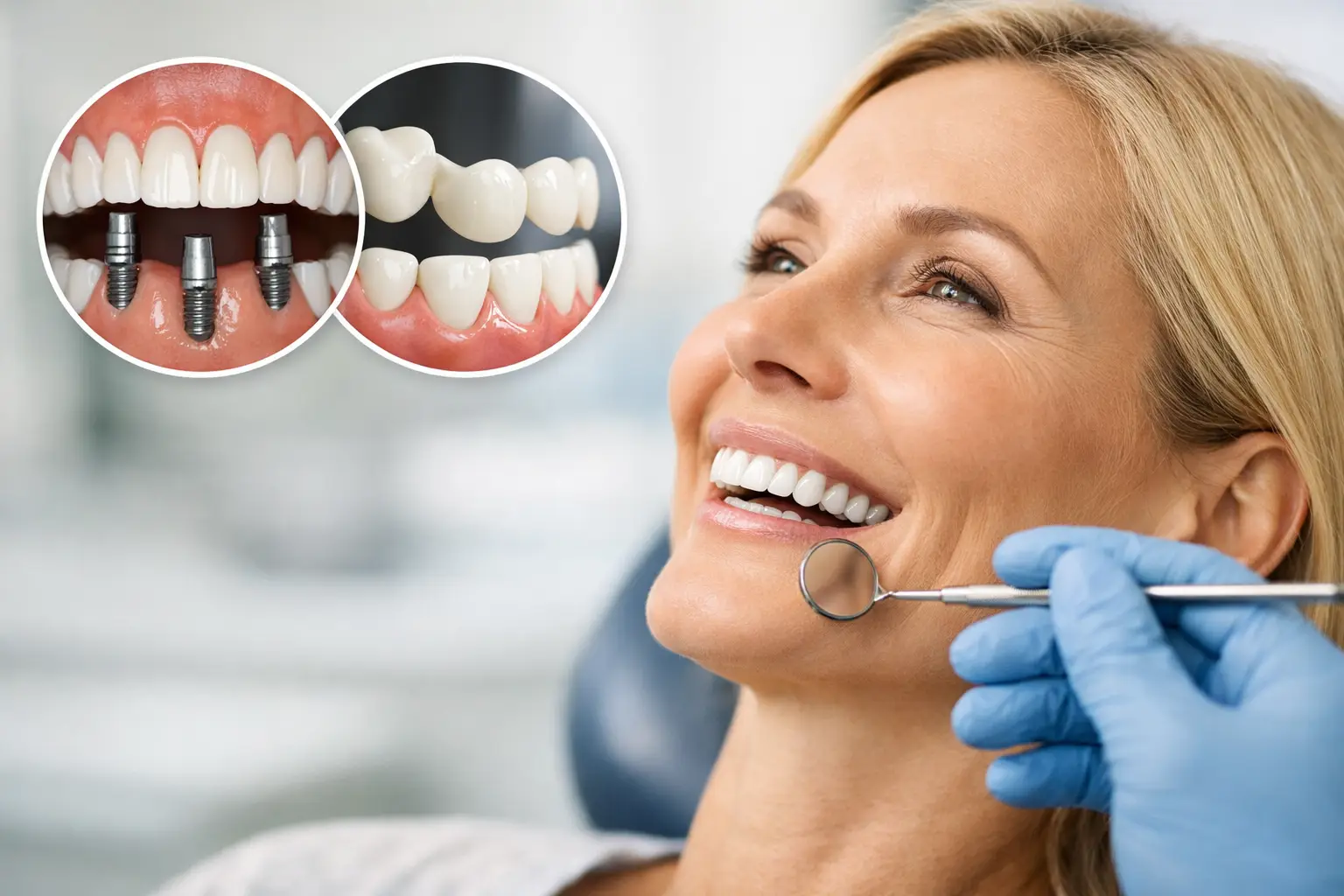
When several teeth are damaged, missing, worn down, or causing daily discomfort, it can be hard to know where to begin. Full mouth restoration options are designed to address the whole picture – not just one painful tooth – so your bite, smile, comfort, and long-term oral health can work together again.
A full mouth restoration is not one standard procedure or a single treatment package. It is a personalized plan that may combine restorative, periodontal, surgical, cosmetic, and preventive care based on what your mouth needs now and what will protect it in the years ahead. For some patients, that means rebuilding a few failing teeth with crowns and implants. For others, it may mean treating gum disease first, replacing many missing teeth, and restoring a stable bite.
What Is a Full Mouth Restoration?
Full mouth restoration, sometimes called full mouth rehabilitation or reconstruction, is a comprehensive approach to rebuilding the function and appearance of a smile. It is often recommended when dental concerns affect multiple areas of the mouth rather than a single tooth.
Common reasons someone may need this level of care include widespread decay, broken or heavily worn teeth, advanced gum disease, multiple missing teeth, old dental work that is failing, or bite problems that make chewing uncomfortable. Teeth can also become severely worn from grinding, acid erosion, or years of uneven pressure.
The goal is bigger than creating a brighter smile. A thoughtfully planned restoration can help you chew more comfortably, speak clearly, reduce strain on your jaw, protect remaining healthy teeth, and feel more at ease when you smile. Cosmetic improvements are often part of the process, but they should be built on a healthy, stable foundation.
Full Mouth Restoration Options to Consider
The right treatment combination depends on the health of your teeth, gums, bone, bite, budget, and personal goals. A comprehensive exam, digital imaging, and a conversation about your concerns help your dental team recommend options that make sense for your situation.
Crowns, Bridges, and Tooth-Colored Restorations
A dental crown covers and strengthens a tooth that is cracked, heavily decayed, worn, or weakened after root canal therapy. When several teeth need protection, crowns can be an important part of restoring a balanced bite. Modern materials can be selected to blend naturally with your smile while providing the strength needed for everyday chewing.
A bridge may be appropriate when one or more teeth are missing in a row. Traditional bridges use neighboring teeth for support, while implant-supported bridges are anchored to dental implants rather than natural teeth. The best choice depends on the condition of the surrounding teeth, the location of the space, and whether preserving nearby tooth structure is a priority.
For smaller areas of decay or damage, tooth-colored fillings or bonded restorations may be enough. Not every tooth needs a crown, and a conservative approach is often preferable when healthy tooth structure can be preserved.
Dental Implants for Missing Teeth
Dental implants replace the root portion of a missing tooth and support a crown, bridge, or full arch restoration. Because implants are placed in the jawbone, they can provide excellent stability and help support the bone in the area of a missing tooth.
An implant can replace one tooth, support several teeth, or anchor a larger restoration. Patients often appreciate that implant-supported teeth feel secure while eating and do not need to be removed for cleaning. However, implants require adequate bone, healthy or treated gums, and a commitment to ongoing hygiene. Healing time is also part of the process, so they may not be the fastest option in every case.
If bone volume has been reduced after tooth loss, bone grafting may be recommended before or during implant treatment. That can add time and cost, but it may create a stronger foundation for a lasting result.
Implant-Supported Dentures and All-on-4 Solutions
For patients missing most or all teeth in an arch, implant-supported dentures can offer more stability than conventional removable dentures. Depending on the design, the restoration may snap onto implants for removal at home or be fixed in place and removed only by the dental team for maintenance.
All-on-4 treatment is one full-arch option that uses a limited number of strategically placed implants to support a complete set of replacement teeth. In certain cases, it may allow for efficient treatment and a fixed temporary restoration on the same day as implant placement. Still, candidacy is individual. Bone health, bite forces, gum condition, medical history, and the quality of the remaining teeth all matter.
A fixed full-arch restoration can be life-changing for the right patient, but it also requires careful cleaning and regular professional follow-up. It is not a maintenance-free solution. Your team should explain how to care for the restoration, what future repairs may look like, and whether a removable or fixed design better fits your lifestyle.
Conventional Full or Partial Dentures
Traditional dentures remain a practical and valuable option, particularly for patients who want a non-surgical tooth replacement solution or need to manage treatment costs carefully. Full dentures replace an entire upper or lower arch, while partial dentures fill gaps when some healthy natural teeth remain.
Today’s dentures can be designed for a more natural appearance and improved fit. Even so, they do not feel exactly like natural teeth or implant-supported restorations. They may require an adjustment period, periodic relines as the jaw changes, and attention to fit to avoid sore spots. For many people, a conventional denture is a sensible starting point that can potentially be upgraded with implants later.
Gum Disease Treatment and Root Canal Care
Before final restorations are placed, the gums and supporting bone need attention. Untreated periodontal disease can compromise teeth, implants, and crowns, which is why deep cleanings, periodontal therapy, or other gum treatments may come first.
A tooth with an infected or inflamed nerve may need root canal therapy rather than extraction. Saving a natural tooth is often worth considering when the tooth has a healthy foundation and can be restored predictably. After root canal treatment, a crown may be recommended to protect the tooth from fracture.
There are times when extraction is the better choice, such as when a tooth is too damaged to restore or has insufficient bone support. A careful evaluation helps separate teeth that can be maintained from teeth likely to create repeated problems.
How a Personalized Plan Is Built
A full mouth restoration should be planned in phases, not rushed into based on appearance alone. The first phase addresses urgent concerns, including pain, infection, broken teeth, or active gum disease. Next comes stabilization: restoring teeth that can be saved, replacing missing teeth where appropriate, and establishing a healthier bite.
The final phase may include cosmetic refinements such as veneers, whitening, or reshaping once the mouth is stable. This order matters. Whitening teeth or placing cosmetic veneers before resolving decay, bite issues, or gum inflammation can lead to disappointing results and avoidable repeat treatment.
At Sendero Dental Studio, a comprehensive conversation can also include practical details that matter to busy families and working adults: how many appointments are likely, whether treatment can be staged, how to manage temporary restorations, and what care will be needed after completion. A plan should fit your health needs and your real life.
Cost, Timing, and Long-Term Care
The cost of full mouth treatment varies widely because no two mouths need the same work. A plan involving a few crowns and a bridge will differ significantly from one involving extractions, grafting, implants, and a full-arch restoration. Insurance may contribute to medically necessary portions of treatment, while elective cosmetic upgrades may have different coverage. Your dental office can help clarify estimates, benefits, and available payment approaches before treatment begins.
Timing also varies. Some restorations can be completed in weeks, while implant care may take several months when healing or bone grafting is involved. A longer timeline is not necessarily a setback. It can allow healing, bite adjustments, and careful planning that protect your investment.
Once treatment is complete, regular cleanings, home care, night guards for grinding when recommended, and periodic examinations are essential. Crowns, implants, bridges, and dentures are durable, but they still depend on healthy gums and consistent care.
If eating, smiling, or getting through the day has become harder because of your teeth, a comprehensive evaluation can replace uncertainty with a clear path forward. The best next step is simply a conversation about what is bothering you, what you hope to change, and which treatment approach can help you feel comfortable in your smile again.