
Single Tooth Implant Benefits for Your Smile
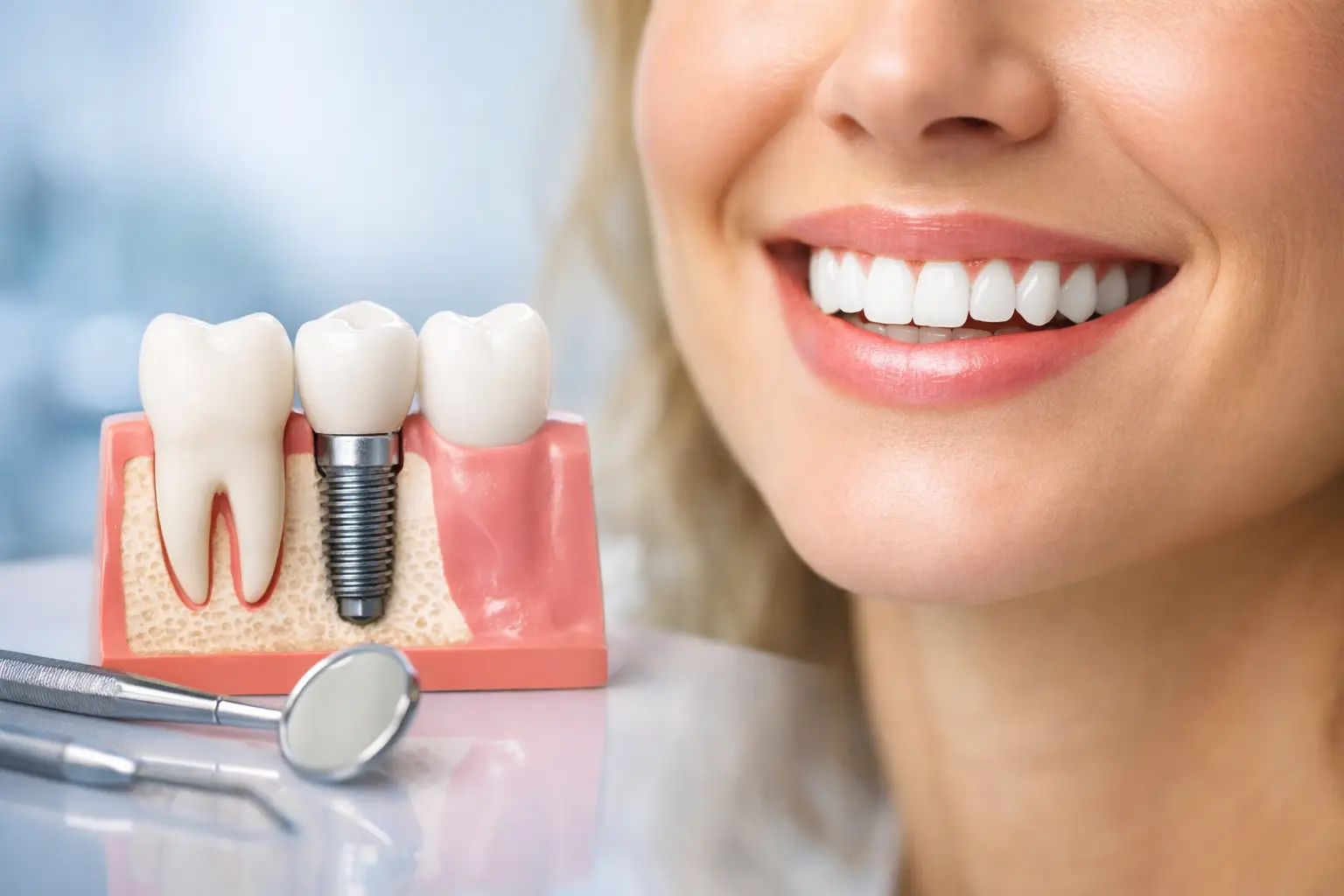
A missing tooth can affect more than the space you see in the mirror. It can change how you chew, how confidently you speak, and how the surrounding teeth fit together over time. For many adults, single tooth implant benefits include a replacement that looks natural, feels secure, and supports long-term oral health without relying on the teeth beside the gap.
Whether you lost a tooth because of decay, injury, gum disease, or a failed restoration, replacing it is worth discussing sooner rather than later. A single dental implant is not the right answer for every situation, but it is often one of the most complete ways to restore one missing tooth.
What Is a Single Tooth Implant?
A single tooth implant replaces both the missing tooth root and the visible crown. The implant itself is a small biocompatible post placed in the jawbone. After the area heals and the implant bonds with the bone, a custom crown is attached to create the part of the tooth you see when you smile.
Unlike a traditional bridge, an implant-supported crown stands on its own. Your dentist does not need to reshape the healthy teeth on either side of the missing tooth to hold it in place. The final crown is designed to blend with your nearby teeth in shape, size, and color.
Treatment typically happens in stages. Some patients need an extraction first, while others have already healed from a lost tooth. Your dentist will evaluate your gums, bone levels, bite, medical history, and the location of the missing tooth before recommending a timeline.
Single Tooth Implant Benefits That Matter Every Day
The best reason to consider an implant is not simply that it fills a gap. It is how that replacement can support the way your mouth functions every day.
It helps preserve your jawbone
Your natural tooth roots stimulate the jawbone whenever you bite and chew. Once a tooth is lost, the bone in that area can gradually shrink because it no longer receives that stimulation. Over time, bone loss may affect facial contours and make future tooth replacement more complicated.
An implant functions as a replacement root, transmitting chewing forces to the jawbone. While it cannot reverse every change that has already occurred, placing an implant can help preserve bone where the tooth was lost. This is especially meaningful when a tooth has been missing for a long time or when you want to protect options for future care.
It protects neighboring teeth
With a conventional dental bridge, the teeth on each side of the gap are usually prepared to support connected crowns. A bridge can be an excellent treatment in certain situations, particularly when the neighboring teeth already need crowns. But if those teeth are healthy and intact, an implant may allow you to replace only the tooth that is missing.
That independence can make daily cleaning feel more familiar, too. You brush and floss around an implant crown much like a natural tooth, although your dental team may recommend specific techniques or tools based on your gum health and restoration design.
It provides dependable chewing support
A missing tooth can make people unconsciously avoid one side of the mouth or skip foods that feel difficult to chew. A well-planned, well-maintained implant crown is fixed in place, so it does not move like a removable appliance might.
That stability can make meals more comfortable and help distribute chewing pressure more evenly. You may still need to avoid biting extremely hard items, such as ice or hard candy, just as you would to protect a natural tooth or crown. An implant is durable, but it is not indestructible.
It can look and feel like part of your smile
Modern implant crowns are carefully made to complement your existing smile. The goal is not a crown that calls attention to itself. It is a tooth replacement that fits naturally alongside the teeth you already have.
This matters in visible areas, but it matters in back teeth as well. When a restoration is shaped to support your bite and contact properly with nearby teeth, it can feel more comfortable during normal speaking and chewing. Your dentist will also consider the gumline so the final result supports a healthy, balanced appearance.
It may offer long-term value
A dental implant involves a larger initial investment than some other replacement options, and it requires a surgical procedure and healing time. Those are real considerations. However, implants are designed for long-term service when they are properly placed and cared for.
The crown may eventually need repair or replacement due to normal wear, but the implant post can last for many years. For patients who want a fixed, independent replacement for one missing tooth, that longevity can make the treatment a meaningful investment in comfort and oral health.
Why Replacing One Tooth Should Not Wait Too Long
It is easy to think one missing tooth is manageable, especially if it is not visible when you smile. Yet teeth work as a connected system. When there is a gap, nearby teeth can slowly drift or tip toward the open space. The tooth above or below the gap may also begin to move because it no longer has an opposing tooth to meet.
These changes can affect your bite, create food traps, and make the area harder to clean. They can also reduce the available space for a future implant. Early evaluation does not mean you must commit to treatment immediately, but it gives you a clearer picture of your options while planning may be more straightforward.
Is a Single Tooth Implant Right for You?
Many healthy adults are candidates for implants, including people who have worn a bridge or partial denture for years. Candidacy depends less on age alone and more on your overall health, gum condition, bone support, and ability to maintain regular dental care.
Active gum disease should be treated first. Smoking, uncontrolled diabetes, certain medications, teeth grinding, and a history of radiation therapy in the jaw area can also affect planning and healing. These factors do not always rule out implant treatment, but they deserve an honest conversation with your dental team.
Adequate bone is also needed to hold an implant securely. If bone has diminished after an extraction or long-standing tooth loss, a bone graft may be recommended. This can add time to treatment, but it may create the foundation needed for a stable result.
What about same-day replacement?
In some cases, an implant can be placed on the same day a tooth is extracted. In select situations, a temporary tooth may also be placed while the area heals. This approach depends on the condition of the surrounding bone and gums, the location of the tooth, your bite, and whether infection is present.
Same-day treatment is convenient when it is clinically appropriate, but it is not automatically the best choice. A careful plan that protects healing is more valuable than rushing the timeline.
Caring for an Implant Crown
Implants cannot get cavities, but the gums and bone around them still need consistent care. Plaque buildup around an implant can lead to inflammation and, in more advanced cases, infection that threatens the supporting bone.
Daily brushing, cleaning between teeth, and routine professional visits are essential. If you clench or grind your teeth, a nightguard may help protect both the implant crown and your natural teeth. Regular exams also allow your dentist to check your bite and make sure the crown, gum tissue, and supporting bone remain healthy.
Choosing a Comfortable, Personalized Plan
Replacing a missing tooth is a personal decision, and there is no one-size-fits-all answer. A bridge, removable partial denture, or implant may each be appropriate depending on your health, budget, timeline, and the condition of nearby teeth. The right choice is the one that supports your long-term needs while feeling manageable for your life.
At Sendero Dental Studio, we believe patients deserve a clear explanation of their options and a treatment plan built around comfort, function, and lasting oral health. If you have a missing tooth or have been told one needs to be removed, a consultation can help you understand whether an implant is a practical next step for your smile.