
Invisalign Treatment Before After: What to Expect
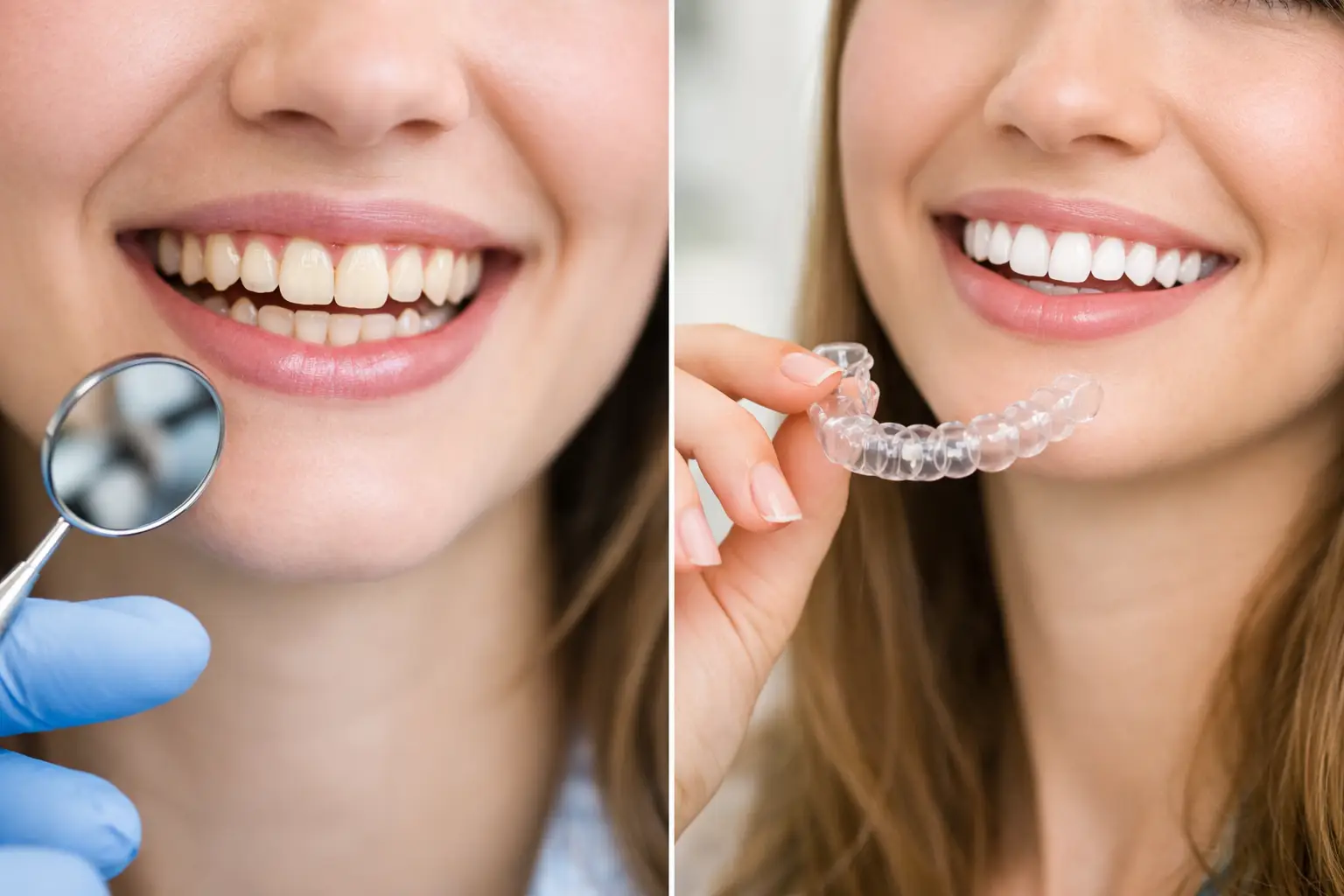
A before-and-after photo can make Invisalign look simple: crooked teeth in one image, a straighter smile in the next. But Invisalign treatment before after results are more personal than a photo montage. Your starting bite, tooth movement needs, aligner wear habits, and long-term retainer use all shape the final outcome.
For adults balancing work, family, and busy South Orange County schedules, clear aligners can be an appealing way to improve a smile without traditional brackets and wires. The right plan begins with an honest conversation about what you would like to change, what Invisalign can predictably treat, and what it will take to maintain your result.
What Invisalign Can Change Before and After Treatment
Invisalign uses a series of custom clear aligners to apply gentle, controlled pressure to teeth over time. Each set is designed to move teeth in a specific sequence, gradually bringing them closer to the planned position.
Before treatment, patients may notice crowding, gaps, rotated teeth, teeth that sit too far forward, or an uneven smile line. Some people are also concerned about bite issues, such as an overbite, underbite, crossbite, or open bite. After treatment, the visible change may be a more even, balanced smile, but the functional improvements can matter just as much. Properly positioned teeth can be easier to clean and may distribute biting forces more comfortably.
Every case is different. Mild spacing or crowding may respond relatively quickly, while more involved bite correction can take longer and may require attachments, small tooth-colored shapes placed on certain teeth to help aligners grip and guide movement. Some plans also include slender spaces between teeth, called interproximal reduction, to create room when needed. These steps are common parts of orthodontic care, not signs that something has gone wrong.
A straighter smile is not the only goal
The best Invisalign results support both appearance and oral health. If teeth overlap tightly, brushing and flossing can be more difficult. If a bite is uneven, certain teeth may receive more force than they should. Clear aligner treatment may help address these concerns, but it is not a substitute for healthy gums, regular cleanings, or restorative care when those needs are present.
At Sendero Dental Studio, planning begins with a close look at your smile, bite, gums, and overall dental health. That comprehensive approach helps ensure cosmetic goals are considered alongside the foundations that keep a smile healthy.
Invisalign Treatment Before After: The Timeline Behind the Photos
Most Invisalign before-and-after images leave out the middle, which is where the real work happens. Treatment often begins with digital scans rather than traditional impression material. These scans help create your custom aligner plan and allow your dental team to show you a simulation of anticipated tooth movement.
That preview is helpful, but it is not a promise of an identical outcome. Teeth and bone respond biologically, and treatment plans sometimes need adjustments along the way. Your provider monitors progress and can recommend refinements when teeth need additional movement to reach the desired result.
Many patients wear aligners for about 20 to 22 hours a day, removing them for meals and anything other than water. A typical case may take several months to well over a year, depending on the complexity of the movements and how consistently aligners are worn. Missing wear time can slow treatment and affect how well each new aligner fits.
Appointments are generally simpler than frequent brace adjustments, but they still matter. Regular check-ins allow your dental team to confirm that teeth are tracking as planned, answer questions, and make thoughtful changes when needed.
What the first few weeks feel like
New aligners can create a feeling of pressure or tightness, especially when switching to the next set. This is usually a sign that the aligner is actively guiding tooth movement. Many patients adapt quickly, though some notice temporary changes in speech or mild tenderness during the first days of a new tray.
Clear aligners are removable, which is a major convenience for meals and brushing. That convenience also creates responsibility. Aligners only work when they are in your mouth. Keeping them in a napkin at a restaurant or leaving them on a lunch tray are common ways they get lost, so a protective case is worth using every day.
How to Read Before-and-After Results Realistically
When looking at Invisalign treatment before after photos, focus on more than whether teeth look perfectly straight. Ask whether the smile appears balanced, whether spacing and overlap have been addressed, and whether the bite has been evaluated. Front-facing photos alone may not show important details about how upper and lower teeth meet.
It is also wise to compare cases that resemble your own. A small gap between front teeth is not the same as a more complex bite concern. Someone with mild crowding may see a different timeline and require a different level of treatment than someone whose teeth need significant rotation or bite correction.
Age can matter, but it does not automatically rule treatment in or out. Teens, working adults, and parents returning to orthodontic care after years away can all be candidates. The more relevant questions are whether your gums are healthy, whether teeth are stable enough for movement, and whether you can commit to daily aligner wear and retainer use afterward.
For some patients, another orthodontic approach may be a better fit. Traditional braces can offer advantages in certain complex cases, and some dental concerns should be treated before orthodontics begins. A trusted consultation should make room for those conversations rather than pushing every smile into the same solution.
The After Part: Keeping Your Invisalign Results
Finishing active aligner treatment is exciting, but it is not the end of protecting your smile. Teeth have a natural tendency to shift over time. Retainers hold them in their new positions while the surrounding tissues adapt, then continue to protect the investment you made in treatment.
Your provider will explain the retainer schedule that fits your case. Many patients begin by wearing retainers more consistently and later transition to nighttime wear. Skipping retainers can allow spaces, crowding, or rotations to return, sometimes gradually enough that you do not notice until a retainer no longer fits.
Good habits also help preserve a healthy, polished result. Brush and floss carefully, keep routine hygiene visits, and clean aligners or retainers as directed. If you are considering whitening or other cosmetic care, timing it around your orthodontic plan can help create a more coordinated final look. Restorative needs, such as worn fillings or crowns, may also be best addressed before or after tooth movement depending on your individual treatment plan.
Is Invisalign Right for Your Smile?
Clear aligners can be a comfortable, discreet option for many people, but the right answer comes from an exam, not a generic online result. A personal evaluation can identify whether Invisalign fits your goals, estimate the likely treatment timeline, and explain the details that influence your specific before-and-after outcome.
A straighter smile should feel like it belongs to you, not like a rushed cosmetic promise. Schedule a consultation to talk through your goals, ask practical questions, and receive care that respects both your time and your long-term oral health.