
Is Sedation Dentistry Safe? What Patients Should Know
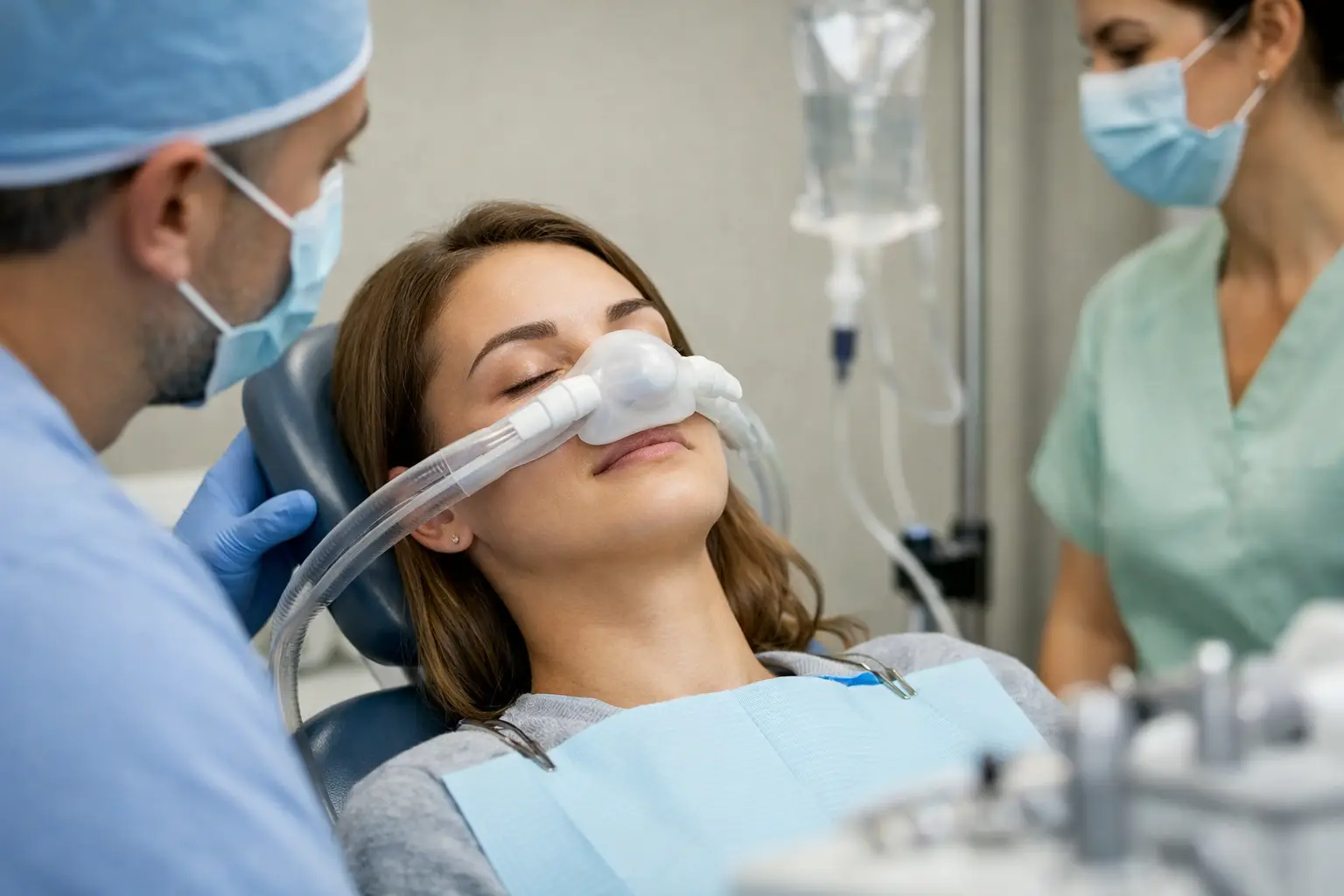
A patient who has postponed a filling, wisdom tooth removal, or even a routine cleaning because of anxiety is not alone. The question, is sedation dentistry safe, is a sensible one to ask before treatment. For most healthy patients, sedation can be a safe and effective way to receive needed dental care when it is carefully selected, administered by trained professionals, and monitored throughout the visit.
Sedation is not about ignoring safety to make dentistry easier. It is a clinical tool that can help patients relax, sit comfortably for longer procedures, and move forward with care that supports their oral health. The right option depends on your health history, medications, level of anxiety, and the treatment you need.
Is Sedation Dentistry Safe for Most Patients?
Yes, dental sedation has a strong safety record when a qualified dental team follows appropriate screening, dosing, monitoring, and recovery procedures. Before recommending sedation, your dentist reviews factors that affect your individual risk, including medical conditions, allergies, current medications, prior experiences with anesthesia, and whether you may be pregnant.
During treatment, the team monitors you closely. Depending on the type of sedation, this may include checking oxygen levels, heart rate, blood pressure, breathing, and responsiveness. The goal is to use the lowest effective level of medication for a comfortable, safe experience.
No medical treatment is entirely risk-free, and sedation is not the same choice for every patient. Side effects can include drowsiness, dizziness, nausea, temporary memory gaps, or a dry mouth. More serious complications are uncommon, but they are why honest health information, professional oversight, and following pre- and post-appointment instructions matter so much.
Understanding the Different Levels of Dental Sedation
The word sedation can describe several different approaches. Knowing the difference helps patients understand what their dentist is recommending.
Nitrous Oxide
Nitrous oxide, often called laughing gas, is breathed in through a small mask placed over the nose. It creates a calm, light feeling while you remain awake and able to respond to the dental team. It takes effect quickly and typically wears off quickly after the mask is removed.
For many patients, nitrous oxide is a practical option for mild to moderate anxiety, a sensitive gag reflex, or a child who needs help settling into treatment. In many cases, patients can return to their normal activities afterward, although your dentist will give you instructions based on your specific visit.
Oral Sedation
Oral sedation involves taking a prescribed medication before the appointment. It can create a deeper sense of relaxation than nitrous oxide, and many patients remember little of the procedure afterward. You are usually still conscious and able to respond, but you may feel very sleepy.
Because the effects can last for several hours, a responsible adult must drive you home and stay available after the visit. Planning a quiet day with no work, school pickup, driving, alcohol, or important decisions is part of using oral sedation safely.
IV Sedation
IV sedation is delivered through a vein and allows the dental team to adjust the medication level during treatment. It may be recommended for more involved procedures, significant anxiety, or patients who have difficulty receiving care with lighter forms of sedation.
This option requires more extensive monitoring and preparation. Patients need a ride home and should have an adult stay with them afterward. Your dentist can explain whether IV sedation is appropriate for your treatment and the qualifications of the provider administering it.
General Anesthesia
General anesthesia places a patient into a fully unconscious state and is generally reserved for specific surgical needs or situations where other options are not suitable. It requires a higher level of anesthesia care and is not the standard approach for routine dental treatment.
What Makes Sedation Dentistry Safer?
Safe sedation begins well before you sit in the dental chair. A careful consultation lets the team match the medication and level of sedation to the patient, rather than taking a one-size-fits-all approach.
Your medical history is especially important. Conditions such as obstructive sleep apnea, heart or lung disease, diabetes, liver or kidney concerns, pregnancy, and certain neurological conditions may change the recommendation. Medications also matter. Sleep aids, anti-anxiety medications, opioid pain relievers, blood thinners, and some supplements can affect how sedation works or how your body responds.
Be direct about recreational drug use, alcohol use, and any past complications with anesthesia. This information is private and is shared to protect you, not to judge you. A dentist can only make a safe recommendation with a complete picture of your health.
Safety also depends on following instructions. If you are told not to eat or drink for a certain period before your appointment, follow that direction exactly. Fasting rules vary by sedation type and health history. Do not take additional medications unless your dentist or prescribing physician has approved them.
Who May Need Extra Evaluation?
Many people can receive sedation safely, but some patients need added planning or may be better served by a different approach. A dentist may request medical clearance from your physician, alter the sedation plan, or refer you to a specialist when there are significant health considerations.
Extra evaluation may be appropriate for patients with severe sleep apnea, uncontrolled high blood pressure, serious breathing conditions, a history of anesthesia reactions, or complex medication regimens. Older adults may also need a more conservative approach because medications can stay in the body longer. Children require weight-based dosing and close supervision, along with an approach suited to their developmental needs.
Being nervous does not automatically mean deeper sedation is necessary. Sometimes a slower appointment, clear explanations, breaks, headphones, numbing medication, or nitrous oxide provides the reassurance a patient needs with less recovery time.
How to Prepare for a Sedation Appointment
Once you and your dentist decide on a sedation option, a little preparation can make the day feel far more manageable. Wear comfortable, loose-fitting clothing and arrive with a list of medications or recent health changes if anything has changed since your consultation.
For oral or IV sedation, arrange a trusted adult to bring you to the office, drive you home, and remain available as instructed. Do not plan to drive yourself, operate machinery, sign legal documents, care for young children alone, or return to work that day. Even if you feel alert, your judgment and reaction time may still be affected.
Follow your dentist’s food and drink directions, and ask what to do with routine medications such as blood pressure medicine or insulin. If you wake up sick, develop a fever, have congestion that affects breathing, or discover you are pregnant, call the office before coming in. A change in your health may mean the safest choice is to reschedule or adjust the plan.
Questions Worth Asking Before You Decide
A comfortable conversation should be part of your care. Ask which type of sedation is recommended and why, what monitoring will be used, how long the effects may last, and what recovery support you will need at home. You can also ask about the provider’s training and experience with the proposed sedation method.
It is helpful to discuss alternatives as well. If your main concern is discomfort rather than anxiety, excellent local anesthetic may be all you need. If a longer procedure feels overwhelming, breaking care into shorter visits may be an option. The best plan is the one that protects your health while allowing you to get treatment without unnecessary fear.
At Sendero Dental Studio, that conversation is designed to feel personal, not rushed. Your comfort matters, but so does making sure you understand your options and feel confident in the plan before treatment begins.
Dental anxiety should not force you to live with pain, avoid preventive visits, or postpone a treatment that could become more complex over time. Bring your questions to your dental visit, share your health history openly, and let your care team help you choose a calm, appropriate path forward.