
Preventative Dental Care Tips to Avoid Expensive Procedures

Table of Contents
- Why Preventative Dental Care Saves You Money
- Best Practices for Daily Oral Hygiene
- Signs of Gum Disease to Watch For
- The Importance of Bi-Annual Dental Check-Ups and Early Intervention
- Preventative Dental Care Tips for Every Age Group
- Common Mistakes That Lead to Expensive Dental Procedures
- Frequently Asked Questions
Last Updated: October 1, 2026
Why Preventative Dental Care Saves You Money
Preventative dental care is the routine practice of protecting your teeth and gums before problems start. It costs far less than fixing damage later. At Sendero Dental Studio, small issues caught early stay small.
The Cost of Preventative Dental Care vs Restorative
Prevention is cheap. Repair is not.
- Routine check-ups: low cost, done twice a year
- Fillings: moderate cost, needed once decay spreads
- Root canals and crowns: high cost, often after years of neglect
- Implants or dentures: highest cost, after a tooth is lost
Most dental insurance plans cover preventive visits at little or no cost, while restorative work often comes with coinsurance and yearly caps.
How Dental Insurance and HSA/FSA Accounts Reduce Your Out-of-Pocket Costs
Most dental plans cover cleanings and exams at 100% and pay a larger share for basic care than for major work. That structure rewards prevention on purpose.
Schedule preventive visits early in your plan year. If you need restorative work later, you’ll still have benefits left before the yearly cap resets.
Best Practices for Daily Oral Hygiene
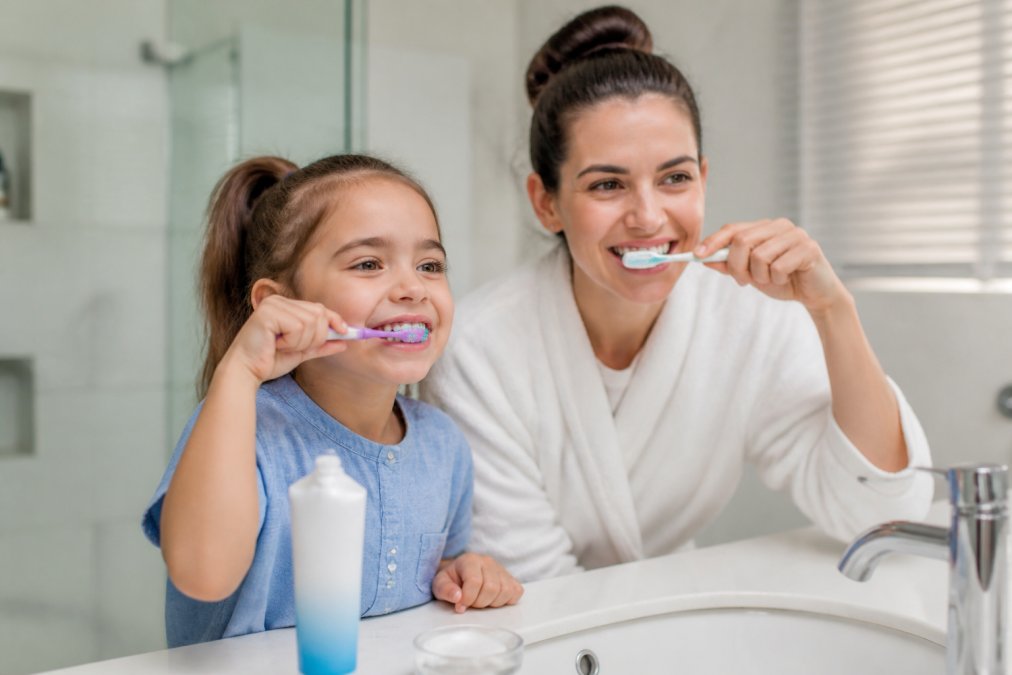
Daily oral hygiene means cleaning your teeth and gums every day to stop plaque and bacteria from building up. Two minutes of brushing twice a day, plus daily flossing, does most of the work.
Brushing and Flossing Techniques That Actually Work
Most people brush too hard and floss too little. What works:
- Use a soft-bristled toothbrush and brush for two full minutes
- Hold the brush at a 45-degree angle toward the gumline
- Move in small circles, not hard back-and-forth strokes
- Floss once a day, sliding gently below the gumline
- Add interdental brushes or a water flosser if floss is hard to use
The Role of Fluoride and Diet in Preventing Tooth Decay
Tooth decay happens when plaque bacteria feed on sugar and produce acid that eats through enamel. Fluoride toothpaste and fluoridated tap water help rebuild enamel and slow that process.
What to cut back on:
- Sugary drinks and snacks, especially between meals
- Sticky sweets that cling to teeth
- Constant sipping of soda or juice all day
Signs of Gum Disease to Watch For
Gum disease starts quietly, and the earliest stage is the cheapest to reverse. Gingivitis is the early, reversible stage, marked by red, swollen gums that bleed when you brush. Left alone, it can progress to periodontal disease, which damages the bone holding your teeth. Most people can’t tell the two apart at home, so they wait and the bill grows.
Stage 1: Watch for 7-10 Days
These signs are common, usually reversible, and rarely expensive if you act with better home care:
- Gums that bleed a little when you brush or floss, but look pink the rest of the day
- Mild morning breath that improves after brushing
- A faint pink tint on your floss or toothbrush bristles
- Gums that feel tender for a day or two after a hard brushing session
Stage 2: Call Your Dentist Within a Week
These signs suggest the problem has moved past simple gingivitis and needs professional evaluation before it becomes a periodontal case:
- Gums that bleed every time you brush for more than 7-10 days
- Persistent bad breath that doesn’t improve with brushing, flossing, or mouthwash
- Red, tender, or puffy gums that stay that way
- Gums that look like they’re pulling away from the teeth, making teeth look longer
- One or two teeth that feel slightly loose or have shifted position
- New sensitivity at the gumline when you drink something cold
Stage 3: Seek Care the Same Day
These aren’t gum disease signs in the usual sense, they’re dental emergencies, the most expensive category of all:
- Bleeding from the gums that doesn’t stop with gentle pressure
- A tooth that has visibly moved or dropped in the socket
- Pus or a bad taste near a tooth, which can signal an abscess
- Facial swelling, jaw swelling, or swelling under the eye
- Fever paired with tooth or gum pain
- Pain that wakes you up at night
Facial swelling with fever is a medical emergency, not a dental appointment. Call your dentist immediately, and if you can’t reach one, go to an urgent care or emergency room. An untreated dental abscess can spread to the jaw, neck, and bloodstream.
The At-Home Checklist That Saves the Most Money
Run this two-minute check monthly to catch the problems that turn into root canals, extractions, and implants:
- Look: Stand in front of a mirror with good light. Check for dark spots, chips, or cracks on each tooth.
- Feel: Run your tongue along the gumline. Any rough patches, sharp edges, or new gaps?
- Bleed test: Floss normally. Any pink on the floss?
- Sensitivity test: Sip cold water. Any tooth that lingers with pain for more than a few seconds?
- Breath test: Cup your hand and breathe. Does the smell stay after brushing?
Why This Matters More Than the Symptom List
Most guides stop at “watch for bleeding gums.” The useful question is what do I do about it, and when? A small filling today beats a root canal and crown next year. The triage above helps you decide which one you’re heading toward before the dentist tells you.
The Importance of Bi-Annual Dental Check-Ups and Early Intervention
Two visits a year is the standard for a reason. Routine check-ups, dental exams, and prophylactic cleanings catch problems while they’re small and cheap to fix. Early intervention is dentistry’s biggest money-saver.
What Happens During a Routine Dental Exam
A typical exam covers more than your teeth:
- Cleaning to remove plaque and tartar buildup
- Checking for caries, cracks, and worn fillings
- Measuring gum pockets for signs of disease
- Diagnostic imaging such as x-rays when needed
- A screening for oral cancer and bite issues
At-Home Diagnostic Warning Signs You Should Never Ignore
Some problems announce themselves before your next visit. Call your dentist if you notice:
- Sharp or lingering tooth pain
- Sensitivity to hot or cold that lasts
- A chipped or cracked tooth
- Bleeding that doesn’t stop
- A sore in your mouth that won’t heal
Waiting on a cracked tooth can turn a simple filling into a root canal and crown. Pain that wakes you up at night usually means the nerve is involved.
Preventative Dental Care Tips for Every Age Group
Prevention looks different at every stage of life, the habits that protect a child’s teeth aren’t the same ones that protect a senior’s restorations.
Children and Teens: Sealants, Orthodontics, and Early Habits
Sealants coat the chewing surfaces of back teeth to block decay. They’re one of the most cost-effective preventive tools for kids. Early orthodontic checks can catch bite problems before they need complex treatment.
Help kids build habits now:
- Supervise brushing until they’re around 8 years old
- Keep sugary drinks out of sippy cups at bedtime
- Schedule check-ups every six months
Adults and Seniors: Protecting Restorations and Overall Health
Adults with crowns, bridges, or implants need extra care at the gumline, where bacteria collect. Seniors face higher risk of root decay and medication-related dry mouth.
Common Mistakes That Lead to Expensive Dental Procedures
Most big dental bills trace back to a handful of avoidable habits, and the math behind them. Below is the pattern we see most, followed by the tool-by-tool cost-benefit analysis most guides skip.
| Mistake | What It Causes | The Fix |
|---|---|---|
| Skipping check-ups | Hidden decay and gum disease | Book two visits a year |
| Brushing too hard | Worn enamel, receding gums | Use a soft brush, light pressure |
| Ignoring bleeding gums | Advanced periodontal disease | Get evaluated early |
| Delaying pain treatment | Root canals, extractions | Call at the first sign |
| Skipping fluoride | More cavities | Use fluoride toothpaste daily |
| Using the wrong tool for the job | Plaque that never gets removed | Match the tool to your mouth |
The Cost-Benefit Math of Specific Tools
The question isn’t “is an electric toothbrush better?” It’s “does the upgrade pay for itself in avoided procedures?”
The Rule of Thumb
Spend on the tools that fix your specific weak spot. Cavities between teeth: floss or interdental brushes. Gum disease: whatever your hygienist recommends. Arthritis or braces: an electric brush or water flosser. Everything else is optional.
Ask your hygienist at your next cleaning which tool would make the biggest difference for your mouth. That one question is free, and it’s worth more than any product review.
The Mistake Behind All the Other Mistakes
Every item in the table above is the same mistake in disguise: treating dental care as something you do when something hurts, instead of on a schedule. Pain is a late signal, by the time a tooth hurts, the cheap options are usually gone. The patients who spend the least are rarely the ones with the best genes; they’re the ones who show up twice a year, brush for two minutes, and call when something changes.
Frequently Asked Questions
What is the 3-3-3 rule for dental care?
The 3-3-3 rule is a simple memory aid: brush your teeth three times a day, for three minutes each time, and replace your toothbrush every three months. While many dentists consider three minutes ideal, the American Dental Association recommends brushing for two minutes twice daily. The core idea is consistency and thoroughness. Following a structured routine like this helps remove plaque and bacteria before they cause tooth decay or gum disease, which are the conditions that lead to costly fillings, root canals, and crowns.
How does routine preventative dental care reduce long-term dental expenses?
Routine check-ups catch problems like small cavities, early gingivitis, and tartar buildup when they are simple and inexpensive to treat. A filling placed early costs far less than a root canal and crown needed after decay reaches the pulp. Professional prophylactic cleanings also remove plaque and tartar that brushing alone cannot reach. Over time, patients who keep up with bi-annual exams and cleanings typically face fewer restorative procedures and lower overall dental spending. If cost is a concern, you can ask your dental office about uninsured patient specials or payment plans.
What are the most common signs of dental issues that require early intervention?
Watch for bleeding gums when brushing or flossing, persistent bad breath, sensitivity to hot or cold, visible dark spots on teeth, receding gums, loose teeth, and jaw pain. These can signal gingivitis, caries, enamel wear, or periodontal disease. At-home diagnostic awareness matters because early intervention is almost always cheaper and less invasive than waiting. If you notice any of these signs, schedule a dental exam promptly. Your dentist can use diagnostic imaging and x-rays to confirm what is happening and recommend the least invasive treatment.
How much does a preventative dental visit cost without insurance?
The cost of a preventative dental visit varies by practice, region, and whether x-rays or additional services are included. Rather than quoting a figure that may not apply to you, contact the dental office directly for current pricing. Many practices, including Sendero Dental Studio, offer an uninsured patient special. If you have a dental insurance plan, check whether it covers two cleanings and exams per year, since most plans do. You can also use HSA or FSA funds for eligible dental expenses, which can reduce your out-of-pocket cost.
Dental problems rarely stay small on their own, and the bill grows with them. Sendero Dental Studio offers comprehensive care for the whole family, same-day emergency appointments, and an uninsured patient special to keep prevention within reach. Our team uses advanced technology for comfortable, health-centered visits. Request your appointment with Sendero Dental Studio and protect your smile before small issues become big expenses.