
Preventive Dental Care for Seniors: A Complete Guide
Table of Contents
- Why Preventive Dental Care Matters for Seniors
- The Link Between Oral Health and Systemic Disease in Aging
- Common Dental Problems in Older Adults
- Building a Daily Oral Hygiene Routine That Works
- How to Maintain Oral Hygiene with Arthritis
- Medicare Dental Coverage for Seniors: What You Need to Know
- Professional Dental Checkups and Preventive Cleanings
- Frequently Asked Questions
Last Updated: August 27, 2026
Why Preventive Dental Care Matters for Seniors
Preventive dental care for seniors isn’t just about keeping teeth clean, it’s about maintaining independence, quality of life, and overall health as you age. Many older adults assume that tooth loss and gum problems are inevitable parts of aging. They’re not. With consistent preventive dental care for seniors, you can keep your natural teeth throughout your life, avoid painful infections, and catch problems early when they’re easiest and least expensive to treat.
The stakes are higher in your later years. A dental emergency can mean days of pain, difficulty eating, and potential complications that affect your whole body. Missing teeth change how you eat, which limits nutrition. Gum disease creates a pathway for bacteria to enter your bloodstream. At Sendero Dental Studio, preventive care can transform outcomes for older patients, helping them avoid crises that might otherwise lead to emergency extractions or complex restorative work.
Here’s what most people get wrong about aging and dental health: they think prevention becomes less important as you get older. The opposite is true. Your mouth becomes more vulnerable to disease, your medications often dry out saliva, and your manual dexterity may decline. This is exactly when preventive dental care for seniors becomes essential, not optional. The good news is that prevention at this stage is highly effective. Regular checkups catch problems before they become painful or costly.
The Link Between Oral Health and Systemic Disease in Aging
Your mouth doesn’t exist in isolation. Infections and inflammation in your gums travel through your bloodstream and affect your heart, lungs, and joints. This connection between oral health and systemic disease becomes more pronounced as you age, which is why preventive dental care for seniors includes screening for conditions that many people don’t realize are connected to their teeth and gums.
Periodontal disease, chronic infection of the gums and bone supporting your teeth, is linked to heart disease, stroke, diabetes complications, and respiratory infections (the CDC). When bacteria from your mouth enter your bloodstream, they can trigger inflammation in blood vessels and contribute to plaque buildup in arteries. For seniors managing multiple chronic conditions, this connection matters enormously. A single dental infection can destabilize your overall health.
The relationship works both ways. Diabetes increases your risk of gum disease. Heart disease increases your risk of oral infection. Medications for high blood pressure, depression, and other common conditions in older adults reduce saliva production, which leaves your mouth more vulnerable to decay and infection. This is why preventive dental care for seniors must address medication side effects, not just brush and floss technique.
Many seniors don’t realize their dentist is a frontline screener for systemic disease. During a preventive exam, your dentist looks for signs of infection, inflammation, and oral cancer. Early detection of oral cancer in particular can be lifesaving, the five-year survival rate drops dramatically if cancer is diagnosed at later stages (peer-reviewed research). Regular preventive cleanings and exams aren’t cosmetic luxuries; they’re part of managing your overall health.
Common Dental Problems in Older Adults
Aging brings specific dental challenges that are different from what younger adults face. Understanding these problems helps you recognize warning signs early and take action before they become serious.
Gum Disease and Recession
Gum disease progresses silently in many seniors. You may not notice bleeding or swelling until significant damage has occurred. Gum recession, where the gum line pulls back, exposing the root of the tooth, is extremely common in older adults. Once the root is exposed, it becomes vulnerable to decay because root surfaces lack the hard enamel that protects the crown of the tooth.
Gum recession happens for several reasons: decades of brushing too hard, natural bone loss with age, or progression of periodontal disease. Once your gum has receded, it doesn’t grow back. The damage is permanent. This is why preventing gum disease in the first place is so important. If you notice your teeth look longer than they used to, or if you’re sensitive near the gum line, that’s a sign of recession. Your dentist can assess how much damage has occurred and recommend treatment to protect the exposed root.
Gingivitis, inflammation of the gums without bone loss, is reversible. Periodontitis, where the infection has destroyed bone supporting your teeth, is not. This is the critical dividing line. Preventive dental care for seniors focuses on catching gingivitis early, before it progresses to irreversible bone loss. Regular professional cleanings remove tartar buildup that brushing and flossing can’t reach. Regular exams catch early signs of gum disease when intervention is still simple.
Dry Mouth and Root Caries
Dry mouth, or xerostomia, is one of the most common oral problems in older adults. More than half of seniors experience it, usually because of medications (peer-reviewed research). Antihistamines, decongestants, blood pressure medications, antidepressants, and pain relievers all reduce saliva flow. Saliva does more than keep your mouth comfortable, it neutralizes acid, fights bacteria, and protects your teeth.
Without adequate saliva, you become vulnerable to root caries, decay that starts on the root surface of your tooth. Root caries progress quickly and can undermine a tooth that’s been healthy for decades. Many seniors are shocked to develop cavities after years of cavity-free checkups. Root caries are the culprit.
Managing dry mouth requires a multi-pronged approach. Stay hydrated. Use sugar-free lozenges or gum to stimulate saliva. Ask your doctor whether any of your medications can be switched to alternatives with fewer oral side effects. Your dentist may recommend fluoride treatments or prescription rinses to protect your teeth. Some seniors benefit from saliva substitutes or prescription medications that stimulate saliva production. The point is that dry mouth is manageable, but only if you address it proactively.
Building a Daily Oral Hygiene Routine That Works
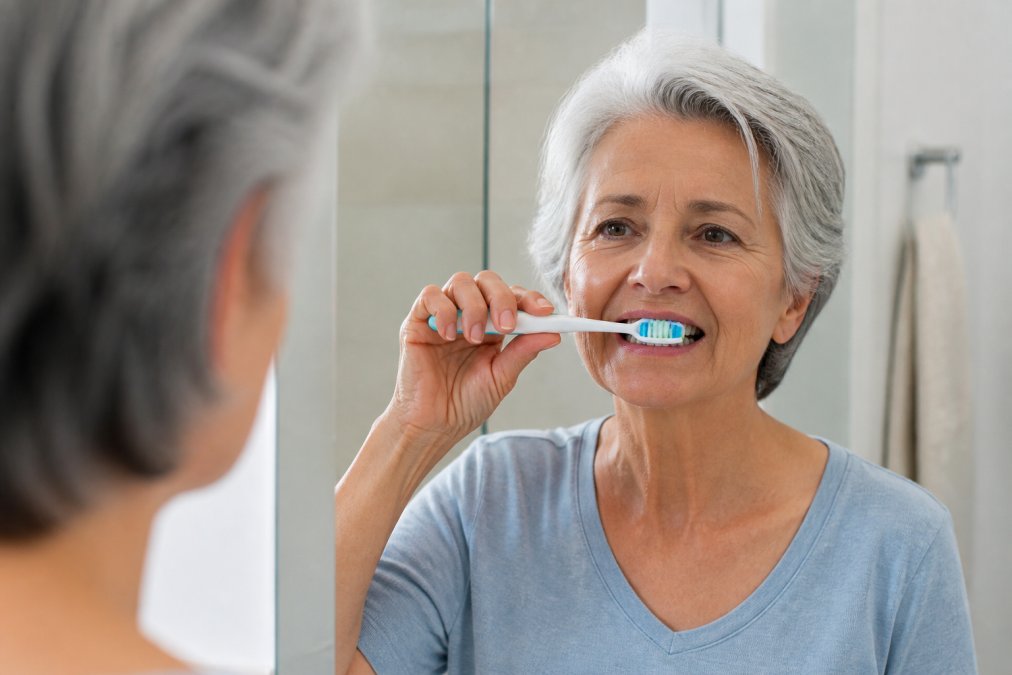
Your daily routine is the foundation of preventive dental care for seniors. Brushing twice daily and flossing once daily remain the gold standard, but the technique matters as much as the frequency.
Use a soft-bristled toothbrush, medium or hard bristles can damage your gums and accelerate recession. An electric toothbrush can be easier to control and more effective at removing plaque, especially if arthritis makes manual brushing difficult. Brush for at least two minutes, angling the brush toward the gum line where plaque accumulates. Don’t scrub hard; use gentle, circular motions.
Flossing is where most people fall short. If traditional floss is difficult to handle, try floss picks, water flossers, or interdental brushes. The goal is to clean between teeth where your toothbrush can’t reach. If you have bridges or implants, ask your dentist which cleaning tools work best for your specific situation.
Rinse with an antimicrobial mouthwash if your dentist recommends it, particularly if you have gum disease or dry mouth. If you wear dentures, clean them daily with a denture brush and denture cleaner, never use toothpaste, which is too abrasive. Soak dentures overnight to keep them moist and prevent warping.
Many seniors find that the right tools make preventive dental care for seniors feel manageable rather than frustrating. Electric toothbrushes with timers, water flossers, and floss picks are worthwhile investments if they help you stick to your routine. At Sendero Dental Studio, we can demonstrate the best technique for your specific situation and recommend tools that work with your physical abilities.
How to Maintain Oral Hygiene with Arthritis
Arthritis makes preventive dental care for seniors challenging because the fine motor control required for brushing and flossing becomes difficult or painful. Your hands may not grip a toothbrush firmly, your wrists may not rotate, or your fingers may be too swollen to manipulate floss.
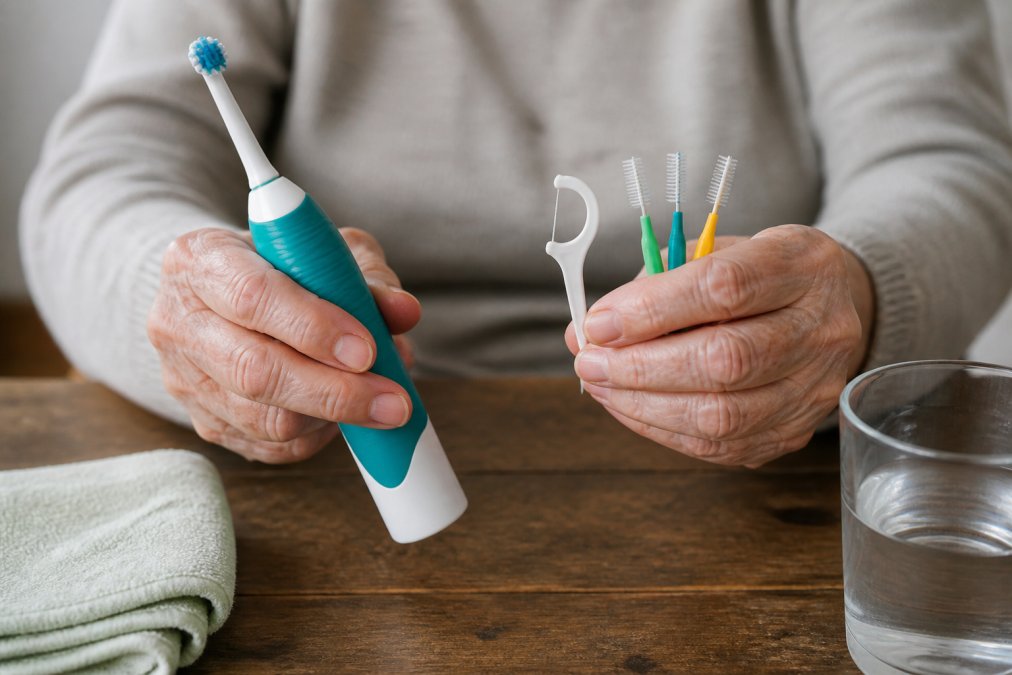
Start by switching to an electric toothbrush with a thick, ergonomic handle. The motor does most of the work, so you don’t need to scrub. Many seniors find that electric toothbrushes are easier to use and more effective than manual brushing. If gripping is still difficult, build up the handle with foam tubing or purchase a toothbrush with an extra-large grip.
For flossing, abandon the idea that you must use traditional floss. Floss picks, water flossers, and interdental brushes all clean between teeth effectively. A water flosser is particularly helpful, you hold a handle and press a button; the water does the cleaning. No dexterity required. Interdental brushes (small brushes that fit between teeth) are easy to manipulate and work well for people with arthritis.
Ask your dentist or hygienist to demonstrate techniques that minimize pain and strain. Sometimes a different angle or grip reduces discomfort significantly. If you live with a caregiver or family member, they can help with flossing or use a water flosser to clean your teeth if you’re unable to do it yourself.
Don’t let arthritis become an excuse to skip oral hygiene. The challenge is real, but solutions exist. Many seniors with severe arthritis maintain excellent preventive dental care for seniors by using adaptive tools and getting help when needed. Your dentist wants to work with you to find an approach that’s sustainable for your situation.
Medicare Dental Coverage for Seniors: What You Need to Know
Dental care is one of the most confusing aspects of Medicare for seniors. Original Medicare (Parts A and B) does not cover routine dental care, cleanings, or preventive services. This gap in coverage leaves many seniors paying out of pocket for the preventive dental care for seniors that they need.
Your coverage options depend on your specific Medicare plan. Some Medicare Advantage plans (Part C) include dental benefits, though coverage varies widely, some plans cover cleanings and exams, others offer limited coverage with annual maximums. Read your plan documents carefully or call your plan to confirm what’s covered before you schedule an appointment.
Dental discount plans are another option. These membership programs offer discounts on dental services (typically 10-60% off) at participating dentists. They’re not insurance, but they can reduce costs significantly. Many seniors use dental discount plans in combination with Medicare Advantage coverage or as a standalone option.
If cost is a barrier, look for community health centers or dental schools in your area. Many offer preventive dental care for seniors at reduced rates. Some dental practices offer uninsured patient specials or payment plans. Don’t avoid preventive care because of cost, a small investment in cleanings and exams prevents much larger expenses down the road.
At Sendero Dental Studio, we work with seniors to understand their coverage and find solutions that fit their budget. We accept many insurance plans and offer options for uninsured patients. The goal is to make preventive dental care for seniors accessible, not a luxury reserved for the wealthy.
Professional Dental Checkups and Preventive Cleanings
Professional cleanings and exams are the cornerstone of preventive dental care for seniors. Your dentist can see problems you can’t see yourself, early decay, gum disease, oral cancer, and other conditions that need treatment.
Most seniors should have professional cleanings and exams twice yearly. If you have gum disease or other risk factors, your dentist may recommend more frequent visits, every three months, for example. These appointments remove tartar buildup that brushing can’t eliminate and give your dentist a chance to screen for serious conditions.
During an exam, your dentist checks for cavities, gum disease, oral cancer, and signs of systemic disease. They may take X-rays to see decay between teeth or below the gum line. They’ll ask about your medications, because many drugs affect oral health. They’ll assess your saliva production and recommend treatments if dry mouth is a problem. This comprehensive approach is what preventive dental care for seniors looks like.
Professional fluoride treatments strengthen your teeth and are particularly important if you have dry mouth or exposed roots. Your dentist may recommend a prescription fluoride rinse or gel to use at home. These are simple interventions that make a real difference in preventing decay.
Don’t skip appointments because you think your teeth are fine. Many dental problems cause no symptoms until they’re advanced. By then, treatment is more complex and expensive. Regular preventive appointments catch problems early when they’re easiest to treat.
Preventive dental care for seniors is an investment in your independence, comfort, and overall health. The routine you build today, daily brushing and flossing, regular professional cleanings, managing medication side effects, and addressing problems early, determines whether you keep your teeth and avoid painful emergencies in your later years. At Sendero Dental Studio, we specialize in helping seniors maintain their oral health with personalized preventive strategies tailored to your specific needs, physical abilities, and health conditions. Request your appointment with our team to develop a preventive plan that works for you.
| Topic | Action | Frequency |
|---|---|---|
| Brushing | Use soft-bristled brush, gentle circular motions | Twice daily, 2 minutes |
| Flossing | Use traditional floss, picks, or water flosser | Once daily |
| Professional cleaning | Schedule with dentist | Every 6 months (or every 3 months if gum disease) |
| Fluoride treatment | Apply prescription fluoride or rinse | As recommended by dentist |
| Medication review | Discuss side effects with doctor and dentist | Annually or when medications change |
| Dry mouth management | Stay hydrated, use sugar-free lozenges, saliva substitutes | Daily |
Frequently Asked Questions
How often should seniors visit the dentist for preventive dental care?
Most seniors benefit from dental checkups twice yearly, though those with gum disease, diabetes, or other chronic conditions may need more frequent visits. Your dentist can recommend the right schedule based on your individual risk factors. Regular professional cleanings remove tartar buildup that brushing alone cannot eliminate, helping prevent periodontal disease and tooth decay.
Does Medicare cover routine preventive dental care for seniors?
Original Medicare does not cover routine dental care, cleanings, or exams. However, some Medicare Advantage plans include dental benefits, and you may qualify for coverage through state Medicaid programs or community health centers. Contact your plan provider or visit Medicare.gov to check what dental services are covered under your specific plan.
What are the most common dental issues seniors face?
Common dental problems in older adults include gum recession, root caries, dry mouth (xerostomia), tooth decay, and periodontal disease. Medication side effects often contribute to these issues. Early detection through regular oral cancer screening and professional cleanings helps prevent serious complications. Many of these conditions are manageable with proper preventive dental care and good oral hygiene habits.
How does arthritis affect oral hygiene, and what can help?
Arthritis can make gripping a standard toothbrush painful and limit hand movement. Electric toothbrushes with thick grips require less hand strength, while floss holders and water flossers eliminate the need for fine motor control. Interdental cleaning tools designed for easier handling also help maintain oral hygiene. Ask your dentist about adaptive devices that work best for your specific limitations.
This article was written using GrandRanker