
What Is Oral Sedation Dentistry? A 2026 Patient Guide
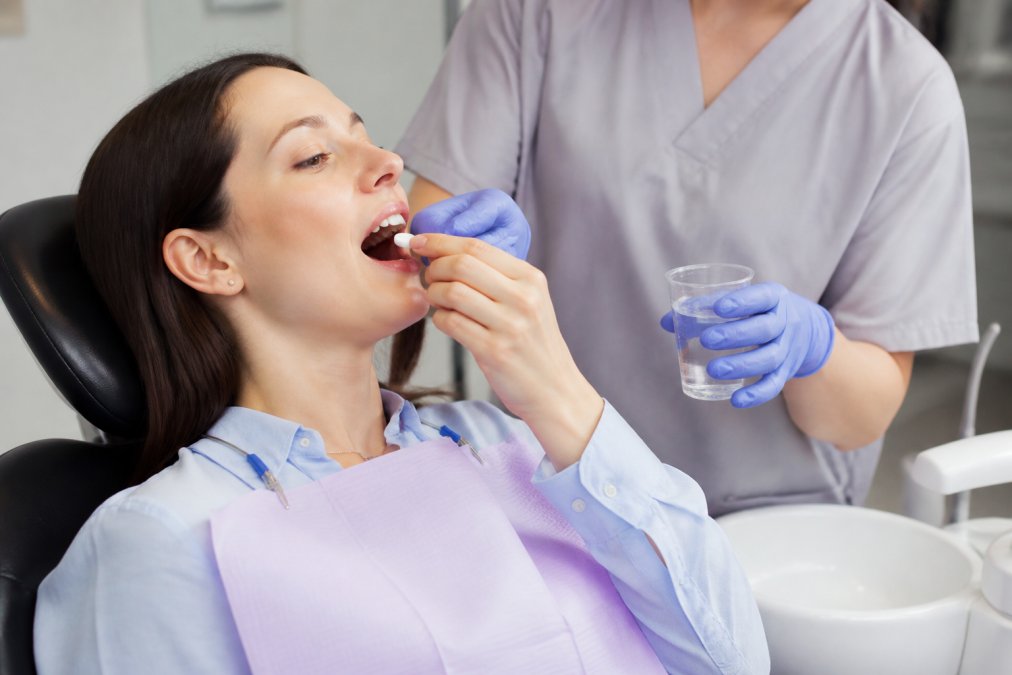
Table of Contents
- What Is Oral Sedation Dentistry and How Does It Work?
- Benefits of Oral Sedation for Dental Anxiety
- Who Is a Good Candidate for Oral Conscious Sedation?
- Preparing for Oral Sedation Dentistry: A Step-by-Step Checklist
- Oral Sedation vs IV Sedation: Key Differences
- Oral Sedation Recovery Time and What Happens After
- Safety, Side Effects, and Monitoring During Treatment
- Financial and Insurance Coverage for Oral Sedation
- Frequently Asked Questions
Last Updated: September 15, 2026
What Is Oral Sedation Dentistry and How Does It Work?
Oral sedation dentistry is a technique where a dentist gives you a prescription medication before treatment to reduce anxiety and keep you comfortable during the procedure. You stay awake, but you feel relaxed, drowsy, and often remember very little afterward.
This guide covers what the medication does, who it suits, how to prepare, and what recovery looks like.
The medication usually belongs to a class called benzodiazepines. These drugs produce anxiolysis, which means they quiet the anxiety response without knocking you out. Common options include triazolam, diazepam, and lorazepam. A dentist may also combine the pill with nitrous oxide for a deeper calming effect.
The Role of Benzodiazepines and Anxiolysis
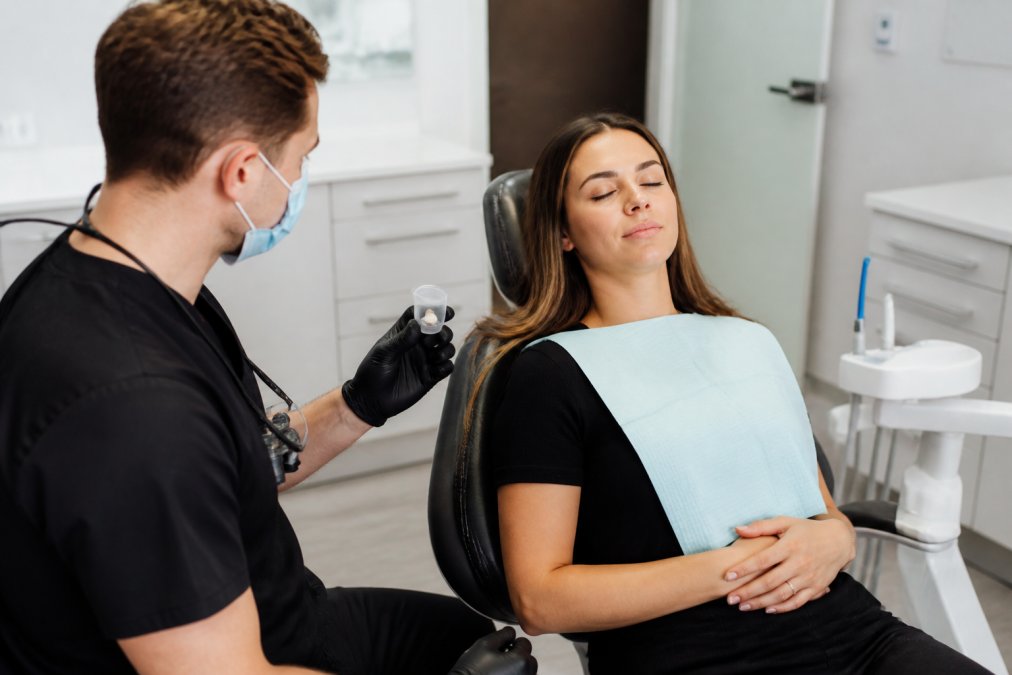
Benzodiazepines enhance the effect of a natural calming chemical in the brain. The result is reduced dental anxiety, mild drowsiness, and often partial amnesia of the appointment. You can still respond to instructions and hold your mouth open on request.
The American Dental Association’s guidance on sedation and anesthesia outlines the training and monitoring standards dentists follow when using these medications.
Benefits of Oral Sedation for Dental Anxiety
The biggest benefit is simple: you get treatment done without the panic that keeps you out of the chair. Patients with dental phobia often avoid care for years, which lets small problems grow into painful, expensive ones.
Other benefits include:
- Reduced gag reflex, which helps with X-rays and impressions
- Fewer appointments needed for longer procedures
- A pill is easier to accept than an IV for nervous patients
- Less memory of the procedure afterward
A common mistake is waiting until pain forces the issue. Sedation works best as a planned option, not an emergency fix.
Who Is a Good Candidate for Oral Conscious Sedation?
Most healthy adults with mild to moderate dental anxiety are good candidates. So are patients who need longer restorative work, have a strong gag reflex, or want several treatments combined into fewer visits.
Oral conscious sedation is not right for everyone. A dentist will review your health history, medications, and airway before prescribing. Pregnant patients, people with certain breathing conditions, and those with specific drug sensitivities may need a different approach.
Pediatric vs. Adult Protocols
Children are not simply given a smaller adult dose. Pediatric protocols weigh body weight, development, and the child’s ability to cooperate, and they often require a parent present throughout.
Adults generally receive a fixed dose based on health status and anxiety level. The key difference is monitoring intensity and how the dose is calculated. Both require a responsible adult to drive the patient home.
Preparing for Oral Sedation Dentistry: A Step-by-Step Checklist
Preparation matters more than most patients expect. Follow these steps:
- Arrange a driver. You cannot drive for the rest of the day.
- Skip food and drink for the fasting window your dentist specifies.
- List every medication, supplement, and recreational substance you use.
- Report sleep apnea, asthma, or any breathing condition.
- Wear loose, comfortable clothing with short sleeves.
- Leave the day open. Do not schedule work or childcare afterward.
- Ask your dentist whether a companion should stay during treatment.
Drug Interactions and Contraindications to Discuss
This is the part patients skip, and it is the part that matters most. Benzodiazepines interact with opioids, sleep aids, certain antidepressants, and alcohol (the FDA). Combining them can dangerously depress breathing.
Contraindications include untreated sleep apnea, severe liver or kidney disease, and some neuromuscular conditions. Tell your dentist about everything, including over-the-counter sleep aids and herbal supplements. Honesty here is not optional.
Oral Sedation vs IV Sedation: Key Differences
The choice between oral sedation and IV sedation comes down to three things: how fast the drug acts, whether the dentist can adjust the level mid-procedure, and how much monitoring the patient needs. Understanding the mechanism behind each makes the trade-off clearer.
With oral sedation, you swallow a pill, usually a benzodiazepine such as triazolam, diazepam, or lorazepam, roughly an hour before your appointment. The drug is absorbed through the stomach and small intestine, so onset depends on how fast your digestive system is working that day. That variability is the main limitation: once the pill is swallowed, the dose cannot be dialed back or topped up in real time. The depth is typically minimal to moderate, meaning you stay responsive but relaxed.
With IV sedation, the drug (commonly midazolam) enters the bloodstream directly through a catheter, so it takes effect within minutes. The dentist can titrate, meaning adjust the dose incrementally, to match your response moment to moment. That control allows for deeper sedation and is why IV sedation is often recommended for severe anxiety, very long procedures, or patients who cannot reliably swallow a pill on schedule.
The trade-off is not just depth. IV sedation generally requires a higher level of monitoring, and in many states a dentist must hold a specific permit or work with an anesthesiologist to administer it. Oral sedation, by contrast, is more widely offered in general dental offices because it carries a lower monitoring burden, but that also means less real-time control.
| Feature | Oral Sedation | IV Sedation |
|---|---|---|
| How it’s given | Pill swallowed about an hour before | Intravenous line placed at the office |
| Depth | Minimal to moderate | Moderate to deep |
| Onset | Slower, varies with digestion | Within minutes |
| Adjustable mid-procedure | No | Yes, via titration |
| Monitoring level | Pulse oximetry, consciousness checks | Continuous monitoring, often a dedicated sedation team |
| Typical setting | General dental office | Office with sedation permit or specialist |
| Best for | Mild to moderate anxiety, shorter visits | Severe anxiety, long or complex procedures |
A third option worth knowing: nitrous oxide (laughing gas) is even lighter than oral sedation, wears off within minutes, and lets you drive yourself home. It is often used as a stepping stone for patients who are nervous but not phobic.
If you have ever had a panic attack in a dental chair, say so plainly at your consultation. That single detail changes which option your dentist recommends, and it may push the recommendation from oral toward IV.
One practical note: the phrase “oral conscious sedation” is sometimes used interchangeably with “oral sedation,” but the word “conscious” is doing real work. It signals that you remain awake and able to respond, unlike general anesthesia where you are fully unconscious.
Oral Sedation Recovery Time and What Happens After
A few factors can stretch this timeline:
Plan for:
Driving yourself home after oral sedation is not a minor risk. Sedatives slow reaction time even when you feel fine, and it puts you and others on the road in danger. Arrange your ride before the appointment, not after.
Safety, Side Effects, and Monitoring During Treatment
Financial and Insurance Coverage for Oral Sedation
Ask two questions before scheduling:
Frequently Asked Questions
Are you awake during oral sedation?
Yes, you remain conscious during oral sedation dentistry, though you will feel drowsy and relaxed. The medication produces minimal to moderate sedation, so you can respond to your dentist’s instructions. Many patients experience partial amnesia and remember little of the appointment afterward. A pulse oximeter and vital signs monitoring keep your dentist informed throughout the procedure.
Is oral sedation safe for dental work?
Oral sedation is widely used and considered safe for most healthy adults and children when prescribed and monitored properly. Your dentist reviews your medical history, current prescription medication, and any contraindications before deciding on a dose. Vital signs and oxygen levels are tracked during treatment. Serious side effects are uncommon, but you must arrange transportation home afterward because drowsiness can linger for hours.
How long does oral sedation last after the procedure?
The effects typically fade within a few hours, but oral sedation recovery time varies by dose, your metabolism, and the specific benzodiazepine used. Most patients feel alert enough to walk with assistance within 2 to 4 hours, though residual drowsiness can last longer. Plan to rest at home for the remainder of the day and avoid driving, operating machinery, or making important decisions until the following day.
What are the potential downsides of oral sedation?
Common side effects include drowsiness, dull senses, headache, and dry mouth. Some patients experience nausea or hiccups. Because the medication is swallowed rather than delivered intravenously, the onset is slower and the dose is harder to adjust mid-procedure compared with IV sedation. You will also need a companion to drive you home, and you should not eat beforehand per your dentist’s pre-operative instructions.
Who is a good candidate for oral conscious sedation?
Good candidates include adults and children with dental anxiety or dental phobia, patients with a strong gag reflex, those needing lengthy procedures, and anyone who has had a previous negative dental experience. Your dentist will screen for contraindications such as certain drug interactions, sleep apnea, pregnancy, or significant medical conditions. A consultation is the best way to confirm whether oral sedation suits your situation.
How is preparing for oral sedation dentistry different from a regular visit?
Preparing for oral sedation dentistry involves a few extra steps. You will typically be asked to fast for a set number of hours before the appointment, arrange for a responsible adult to drive you home, and wear comfortable clothing. Your dentist may adjust or pause certain prescription medications beforehand. Follow all pre-operative instructions closely to reduce risks and improve how well the sedation works.
Dental anxiety keeps too many people away from care until a small problem becomes an emergency. Sedation options exist precisely so that fear does not have to decide your treatment plan. Sendero Dental Studio offers same-day emergency care, comprehensive family dentistry, and a comfortable, health-centered approach for patients who have avoided the dentist for years. Request your appointment and let our team build a plan that fits your comfort level, your schedule, and your budget.