
When Should a Child See a Dentist for the First Time?
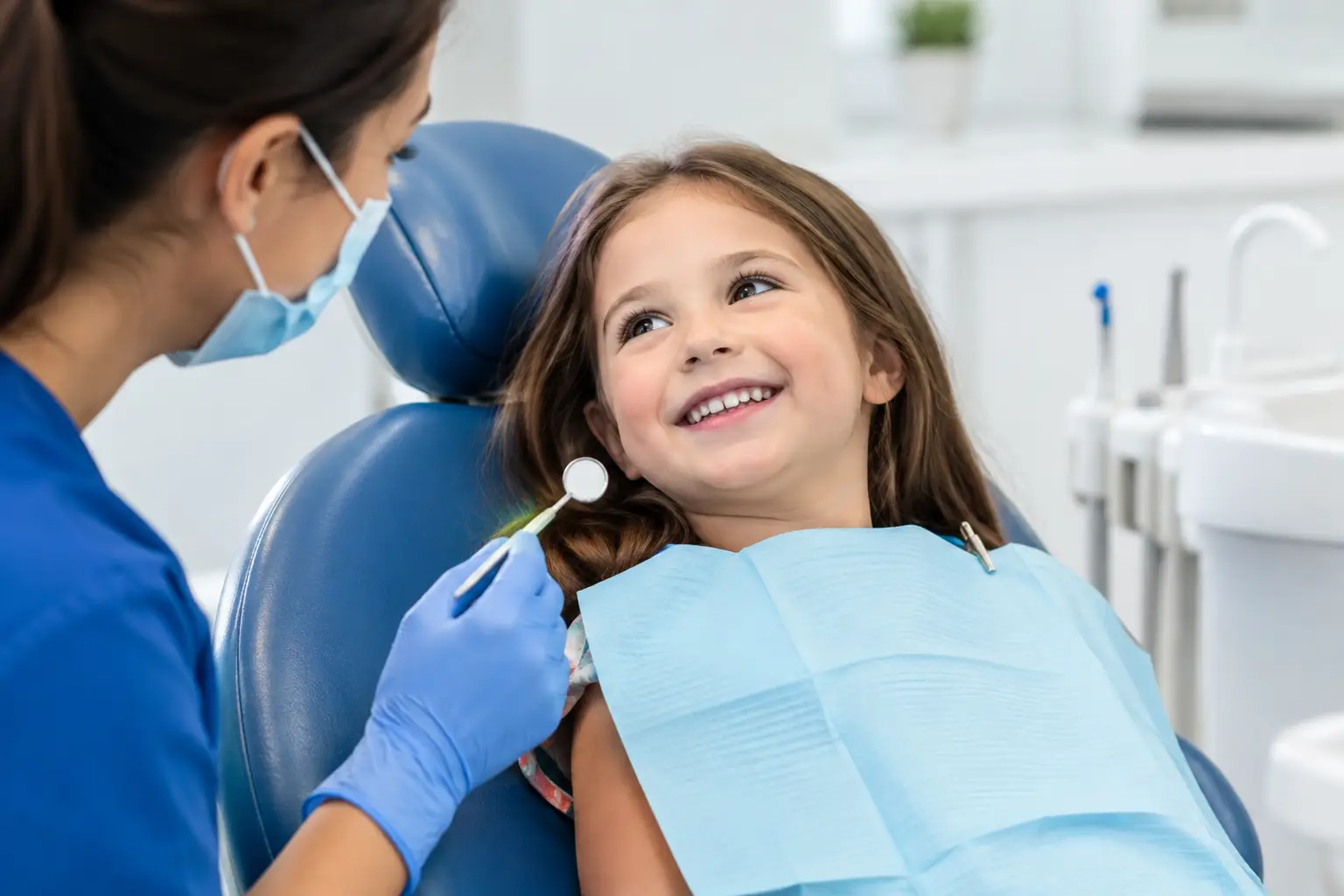
A tiny first tooth can arrive with a big question: when should a child see a dentist? The answer is earlier than many parents expect. A first dental visit is recommended by your child’s first birthday, or within six months after the first tooth appears, whichever comes first. That early appointment is not about filling a child’s schedule with more to-dos. It is a chance to make sure their smile is developing well and to give your family practical guidance before a small concern becomes a painful one.
For families in Rancho Mission Viejo and across South Orange County, choosing a dental home early can also make future visits feel familiar. Children who see the dentist as part of normal family care often have an easier, more confident experience as they grow.
When Should a Child See a Dentist for the First Time?
The American Academy of Pediatric Dentistry recommends a dental visit by age 1. Even if only one or two teeth are visible, those teeth can develop cavities. Tooth decay is one of the most common chronic childhood conditions, and it can progress quickly in baby teeth because their enamel is thinner than adult enamel.
At the first visit, the dental team will usually look at your child’s gums, teeth, bite, and jaw development. They may check for early decay, discuss feeding and brushing routines, and identify habits that could affect the teeth or bite later, such as thumb sucking or prolonged pacifier use.
Just as valuable, the appointment gives parents room to ask questions without guessing. Is that white spot on a front tooth normal? Is fluoride toothpaste safe? How should you clean a toddler’s teeth when they refuse to sit still? A trusted dental team can offer clear, personalized answers.
Why Baby Teeth Need Professional Care
Baby teeth may be temporary, but they have important work to do. They help children chew comfortably, speak clearly, and hold space for permanent teeth. When a baby tooth is lost too early because of decay or infection, nearby teeth can shift. That may create crowding or bite concerns as adult teeth come in.
Untreated cavities can also cause toothaches, difficulty eating, sleep disruptions, and missed school. In some cases, an infection can become serious enough to require urgent treatment. Preventive visits are designed to help families avoid that path whenever possible.
Early visits are also about familiarity. A calm, positive appointment lets your child meet the team, ride in the dental chair, and learn that the office is a safe place. Not every young child will love every part of a visit, and that is okay. A patient, child-friendly approach respects their pace while building trust over time.
What Happens at a Child’s First Dental Visit?
A first visit is usually brief, gentle, and adapted to your child’s age and comfort level. For infants and toddlers, a parent may hold the child during the exam. The dentist will count teeth, examine the gums and soft tissues, evaluate the bite, and look for signs of decay or enamel concerns.
Depending on your child’s age, risk factors, and ability to cooperate, the visit may include a light cleaning or fluoride treatment. Dental X-rays are not automatically needed at every first appointment. They are recommended only when they can provide useful information that cannot be seen during the visual exam, such as decay between teeth or concerns about development.
Parents should expect a conversation, not just an examination. Your dentist may ask about breastfeeding or bottle use, snacks and drinks, medication, fluoride exposure, brushing habits, pacifier use, and family dental history. Honest answers help create the right preventive plan for your child.
How Often Should Children Go to the Dentist?
After the first visit, most children benefit from checkups every six months. This schedule allows the dental team to monitor changing teeth, remove plaque buildup, reinforce healthy habits, and catch concerns early.
That said, every child is different. A child with a history of cavities, weak enamel, orthodontic concerns, frequent sugary snacks, or a medical condition that affects oral health may need more frequent visits. Your dentist can recommend a schedule based on your child’s specific needs rather than a one-size-fits-all calendar.
Regular visits also make dental care more predictable for busy families. Instead of waiting for pain or a visible problem, you have a routine place to turn for preventive care, questions, and guidance at every stage of your child’s development.
Signs Your Child Should See a Dentist Sooner
Do not wait for a scheduled checkup if your child seems uncomfortable or you notice a change in their mouth. Children do not always describe dental pain clearly. They may avoid chewing on one side, wake up at night, become unusually irritable, or resist brushing.
Call a dentist promptly if you notice any of the following:
- A toothache, sensitivity, or pain when chewing
- White, brown, or black spots on a tooth
- Swollen, bleeding, or tender gums
- A chipped, cracked, loose, or knocked-out tooth after a fall
- Facial swelling, fever, or a pimple-like bump on the gums
- Persistent bad breath that does not improve with brushing
Facial swelling, fever, trouble swallowing, or difficulty breathing can signal a more serious infection and should be treated as urgent. Same-day dental guidance can make a meaningful difference when your child is in pain or has a dental injury.
Building Healthy Habits Between Visits
The daily routine at home matters just as much as the checkup. Before teeth appear, gently wipe your baby’s gums with a clean, damp cloth after feedings. Once the first tooth comes in, brush twice a day with a soft, age-appropriate toothbrush and a smear of fluoride toothpaste about the size of a grain of rice.
At age 3, use a pea-sized amount of fluoride toothpaste and help your child brush until they have the coordination to do it well independently. For many children, that means parental help through about age 7 or 8. Encourage them to spit out the toothpaste, but do not worry if a young child cannot rinse perfectly.
Water between meals is a simple habit that supports oral health. Frequent sipping on juice, sports drinks, sweetened milk, or other sugary beverages exposes teeth to repeated acid attacks. The same is true of grazing on sticky or sugary snacks throughout the day. These foods do not need to be forbidden, but timing matters. Offering them with meals instead of as all-day snacks can be gentler on teeth.
If your child’s teeth touch side by side, begin flossing those areas once a day. Cavities often begin between teeth, where a toothbrush cannot fully reach.
Preparing Your Child for a Positive Visit
Keep your explanation simple and upbeat. You might say, “The dentist will count your teeth and help keep your smile healthy.” Avoid using frightening words such as shot, drill, or hurt, even if you are trying to reassure them. Let the dental team explain anything more involved in child-friendly language.
Try to schedule at a time when your child is generally rested and fed. Bringing a favorite small comfort item can help younger children feel secure. Most importantly, treat the appointment as a normal family activity rather than a test they need to pass. Some children are chatty, some are cautious, and some need time. All of those responses are normal.
At Sendero Dental Studio, families can find attentive, modern care designed to help children and parents feel heard from the first visit forward. Starting early gives your child more than a clean smile. It gives them a familiar place, caring people, and a healthy foundation they can carry into adulthood.