
When Should Wisdom Teeth Be Removed Safely?
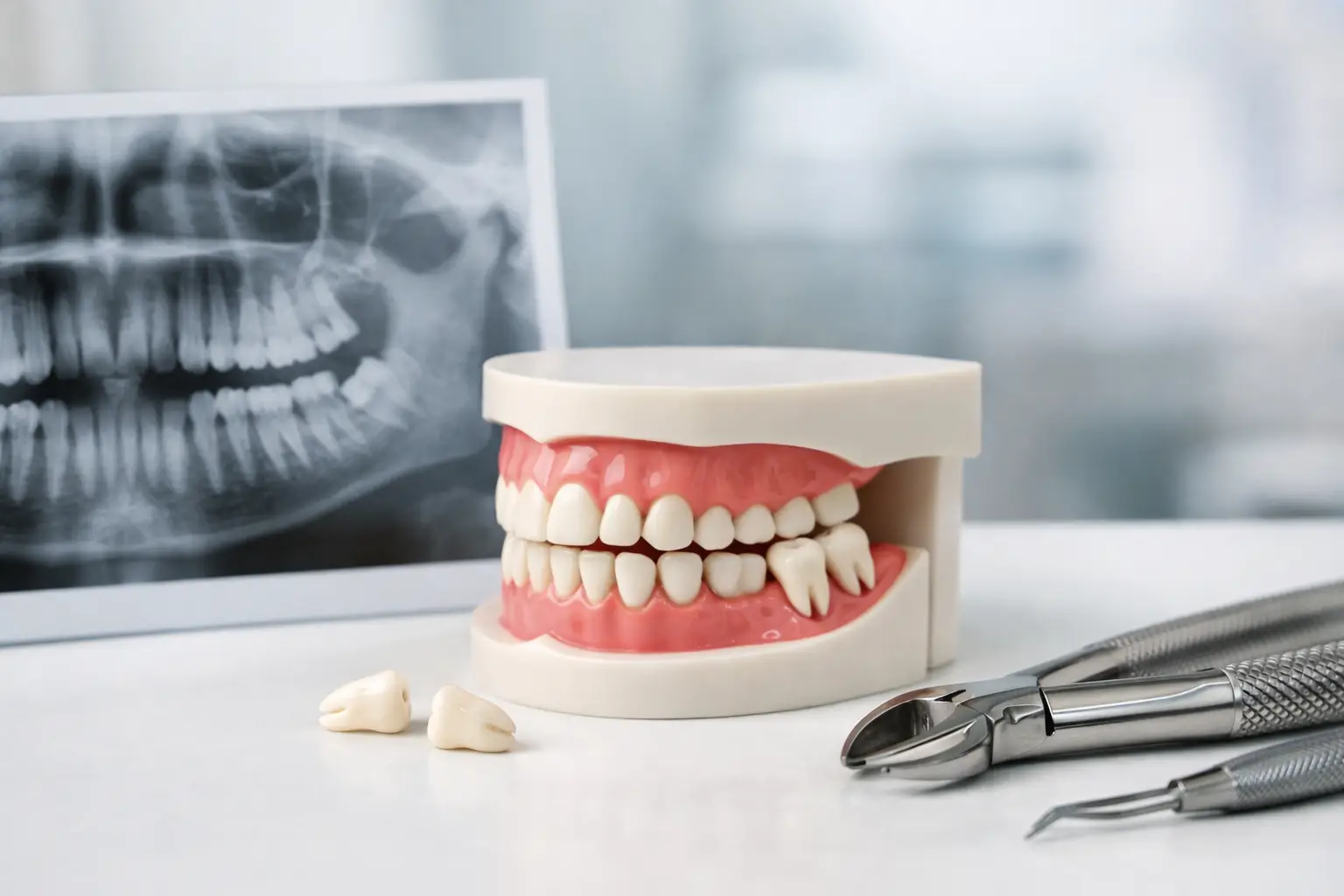
Wisdom teeth can stay quiet for years, then suddenly cause a sore jaw, swollen gums, or a hard-to-ignore ache near the back of the mouth. That is why parents and young adults often ask when wisdom teeth should be removed. The answer is not based on age alone. It depends on how the teeth are developing, whether there is enough room for them, and whether they are creating a current or future risk to your oral health.
At Sendero Dental Studio, we take a personal approach to wisdom teeth care. A careful exam and digital imaging help us understand what is happening below the gumline, then we can recommend whether monitoring or removal is the better choice for you or your family member.
When Should Wisdom Teeth Be Removed?
Wisdom teeth, also called third molars, are the last permanent teeth to develop. They typically begin appearing between the late teens and mid-20s, although development varies from person to person. Some come in normally and remain healthy for life. Others are blocked by bone, gums, or neighboring teeth and may never fully erupt.
Removal may be recommended when a wisdom tooth is causing pain, damaging nearby teeth, contributing to repeated gum infections, or showing signs that it is unlikely to erupt in a healthy position. A tooth does not need to hurt before it becomes a concern. X-rays can reveal problems that are not yet visible or painful, such as a tooth pressing against the roots of the molar in front of it.
For many patients, the best time for a consultation is during the teenage years or early 20s, when the roots are still developing and the jawbone is generally less dense. This does not mean everyone needs early removal. It simply gives your dentist a chance to plan ahead rather than wait for an emergency.
Signs a Wisdom Tooth May Need Attention
Persistent discomfort at the back of the jaw is one reason to schedule an exam, but it is not the only one. Swollen or tender gum tissue, bad breath or an unpleasant taste that does not go away, trouble opening the mouth fully, and pain when chewing can all point to inflammation or infection around a partially erupted wisdom tooth.
You may also notice food repeatedly getting trapped behind your last molar. This area can be difficult to brush and floss, especially when a wisdom tooth has only partially come through. Bacteria can collect beneath the gum flap around the tooth, leading to a condition called pericoronitis. It can cause swelling, tenderness, and occasionally a more serious infection.
A dentist may recommend removal if imaging shows decay in a wisdom tooth or the tooth beside it, gum disease around the area, a cyst, or a position that threatens the neighboring molar. Protecting the healthy tooth in front is often a major reason for acting before symptoms become severe.
Impacted Teeth Are Not Always an Emergency
An impacted wisdom tooth is one that cannot fully erupt into its proper position. It may be angled forward, backward, sideways, or remain completely under the gums. Some impacted teeth can be monitored if they are fully enclosed, symptom-free, and not harming surrounding structures.
However, monitoring only works when patients maintain regular dental visits and periodic X-rays as recommended. A quiet wisdom tooth can still change over time. If it becomes harder to clean, begins pressing against another tooth, or develops signs of disease, removal may become the healthier option.
Why Timing Can Make a Difference
Wisdom tooth removal is often simpler earlier in adulthood because roots may not yet be fully formed. Younger patients also tend to heal more quickly and may have a lower risk of certain complications. Still, age is only one factor. Plenty of adults have wisdom teeth removed successfully, including patients in their 30s, 40s, and beyond.
The trade-off is straightforward: removing a tooth before it causes damage may prevent pain, infection, or harm to the neighboring molar, but surgery is not automatically necessary for every person. A thoughtful evaluation considers your X-rays, medical history, symptoms, oral hygiene, and comfort level. The goal is never to recommend treatment simply because wisdom teeth exist. The goal is to protect your long-term oral health.
What Happens During a Wisdom Teeth Evaluation?
A wisdom teeth consultation usually begins with a conversation about symptoms and health history. Your dental team will examine the gums and back teeth, then take or review digital X-rays to see the position of each wisdom tooth, root development, bone levels, and its relationship to nearby nerves and teeth.
From there, your dentist can explain whether the teeth should be watched, removed soon, or treated only if symptoms develop. If removal is recommended, you should receive clear guidance about the procedure, anesthesia or sedation options, expected recovery, and any steps needed to prepare.
This is also the time to ask practical questions. Can all wisdom teeth be removed in one visit? Will you need time away from school or work? What pain-control options are appropriate for you? Patients deserve answers that feel clear and respectful, especially when dental treatment brings understandable anxiety.
What to Expect if Wisdom Teeth Are Removed
The procedure can range from a relatively simple extraction to a surgical removal for teeth that are impacted beneath the gums. Your comfort is a priority throughout the process. Depending on the complexity of the case and your needs, treatment may involve local anesthesia, sedation dentistry, or both.
After the extraction, most people experience some swelling, tenderness, and minor bleeding for the first day or two. Cold compresses, prescribed or recommended medication, rest, and soft foods can make recovery more comfortable. Your dentist will provide specific aftercare instructions, including how to protect the blood clot that forms in the socket as the area heals.
Avoid smoking, using straws, vigorous rinsing, and strenuous exercise right after surgery because these actions can disrupt healing. Contact your dental office if pain worsens after a few days, bleeding does not slow, swelling becomes severe, or you develop a fever. Prompt support can help address concerns before they become more complicated.
Can Wisdom Teeth Stay In?
Yes. If wisdom teeth have fully erupted, are properly positioned, can be cleaned well, have healthy gums around them, and are not damaging other teeth, they may not need to be removed. Regular checkups remain essential because the far back of the mouth is easy to overlook at home.
For teens and young adults, routine exams create an opportunity to follow development before problems begin. For adults who still have their wisdom teeth, periodic imaging can confirm that the teeth remain stable and healthy. This kind of preventive attention is especially valuable when there is no pain, since many dental concerns start quietly.
If you are noticing discomfort, swelling, or repeated trouble around the back of your mouth, do not wait for the pain to become overwhelming. A timely evaluation can replace uncertainty with a clear, comfortable plan for protecting your smile.