
Signs of a Cracked Tooth You Shouldn’t Ignore
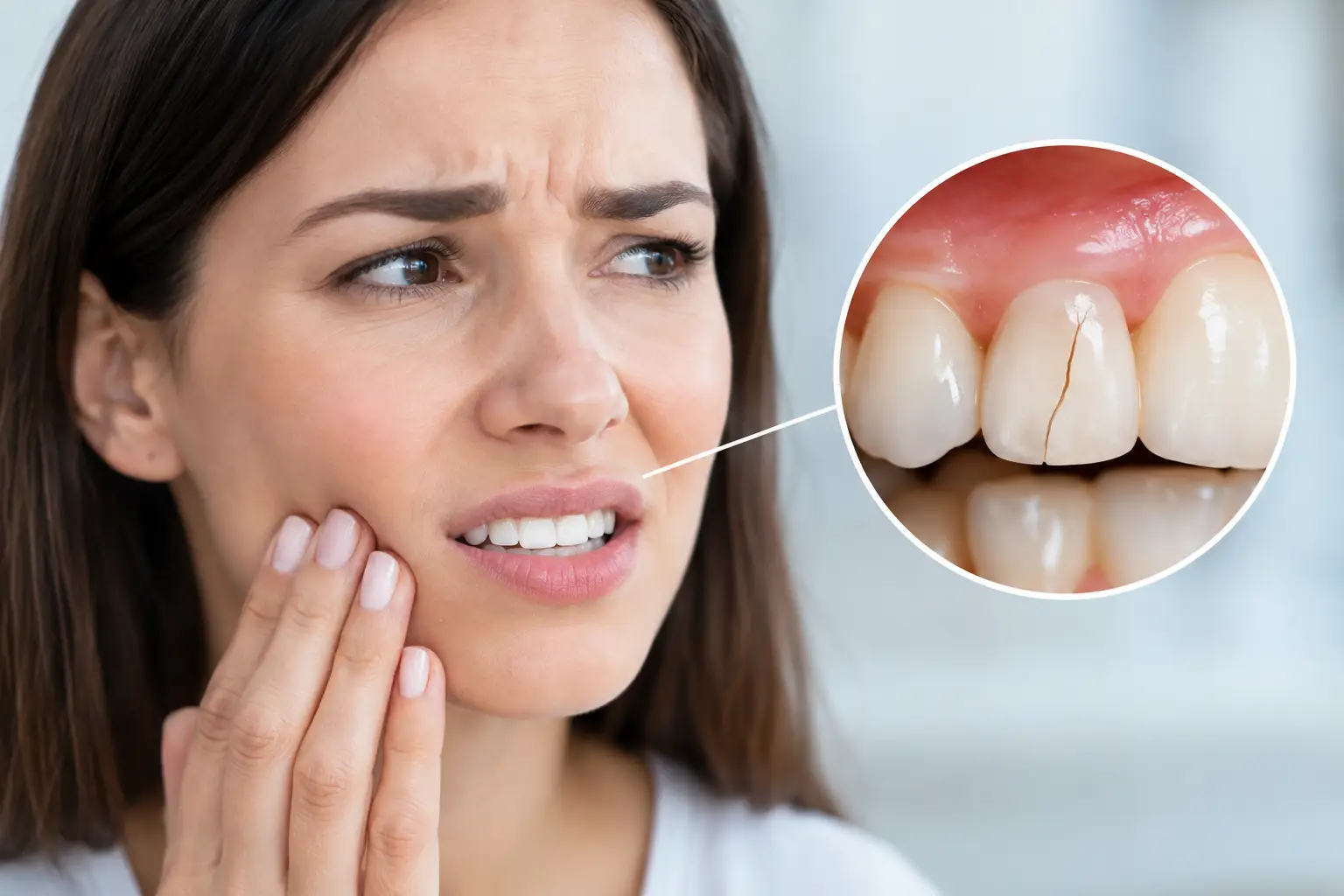
That sharp twinge when you bite into a sandwich, followed by hours or days of feeling completely fine, can be frustrating and easy to dismiss. But intermittent pain is one of the most common signs of cracked tooth. A crack may be too small to see in the mirror, yet still let pressure, bacteria, or temperature changes reach the sensitive inner layers of the tooth.
A cracked tooth does not always feel like a classic toothache. Symptoms can be subtle, unpredictable, and different from one person to the next. Knowing what to watch for can help you seek care before a manageable repair becomes a more complicated emergency.
Signs of a Cracked Tooth
Pain when chewing or releasing your bite
Pain with biting is often the symptom patients notice first. You may feel a brief, pinpointed jolt when you chew on one side of your mouth. Sometimes the discomfort happens when you release your bite rather than when you close down.
This occurs because chewing forces can cause the separated parts of a cracked tooth to shift slightly. The movement can irritate the tissue inside the tooth, where the nerve and blood vessels are located. The pain may not happen with every bite, which is why many people have trouble identifying the exact tooth at home.
Sensitivity to cold, heat, or sweets
A tooth that suddenly reacts to ice water, coffee, or sugary foods may have a crack, especially if the sensation lingers after the trigger is gone. Sensitivity can also occur with cavities, worn enamel, gum recession, or a failing filling, so it is not proof of a crack on its own. It is still worth having checked, particularly when the sensitivity is new or focused on one tooth.
Short sensitivity that fades quickly may indicate minor irritation. A stronger or lingering response can mean the inner pulp is inflamed and needs prompt attention.
Pain that comes and goes
A cracked tooth can be confusing because it may feel normal for long stretches of time. You might avoid a certain food, change how you chew, and assume the concern has resolved. In reality, the crack can continue to deepen each time the tooth is placed under pressure.
If a recurring toothache seems to appear without a clear pattern, do not wait for it to become constant. Intermittent symptoms are still symptoms, and early evaluation offers more options for preserving the natural tooth.
A rough edge, visible line, or changed shape
Some cracks are visible as a fine line in the enamel, while others are hidden beneath the gumline or under an existing restoration. You may notice a rough spot with your tongue, a sharp edge that catches on floss, or a piece of tooth that feels different from before.
Not every line on a tooth is a harmful crack. Tiny surface lines, often called craze lines, are common in adult enamel and may be primarily cosmetic. A dental exam can determine whether a line is limited to the surface or extends into a deeper part of the tooth.
Swelling, gum tenderness, or a small pimple near the tooth
When a crack allows bacteria to enter the tooth, an infection can develop. Tender gums, swelling around one tooth, a bad taste, or a small bump on the gum may signal drainage from an infection. These symptoms need timely dental care.
Facial swelling, fever, trouble swallowing, or difficulty breathing requires urgent medical attention. Dental infections can spread, and they should never be treated as something that will simply go away on its own.
Why Teeth Crack
Teeth are strong, but they are not indestructible. Cracks often result from a combination of everyday forces over time rather than one dramatic incident. Chewing ice, hard candy, popcorn kernels, nuts, or nonfood items can create enough force to chip or crack a tooth. An accident, sports injury, or fall can do the same.
Teeth that have large fillings are more vulnerable because less natural tooth structure remains to support the biting forces. Untreated decay can weaken a tooth as well. Clenching and grinding, especially during sleep, place repeated pressure on the teeth and can gradually create or worsen cracks.
Temperature changes can also play a role. Repeatedly moving from hot foods to very cold drinks causes teeth and restorations to expand and contract at slightly different rates. That does not mean you need to avoid every cold beverage, but it helps explain why an already weakened tooth can become symptomatic over time.
What Happens at a Dental Visit
Finding a cracked tooth can take more than a quick visual check. The crack may be extremely narrow, hidden below the gumline, or covered by an old filling or crown. Your dental team will ask about when the pain occurs, examine the tooth and surrounding gums, and check how it responds to gentle biting pressure and temperature testing.
Digital X-rays are useful for evaluating the roots, bone, and signs of infection, though not every crack appears directly on an X-ray. A close examination, magnification, and your description of the symptoms all help create an accurate diagnosis.
This is one reason not to rely on home tests. Biting down on hard objects or repeatedly exposing a painful tooth to hot and cold foods can worsen discomfort without identifying the source. A professional evaluation is safer and more reliable.
Treatment Depends on How Deep the Crack Goes
The goal is to stabilize the tooth and protect it from further damage whenever possible. Treatment depends on the location, depth, and direction of the crack, as well as whether the pulp has been affected.
A small chip or superficial crack may only need smoothing, bonding, or monitoring. If the tooth has lost more structure, a filling or crown may restore its shape and hold the tooth together during normal chewing. Crowns are often recommended when a crack threatens to spread across a back tooth that handles significant bite pressure.
If the crack reaches the pulp, root canal treatment may be needed before the tooth is restored with a crown. Root canal therapy removes infected or inflamed tissue inside the tooth while allowing the natural root to remain in place.
Some cracks extend too far below the gumline or split the tooth into separate sections. In those cases, the tooth may not be savable and extraction could be the healthiest option. If extraction is necessary, your dentist can discuss replacement choices such as a bridge, dental implant, or another restoration that fits your needs and long-term goals.
There is no single treatment for every cracked tooth. Acting early usually gives your dental team more opportunity to use conservative treatment, but the right recommendation should be based on a careful diagnosis, not guesswork.
What to Do Until You Can Be Seen
If you suspect a crack, chew on the other side of your mouth and choose softer foods until your appointment. Avoid ice, hard candy, sticky foods, and anything that creates sharp pressure on the tooth. If a piece of tooth has broken off, save it if you can and bring it with you.
For discomfort, follow the directions on an over-the-counter pain reliever that is safe for you. Do not place aspirin directly on the tooth or gum tissue, as this can cause a chemical burn. Keep brushing gently and floss carefully so food debris does not collect around the area.
Call promptly if pain is severe, swelling develops, a tooth feels loose, or you cannot chew comfortably. Sendero Dental Studio offers family-focused care and can help assess dental concerns before they have more time to progress.
A cracked tooth is not always obvious, and waiting for unmistakable pain can cost valuable time. If one tooth keeps reacting when you chew or drink something cold, trust that change and schedule an evaluation. A calm, timely visit can protect your comfort now and help preserve your smile for years ahead.