
Dental Crown Treatment Guide for Your Next Steps
A tooth can look mostly normal and still be too weak to trust. A large filling, deep crack, root canal, or years of wear can leave it vulnerable to breaking when you bite down. This dental crown treatment guide explains how crowns protect damaged teeth, what the process feels like, and how to make a confident decision about your care.
A crown is not a one-size-fits-all recommendation. The right treatment depends on how much healthy tooth structure remains, the condition of the nerve and gums, your bite, and the role that tooth plays in your smile. A thoughtful exam helps determine whether a crown is the best way to preserve your natural tooth or whether another option makes more sense.
What Is a Dental Crown?
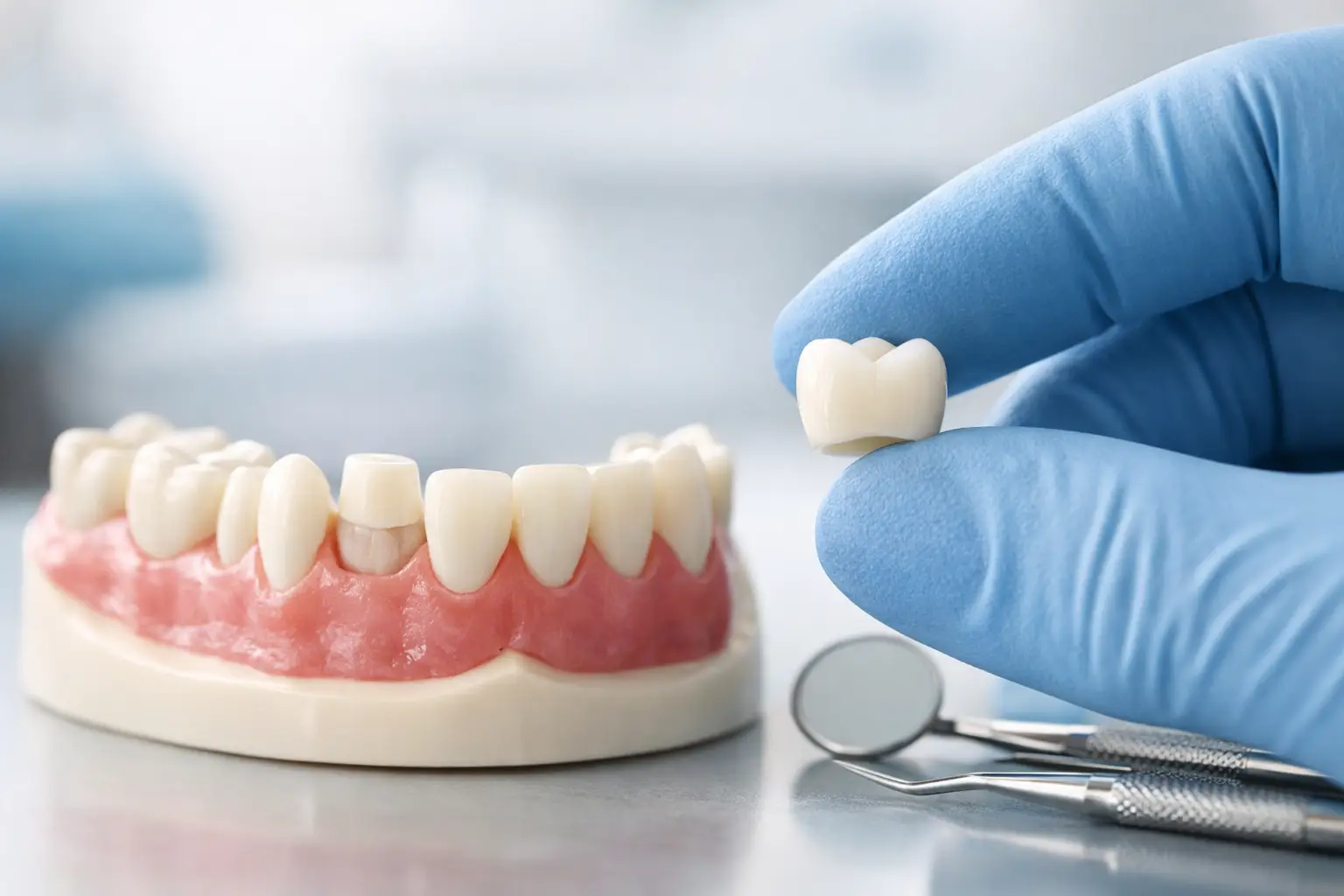
A dental crown is a custom-made covering that fits over the visible part of a tooth above the gumline. Think of it as a protective shell designed to restore the tooth’s shape, strength, and appearance. Unlike a filling, which replaces a smaller missing area, a crown surrounds the tooth and helps hold weakened structure together.
Crowns can be used on front teeth, back teeth, and teeth attached to implants. The material and design are selected to suit the location of the tooth, your bite, and your cosmetic goals. Modern crowns are made to blend naturally with surrounding teeth while standing up to daily chewing.
When a Crown May Be Recommended
A crown is often recommended when a tooth needs more support than a filling can safely provide. This may happen after a large cavity is removed, when an old filling has broken down, or when a tooth has a crack that could spread under pressure. Crowns are also commonly placed after root canal treatment because teeth without a healthy nerve can become more brittle over time.
A crown may also improve a tooth that is severely worn, misshapen, discolored, or weakened by repeated dental work. If a tooth is missing entirely, a crown can be attached to a dental implant to replace it.
Not every damaged tooth needs a crown. Smaller areas of decay may be treated with a filling, while some cosmetic concerns may be better addressed with bonding or veneers. If a crack extends too far below the gumline or into the root, saving the tooth may not be predictable. Your dentist should explain both the benefits and limitations before treatment begins.
Your Dental Crown Treatment Guide: The Process
The crown process usually takes two visits, although timing can vary based on your needs and the type of restoration being made. The goal is not simply to place a crown quickly. It is to create a restoration that feels comfortable, protects the tooth, and fits naturally into your bite.
First visit: Exam, preparation, and a temporary crown
Your dentist begins by examining the tooth and taking any needed X-rays. This helps identify decay, infection, cracks, or concerns around the root and bone. If the tooth needs a root canal or gum treatment first, those steps may need to happen before the final crown is placed.
For the crown preparation, the area is numbed so you can stay comfortable. The dentist gently reshapes the tooth to create enough room for the crown material. Any decay or failing filling material is removed, and the tooth may be rebuilt with a strong core material if needed.
A digital scan or impression is then used to create your custom crown. Before you leave, you will receive a temporary crown to protect the prepared tooth. Temporary crowns are functional but not as strong as the final restoration, so it is wise to avoid sticky foods, hard candy, ice, and chewing very hard foods on that side.
Between visits: Protect the temporary
It is normal for the tooth or gums to feel mildly sensitive for a few days, especially after the numbness wears off. Over-the-counter pain relief may help if it is safe for you to take. Sensitivity that becomes severe, swelling, persistent pain, or a loose temporary crown should be addressed promptly.
Continue brushing carefully and flossing daily. When flossing around a temporary, slide the floss out through the side rather than lifting it straight up, which can pull on the temporary cement. If your temporary comes off, keep it in a clean container and call the dental office for guidance. Do not use household glue to put it back.
Second visit: Final placement
Once your final crown is ready, the temporary is removed and the tooth is cleaned. Your dentist checks the crown’s fit, color, contour, and bite before securing it. This attention to detail matters. A crown that sits too high can make chewing uncomfortable and place extra pressure on the tooth, jaw, or surrounding teeth.
After the crown is cemented, it should feel like part of your natural smile. A brief adjustment period is common, but ongoing discomfort when biting, sharp edges, or floss that continually shreds are reasons to contact the office.
Choosing the Right Crown Material
There is no single best material for every patient. Porcelain and ceramic crowns are popular because they can closely match natural enamel, making them an excellent choice for visible teeth. Zirconia is highly durable and may be recommended for back teeth or patients who put significant pressure on their teeth.
Porcelain fused to metal crowns have a long history of strength, though they may be less translucent than all-ceramic options and can sometimes show a darker edge near the gumline over time. Gold-containing crowns remain a reliable option for certain back teeth because they are strong and gentle on opposing enamel, but their appearance is not for everyone.
Your dentist will balance appearance, durability, available tooth structure, and budget. If you grind or clench your teeth, a nightguard may be recommended to help protect the crown and your natural teeth, regardless of material.
How Long Does a Dental Crown Last?
Many crowns last 10 to 15 years, and some last longer with excellent care. Their lifespan depends on the crown material, the health of the supporting tooth, your bite, daily hygiene habits, and whether you clench, grind, or chew hard objects.
A crown itself cannot develop a cavity, but the natural tooth underneath can still decay where the crown meets the tooth. Gum disease can also compromise the foundation around any restoration. That is why regular cleanings and exams remain essential after crown treatment.
Treat your crown like a natural tooth: brush twice daily with fluoride toothpaste, clean between teeth every day, and keep up with preventive visits. Avoid using your teeth to open packages or bite fingernails. If you play contact sports, wear a properly fitted mouthguard.
What About Cost and Insurance?
Crown costs vary based on the tooth involved, the material selected, whether additional treatment is needed, and your insurance benefits. A crown on a tooth that requires a root canal, buildup, or treatment for decay will involve more than the restoration alone. Your dental team should provide a clear estimate before treatment, including expected insurance coverage and any patient portion.
For many patients, a crown is an investment in avoiding a bigger problem. A weakened tooth that fractures beyond repair may eventually require extraction and replacement with an implant, bridge, or denture. Still, treatment should fit your health needs and your budget. Ask about available payment options if cost is a concern.
When to Call Your Dentist
Call promptly if a temporary crown breaks or comes off, if you develop facial swelling, or if pain is worsening rather than improving. After the final crown is placed, contact your dentist if it feels loose, your bite feels uneven, or you have persistent sensitivity to pressure or temperature.
A crown should never be a reason to ignore a new problem. Early attention can often prevent a small adjustment or repair from becoming a more involved procedure.
At Sendero Dental Studio, crown treatment is planned around the whole person, not just one tooth. Whether you need to protect a tooth after a root canal, repair a broken restoration, or restore a confident bite, a comfortable exam and clear conversation can help you choose the next step with peace of mind.