
Porcelain Veneers vs Bonding for Your Smile
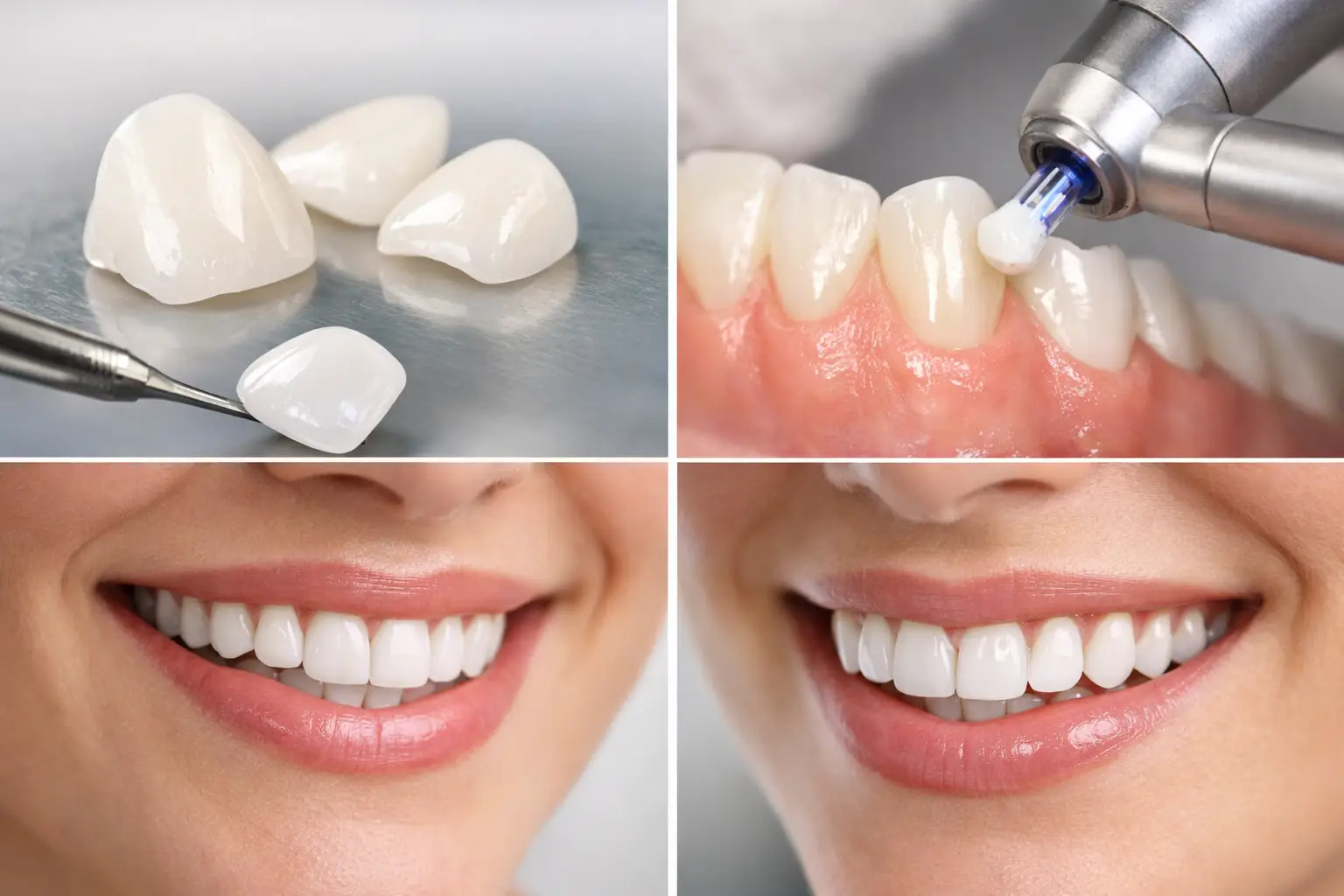
A small chip on a front tooth, a stubborn gap, or uneven tooth shape can make you think twice before smiling in photos. When comparing porcelain veneers vs bonding, the right choice is rarely about which treatment is simply better. It is about which option fits your teeth, goals, timeline, and long-term comfort.
Both treatments can create a natural-looking improvement without changing the character of your smile. They differ, however, in the material used, how long results typically last, the amount of tooth preparation involved, and the investment required. A thoughtful exam and conversation with your dentist can help turn a broad cosmetic goal into a treatment plan that makes sense for you.
Porcelain Veneers vs Bonding: The Core Difference
Porcelain veneers are thin, custom-crafted porcelain shells that are bonded to the front surface of teeth. They are typically created by a dental laboratory after your dentist designs the desired shape, color, and proportions. Veneers can improve the appearance of several teeth at once, making them a popular option for patients seeking a more comprehensive smile makeover.
Dental bonding, also called composite bonding, uses tooth-colored resin that is applied directly to the tooth, shaped by the dentist, hardened with a curing light, and polished. Because it is often completed in one visit, bonding can be an appealing choice for repairing a small chip, softening a pointed edge, closing a minor gap, or improving one or two teeth.
The materials behave differently. Porcelain is glass-like, highly stain resistant, and known for reflecting light in a way that closely resembles natural enamel. Composite resin can look very natural as well, especially in the hands of an experienced dentist, but it is more likely to pick up stains and lose some surface polish over time.
Appearance and Smile Goals
If your goal is a subtle repair, bonding may provide exactly the change you need. A small amount of resin can rebuild a chipped corner or balance the length of a tooth while preserving nearly all of the natural tooth structure. For many patients, that conservative approach is a meaningful advantage.
Veneers are often better suited to broader cosmetic concerns, such as multiple worn, discolored, uneven, or slightly misshapen front teeth. They can provide more control over color and overall symmetry, particularly when whitening alone cannot address deep internal discoloration or old dental work that does not respond to bleaching.
That does not mean every smile with several concerns needs veneers. If teeth are healthy and the desired changes are modest, a combination of whitening and bonding may be a more conservative path. If crowding, bite issues, or spacing are central concerns, orthodontic treatment such as Invisalign may be worth discussing before cosmetic work. Moving teeth into a healthier position can reduce the amount of reshaping needed later.
Cost, Time, and Long-Term Value
Bonding generally costs less per tooth than porcelain veneers and can often be completed in a single appointment. That can make it a practical option for a focused repair or for patients who want to improve their smile without committing to a more extensive treatment plan right away.
Porcelain veneers usually require more planning and at least two visits. After the teeth are prepared, temporary veneers may be placed while the custom porcelain restorations are made. The process takes longer and carries a higher initial cost, but porcelain commonly lasts longer than composite when cared for properly.
Bonding may need touch-ups, polishing, or replacement sooner, especially if you drink coffee, tea, or red wine regularly, use tobacco, bite your nails, or tend to chip your teeth. Veneers are more resistant to staining, but they are not indestructible. A veneer can chip or come loose, and replacement is still an investment.
When weighing cost, it helps to look beyond the first appointment. A lower upfront fee may be the best value for a minor concern. For someone planning a long-term change to several visible teeth, the durability and color stability of porcelain may justify the additional investment.
Tooth Preparation and Reversibility
Tooth preservation matters in cosmetic dentistry. Composite bonding usually requires little to no removal of enamel. In some cases, the dentist lightly roughens the tooth surface to help the resin adhere, but the natural tooth remains largely unchanged. Bonding can often be repaired or revised conservatively.
Traditional porcelain veneers typically require the removal of a small amount of enamel so the veneer can sit naturally and avoid looking bulky. The amount varies by case, and some minimal-prep options may be possible for the right patient. Still, once enamel has been removed for a veneer, the tooth will generally need a veneer or another restoration in the future.
This is one reason a personal evaluation matters. A dentist will consider the thickness of your enamel, the position of your teeth, your bite, existing fillings, and the amount of change you want. A treatment that looks beautiful on one person may not be the healthiest choice for another.
Durability Depends on Your Bite and Habits
Porcelain veneers often last 10 to 15 years or longer with good care, though there is no guarantee. Composite bonding commonly has a shorter lifespan and may require maintenance within several years. Actual longevity depends on the location of the tooth, the size of the restoration, oral hygiene, diet, and how much force the teeth receive.
Patients who clench or grind their teeth need special consideration. Constant pressure can damage both veneers and bonding. A custom night guard may be recommended to protect cosmetic dental work while you sleep. Similarly, chewing ice, opening packages with your teeth, and biting hard objects can create avoidable chips.
A healthy foundation is just as essential. Active gum disease, untreated decay, or unstable bite problems should be addressed before cosmetic treatment. Beautiful veneers or bonding cannot compensate for unhealthy gums or teeth that need restorative care.
Caring for Veneers and Bonding
The daily routine is familiar: brush twice a day with a nonabrasive toothpaste, clean between teeth daily, and keep regular dental checkups and cleanings. Your hygienist and dentist can monitor the edges of restorations, your gum health, and any early signs of wear.
For bonding, reducing exposure to staining habits can help maintain its color. Porcelain resists stains better, but the natural teeth around veneers can still darken over time. If you are considering whitening, it is usually best to whiten before selecting the final shade for veneers or bonding. That helps your dentist match the restoration to the brighter smile you want.
How to Decide Between Veneers and Bonding
A useful starting point is to consider the scale of the change. Bonding often makes sense for one or two teeth with minor chips, small gaps, or slight shape differences. Porcelain veneers may be a stronger fit when several front teeth need a durable color or shape transformation.
Then consider your priorities. If preserving enamel and completing treatment quickly are most important, bonding may be the better choice. If you want greater stain resistance, a highly refined finish, and a longer-lasting solution for multiple teeth, veneers may be worth considering.
At Sendero Dental Studio, cosmetic recommendations begin with listening to what you see in the mirror and evaluating what your teeth need clinically. The goal is not to sell the biggest treatment. It is to recommend an option that supports a natural appearance, a comfortable bite, and long-term oral health.
A confident smile should still feel like your smile. Schedule a cosmetic consultation to talk through your options, see what is possible for your specific teeth, and choose a path you can feel good about for years to come.