
Best Foods After Tooth Extraction for Healing
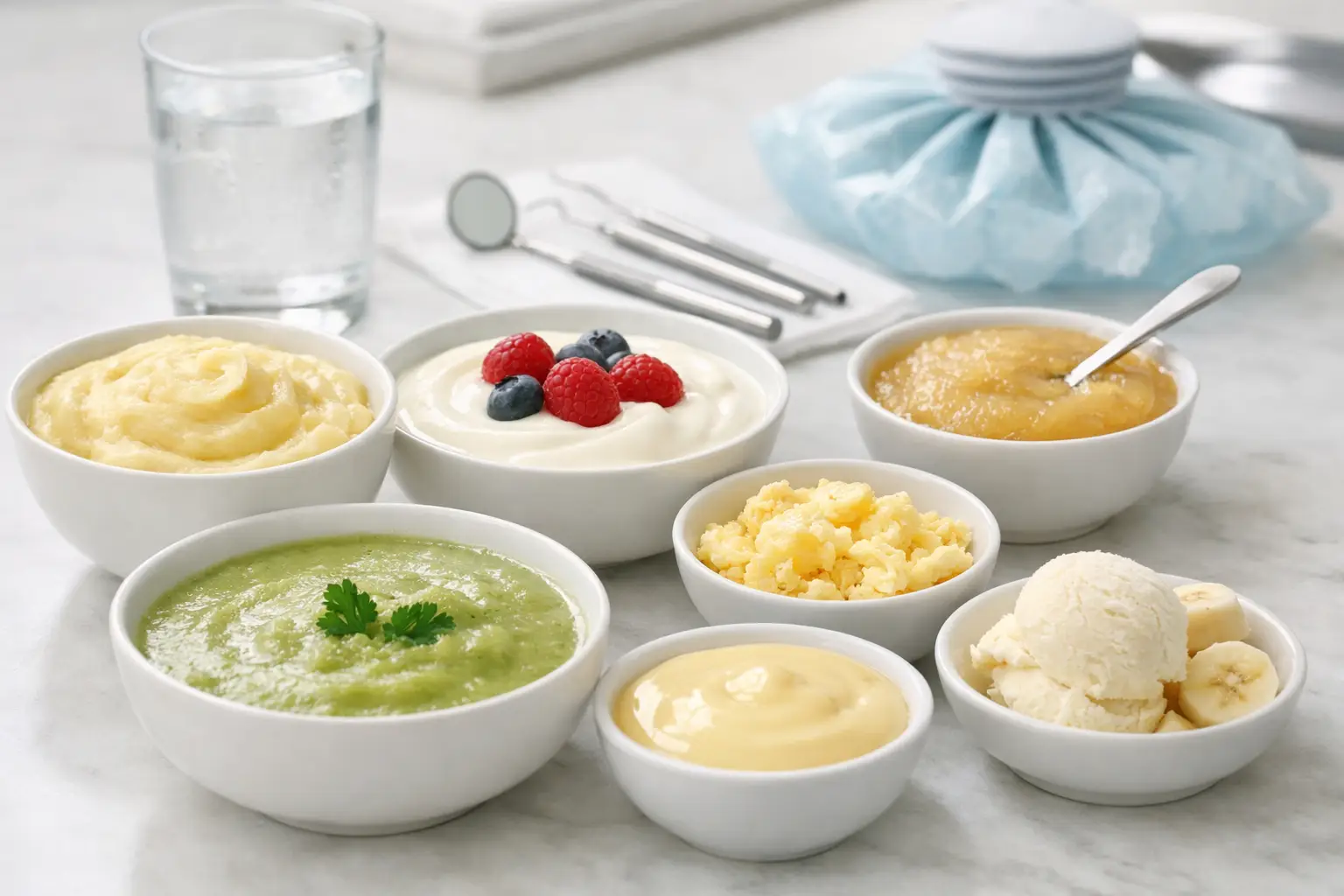
The first meal after an extraction should feel easy, not like a test of endurance. Choosing the best foods after tooth extraction can help you stay nourished without disturbing the blood clot that protects the healing socket. That clot is a big part of recovery, so the goal is simple: choose soft, cool or lukewarm foods that require little to no chewing.
Your dentist’s post-treatment instructions always come first, especially after wisdom teeth removal, multiple extractions, bone grafting, or sedation. Healing can vary based on the procedure and your overall health. Still, a thoughtful food plan can make the first few days far more comfortable.
Best Foods After Tooth Extraction: The First 24 Hours
For the first day, stick with foods that are smooth, soft, and easy to eat from a spoon. Cool foods may also feel soothing when your mouth is tender. Avoid chewing near the extraction site, even if the rest of your mouth feels fine.
Good first-day choices include applesauce, plain yogurt without granola or seeds, pudding, gelatin, smooth mashed potatoes, and blended soups that have cooled to lukewarm. Cottage cheese, scrambled eggs, and ripe mashed avocado can also work well if they feel comfortable for you.
Protein matters during recovery because your body needs it to repair tissue. Greek yogurt, smooth protein shakes eaten with a spoon, soft scrambled eggs, and blended bean soups are useful options. If you make a smoothie, use a spoon instead of a straw. Suction from a straw can dislodge the blood clot and raise the risk of dry socket, a painful complication that needs prompt dental attention.
Keep drinks cool or room temperature on the first day. Very hot coffee, tea, soup, and other hot foods can increase bleeding or irritate the area. Water is the best choice for staying hydrated. Take small sips and avoid swishing forcefully.
Soft Foods for Days Two Through Four
As soreness and swelling begin to improve, many patients can add more substantial soft foods. The right timing depends on how you feel and the type of extraction you had. A simple tooth extraction may allow a quicker return to normal textures than a surgical wisdom tooth removal.
Soft pasta, oatmeal that has cooled slightly, macaroni and cheese, flaky fish, soft-cooked vegetables, and tender shredded chicken are often comfortable choices. You can also try mashed sweet potatoes, cream of wheat, soft rice, and well-cooked lentils. Take small bites and chew on the side away from the extraction site whenever possible.
This is also a good time to focus on balanced meals rather than only snack foods. A bowl of soft scrambled eggs with mashed avocado, or a blended vegetable soup with Greek yogurt on the side, can provide protein, calories, and nutrients without making your jaw work too hard.
If you had an extraction on both sides of your mouth, softer foods may be necessary for longer. In that case, blended soups, eggs, yogurt, and mashed foods can be especially helpful. It may not be exciting for a few days, but protecting the surgical sites is worth it.
Easy meal ideas that do not require much chewing
A warm-not-hot bowl of mashed potatoes topped with soft scrambled eggs is filling and gentle. Oatmeal with mashed banana can be a comfortable breakfast once you are ready for a slightly thicker texture. For lunch or dinner, consider a smooth soup with tender pasta or flaky fish that breaks apart easily with a fork.
Parents helping a child recover after an extraction can offer familiar soft foods rather than introducing something entirely new. Applesauce, yogurt, mashed potatoes, and cooled macaroni and cheese are often easier for children to accept when their mouth is sore. Keep portions small, and remind them not to poke the area with fingers or their tongue.
Foods to Avoid While the Socket Heals
Some foods can get trapped in the socket, irritate healing tissue, or require enough forceful chewing to disrupt recovery. Even healthy foods may need to wait a few days.
Avoid these foods until your dentist says you can return to them:
- Crunchy foods such as chips, popcorn, crackers, nuts, and toasted bread
- Small, loose foods such as seeds, rice, quinoa, and popcorn kernels
- Sticky foods such as caramel, taffy, and chewy candy
- Spicy, acidic, or very hot foods that can sting or irritate the area
- Tough foods such as steak, jerky, crusty bread, and raw vegetables
Alcohol should also be avoided while you are healing, particularly if you are taking prescription pain medication or antibiotics. Smoking and vaping are among the biggest concerns after an extraction. Both can interfere with blood flow and involve suction that can disturb the clot. Your dental team can give you specific guidance about when it is safe to resume.
When Can You Eat Normally Again?
Many people can gradually return to a more regular diet within about a week after a straightforward extraction. Surgical extractions, impacted wisdom teeth, and procedures involving grafting can require a longer soft-food period. Do not judge recovery only by pain level. Even when discomfort has improved, the socket is still healing and can trap food particles.
Start by testing one soft-solid food at a time. If chewing causes sharp pain, throbbing, or pressure around the extraction site, move back to gentler foods for another day or two. It is better to be patient than to aggravate the area.
Follow your dentist’s instructions for rinsing. Many patients are advised to begin gentle warm saltwater rinses after the first 24 hours, but you should not rinse, spit, or swish aggressively. Let the water fall from your mouth rather than forcefully spitting it out. This helps keep the area clean without pulling at the clot.
Watch for signs that recovery needs attention
Some tenderness, mild swelling, and jaw stiffness are expected after an extraction. Pain should generally improve, not suddenly worsen after a few days. Contact your dentist if you have severe or increasing pain, persistent bleeding, fever, worsening swelling, a foul taste or odor, or difficulty swallowing or breathing.
A dry socket often causes intense, radiating pain two to five days after an extraction. It may travel toward the ear, temple, or jaw. This is not something to manage by changing foods alone. Your dentist can treat the site and help you get comfortable.
A Few Comfort Tips for Mealtimes
Take any prescribed medication exactly as directed, and ask your dentist whether an over-the-counter pain reliever is appropriate for you. Eating a small amount of soft food before medication may help prevent stomach upset, depending on the medication and your instructions.
Choose smaller meals throughout the day if a full meal feels tiring. Keep water nearby, but skip straws. After eating, do not probe the socket with a toothpick, toothbrush, or fingernail. Gentle care and a little patience usually do more for healing than trying to clean the area too aggressively.
At Sendero Dental Studio, we want every patient to leave an extraction appointment knowing exactly how to care for their smile at home. If you are unsure whether a particular food is safe after your procedure, or something about your recovery does not feel right, a quick call to your dental team can provide the reassurance and guidance you need.
For now, keep meals soft, nourishing, and low-effort. Each comfortable bite is one small way to give your mouth the time and care it needs to heal well.