
Do Night Guards for Teeth Grinding Really Help?
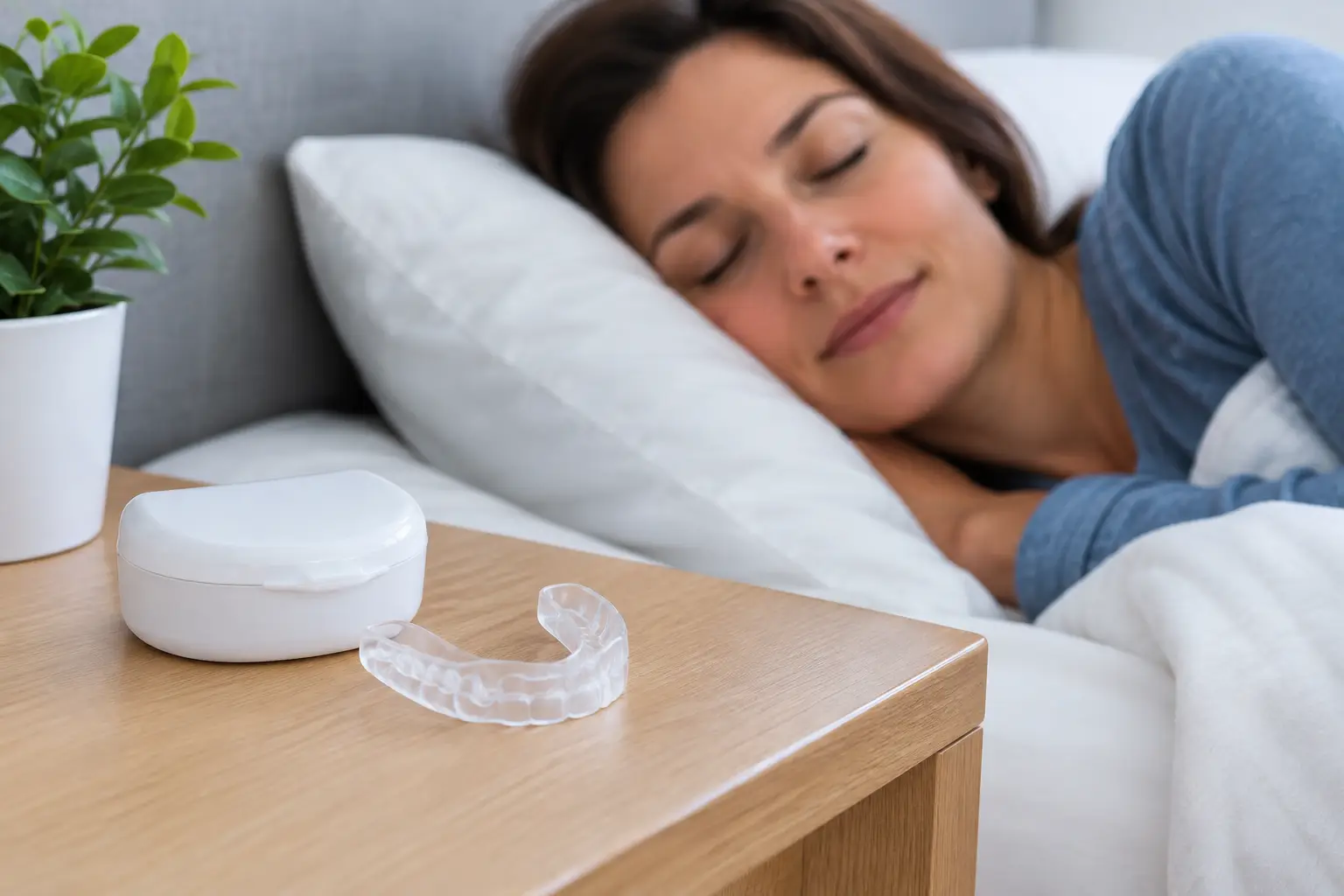
Waking up with a tight jaw, a dull headache, or teeth that feel strangely sensitive can make the morning start on the wrong foot. For many adults, these symptoms point to nighttime clenching or grinding. Night guards for teeth grinding create a protective barrier between the upper and lower teeth, helping prevent the repeated pressure that can wear down enamel, damage dental work, and leave your jaw sore.
Grinding, also called bruxism, is common, but it is not something to simply live with. The right guard can protect your smile while your dental team looks at the bigger picture: why the grinding is happening, whether your bite is contributing, and how to keep the problem from becoming more costly over time.
What a Night Guard Does for Teeth Grinding
A night guard is a fitted appliance worn over the teeth while you sleep. It does not always stop the jaw muscles from clenching, but it separates the teeth so they do not scrape and press directly against one another. That distinction matters. Tooth enamel is strong, but it cannot grow back once it has been worn away.
When teeth grind night after night, the effects can be gradual. You may notice flattened or chipped edges, new sensitivity to cold drinks, or a filling or crown that keeps breaking. Some people first learn they grind when a partner hears it. Others have no obvious sound at all, especially when clenching is the main habit.
A properly designed guard helps spread biting forces more evenly. It can reduce the stress placed on natural teeth, veneers, crowns, bridges, and implants. Many patients also find that protecting the teeth reduces morning jaw fatigue, although results vary depending on the cause and severity of their bruxism.
Signs You May Need a Night Guard
A dental exam is the best way to confirm whether a guard makes sense, but certain signs are worth bringing up at your next visit. Morning headaches, tenderness around the jaw joint, facial muscle soreness, and teeth that feel painful when biting can all be clues.
Your dentist may also see evidence before you feel it. Small cracks, worn chewing surfaces, recession near the gumline, chipped restorations, and scalloped edges along the tongue can suggest that excessive force is affecting your mouth. Children can grind too, though treatment decisions are different because their teeth and jaws are still developing.
Stress can play a role, but it is rarely the whole story. Sleep patterns, certain medications, alcohol use, caffeine, bite changes, missing teeth, and sleep-related breathing concerns may also contribute. A guard protects the teeth, but it should not replace a thoughtful evaluation when symptoms are persistent or worsening.
Clenching and Grinding Are Not Exactly the Same
Grinding involves moving the teeth against each other, often creating a scraping sound. Clenching is a sustained, forceful bite with little movement. Both can overload teeth and jaw muscles, and both may benefit from a custom appliance.
The design of the guard can differ based on your bite, dental work, and symptoms. This is one reason a one-size-fits-all approach is not ideal for everyone.
Store-Bought vs. Custom Night Guards
Over-the-counter guards can seem like an easy first step. They are readily available and typically cost less upfront. For a short-term option, a basic guard may offer some protection, particularly if you are waiting for a dental appointment.
The trade-off is fit. Boil-and-bite and stock guards are made to accommodate many mouths, not yours specifically. If a guard is bulky, loose, or uneven, it may be uncomfortable enough that you stop wearing it. In some cases, an ill-fitting appliance can alter how your teeth meet or add strain to the jaw.
Custom night guards are made from impressions or digital scans of your teeth. Your dentist selects the material, thickness, and design based on your individual needs. A thin, durable guard may be appropriate for mild grinding, while a more protective design may be recommended for heavy clenching or extensive dental restorations.
A custom guard costs more than a store-bought option, but it is often a better value when you consider what it is protecting. Repairing a cracked crown, replacing a chipped veneer, or treating a painful tooth can quickly exceed the investment in a well-made appliance.
What to Expect From a Custom Guard
Getting a custom guard is usually straightforward. Your dental team will examine your teeth, gums, bite, jaw muscles, and existing dental work. They may ask about headaches, sleep quality, medications, and whether anyone has heard you grinding at night.
Next, a scan or impression is used to create the appliance. At your delivery visit, the fit is checked carefully. The guard should feel secure without pinching your gums, and your dentist can make adjustments so your bite contacts it evenly.
Most people adjust within a few nights. It is normal to be aware of the guard at first, but ongoing pain, a gagging sensation, looseness, or a change in your bite after removing it should be addressed promptly. Do not try to reshape a custom guard at home.
Caring for Your Night Guard
A night guard works best when it is clean and stored properly. Rinse it with cool water before and after wearing it, then gently brush it with a soft toothbrush. Use a cleaner recommended by your dental team when needed. Hot water can warp many materials, and regular toothpaste may be too abrasive for some guards.
Let the guard air-dry before placing it in its ventilated case. Keep it away from pets, which are famously quick to mistake dental appliances for chew toys. Bring it to routine dental visits so your dentist can check for wear, cracks, buildup, and fit changes.
How long a guard lasts depends on the material and the force of your bite. A light grinder may use the same appliance for years, while a heavy clencher may wear through it sooner. If it develops holes, cracks, sharp edges, or no longer fits securely, it is time for an evaluation.
When a Night Guard Is Not the Only Answer
A night guard is an excellent protective tool, but it is not a cure for every source of jaw pain or poor sleep. If you snore loudly, wake up gasping, feel unusually tired during the day, or have been told you stop breathing in your sleep, tell your physician and dentist. Sleep-disordered breathing deserves its own evaluation.
Likewise, severe jaw locking, limited opening, facial swelling, a sudden bite change, or sharp tooth pain should not be managed by simply wearing a guard. These symptoms may point to a dental issue, joint condition, infection, or cracked tooth that needs direct care.
For some patients, treatment may also include repairing worn teeth, replacing a broken restoration, addressing gum inflammation, or discussing stress-management and sleep habits. The most useful plan is the one that protects your teeth while respecting the cause of your symptoms.
Protecting Your Smile Before More Damage Happens
Grinding often leaves quiet evidence long before it causes a dental emergency. If your jaw is sore in the morning, your teeth are chipping, or your dental work keeps failing, a personalized exam can provide clarity. At Sendero Dental Studio, patients can discuss their symptoms in a comfortable, judgment-free setting and receive guidance based on their smile, bite, and long-term goals.
A well-fitting night guard is a small part of your nightly routine, but it can make a meaningful difference for the teeth you rely on every day. Bringing up grinding at your next dental visit is a practical way to protect your comfort, your restorations, and your smile for years to come.