
Cost of Dentures Explained for South OC Families
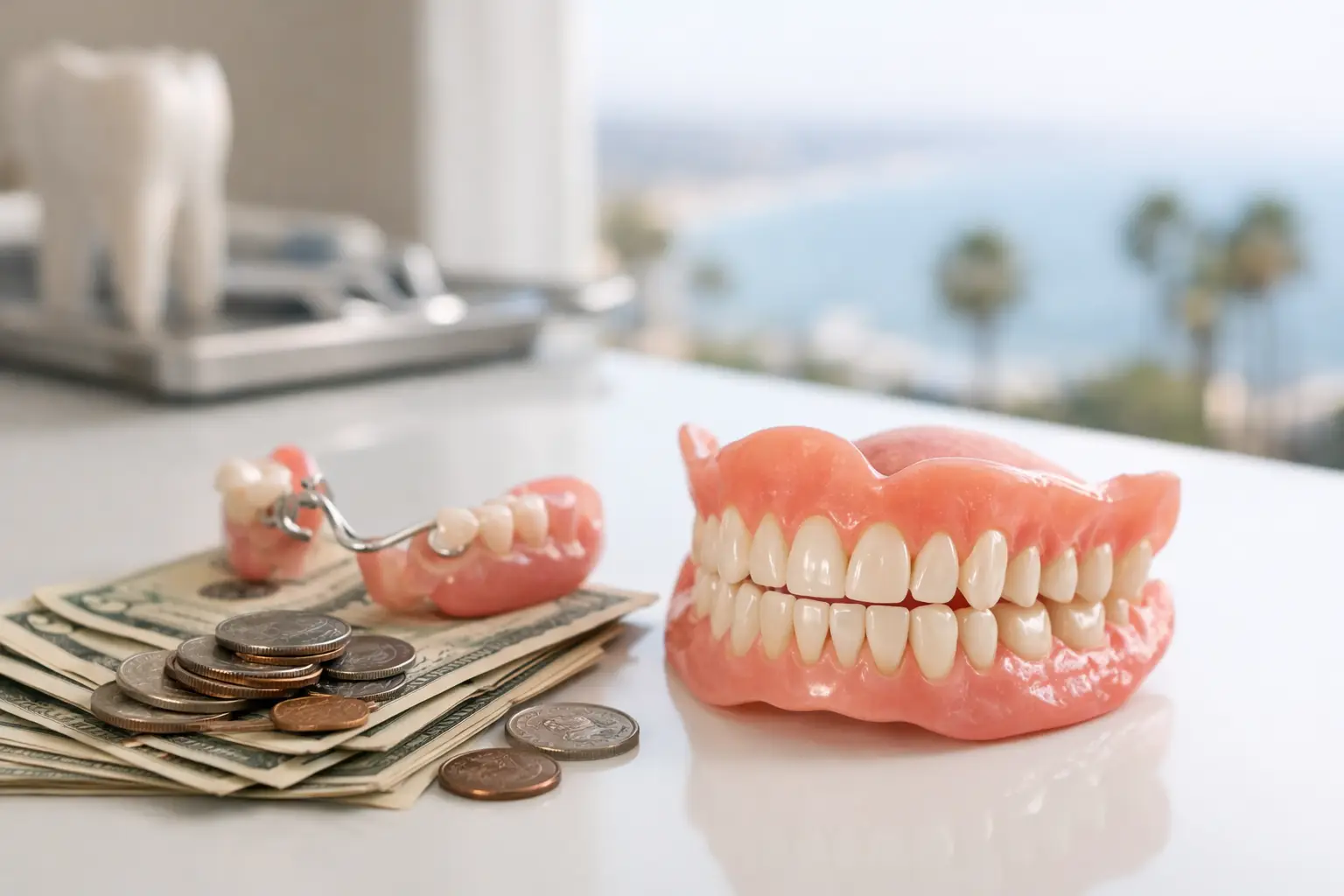
Replacing missing teeth is not a one-size-fits-all decision, and the cost of dentures explained clearly should account for more than the appliance itself. Your oral health, the number of teeth being replaced, the materials selected, and any preparation needed before treatment all shape the final investment. For many South Orange County families, the most reassuring first step is a personal exam and a straightforward conversation about choices, timing, and payment.
Why Denture Costs Can Vary So Much
Dentures are custom dental restorations designed to restore chewing ability, support facial contours, and help you feel more comfortable smiling and speaking. Because every mouth is different, two patients can need very different treatment plans even when both ask for dentures.
A basic removable denture may be appropriate for someone with healthy gums and a well-healed mouth after tooth loss. Another patient may need extractions, treatment for gum disease, bone smoothing, temporary teeth during healing, or a more secure implant-supported restoration. Those clinical needs are not add-ons for their own sake. They are often what helps a denture fit comfortably and function predictably over time.
It also matters whether you are replacing all teeth or only some of them. A partial denture fills spaces while fitting around your remaining natural teeth. A complete denture replaces all upper teeth, all lower teeth, or both. Implant-retained options use dental implants to add stability, which changes both the treatment process and the overall cost.
Cost of Dentures Explained by Type
The best value is not always the lowest initial price. A denture that is carefully planned, properly fitted, and supported by good oral health can be easier to wear and may require fewer frustrating adjustments. Here is how common options differ.
Complete dentures
Complete dentures replace an entire arch of teeth. Conventional dentures are generally made after the gums have healed following extractions. This approach can offer a more stable foundation because the dental team is working with healed tissue, though it means spending a period of time without natural teeth unless a temporary option is planned.
Immediate dentures are placed right after teeth are removed, allowing you to leave with teeth in place. They can be a welcome option for appearance and confidence, but gums and bone change considerably during healing. Relines, adjustments, or a replacement denture may be needed as your mouth settles.
Partial dentures
Partial dentures are used when healthy natural teeth remain. They may be made with an acrylic base, a metal framework, or flexible materials, depending on your bite, appearance goals, and the teeth that will support the appliance. A partial denture can be a practical way to replace several missing teeth, but it needs to fit carefully so it does not place harmful pressure on neighboring teeth or gums.
Implant-supported dentures
Implant-supported dentures are secured or stabilized by dental implants placed in the jawbone. Depending on the design, the denture may snap onto implants for daily removal or be fixed in place for the dental team to maintain. Implant treatment typically has a higher upfront investment because it includes surgery, healing time, custom components, and the final restoration.
For the right candidate, that investment may bring meaningful benefits. Greater stability can make eating and speaking easier, and implants can help preserve jawbone in areas where teeth are missing. Not everyone needs implants, and not every patient is a candidate without additional treatment. A thorough evaluation helps determine whether this path makes sense for your health, lifestyle, and budget.
What Is Included in a Denture Treatment Plan?
When comparing estimates, ask what is included rather than focusing only on a single advertised number. A complete plan may involve the consultation, digital or traditional impressions, X-rays or 3D imaging when needed, the denture fabrication process, try-in appointments, delivery, and follow-up adjustments. The scope varies by office and by the complexity of your needs.
Preparation is often the largest variable. If damaged or failing teeth need to be removed, extraction fees may be part of the treatment plan. Gum disease treatment, bone grafting, oral surgery, or treatment for infection may also be recommended before a long-term restoration is placed. These services protect your health and can improve the comfort and fit of your final denture.
Materials influence cost as well. Higher-quality teeth and denture bases may offer a more natural appearance, better wear resistance, or improved strength. They are not automatically necessary for every patient, but material options are worth discussing if appearance, durability, or heavy biting forces are priorities for you.
Adjustments, relines, and future maintenance
Your mouth does not stay static after tooth loss. Gum tissue and underlying bone can change, especially during the first months after extractions. Dentures may need adjustments to relieve sore spots, and they may eventually need a reline to restore a close fit against the gums.
Over time, dentures can wear, crack, stain, or become less stable as the shape of the mouth changes. Planning for maintenance is part of being realistic about cost. Routine dental visits remain important, even with full dentures, so your dentist can check your oral tissues, screen for concerns, and evaluate the condition of the appliance.
Insurance and Financing Questions to Ask
Dental insurance can help with dentures, but coverage varies widely. Some plans cover a percentage after a deductible, have a waiting period, or limit how often they will contribute toward a replacement. Annual maximums can also affect what insurance pays in a given year.
Before beginning treatment, ask the dental office to review your benefits and explain your estimated out-of-pocket amount. An estimate is not a guarantee of payment from an insurance company, but it gives you a useful planning starting point. If you do not have insurance, ask about available payment options, phased treatment, or membership and financing arrangements that may make care more manageable.
It can also help to ask whether your estimate includes expected follow-up visits and what circumstances could change the total. Clear answers reduce surprises and let you compare treatment options fairly. A lower quote may exclude necessary preparation, adjustments, or final materials, while a more complete plan may include services that matter to long-term comfort.
How to Choose the Right Option for Your Smile
The right denture is the one that supports your health and daily life, not simply the one with the lowest starting price. Consider what you want to eat, whether you have remaining teeth worth preserving, how important fixed stability is to you, and whether you are comfortable with a removable appliance. Your medical history, bone levels, gum health, and timeline matter too.
At Sendero Dental Studio, a denture consultation is an opportunity to discuss those details without pressure. A careful exam allows the dental team to identify active concerns, explain the benefits and limitations of each option, and create a treatment plan that feels understandable for you and your family.
Do not put off an evaluation because you assume dentures are out of reach or because you worry the conversation will be uncomfortable. Missing teeth can affect nutrition, speech, confidence, and the health of remaining teeth. A clear, personal treatment plan can show you what is possible now, what can wait, and which next step will help you move forward with a healthier, more confident smile.