
How to Care for Dental Implants Every Day
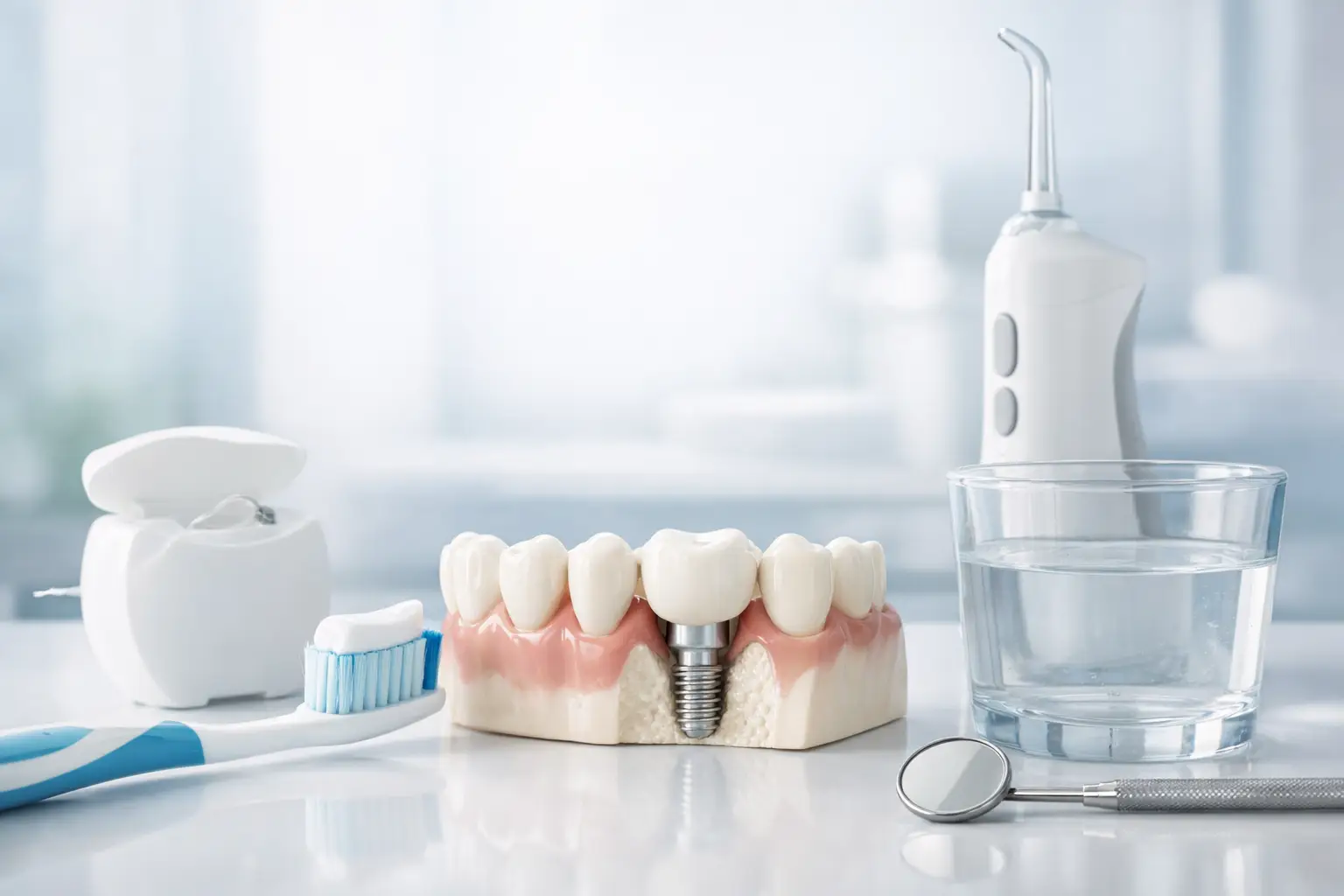
A dental implant is designed to feel like part of your smile, not like a delicate replacement you have to worry about every hour. Still, knowing how to care for dental implants is one of the best ways to protect your investment, your comfort, and the health of the gums and bone that support them. With consistent home care and regular dental visits, implants can be a lasting solution for missing teeth.
Dental implants cannot get cavities, but the tissues around them can become inflamed or infected. That distinction matters. The goal is not simply to keep the crown looking clean. It is to keep plaque away from the gumline and maintain the healthy foundation beneath your restoration.
What Needs Care Around a Dental Implant
A complete implant restoration has several parts: the titanium implant post in the jawbone, a connecting piece called an abutment, and the visible crown, bridge, or denture. Whether you have replaced one tooth or restored a full arch with implant-supported teeth, your daily care should focus on the areas where the restoration meets the gums.
Plaque can collect at this junction just as it can around natural teeth. If it is not removed consistently, the gums may become red, tender, or prone to bleeding. Early inflammation around an implant is often called peri-implant mucositis. Left untreated, it can progress to peri-implantitis, a more serious condition that may affect the bone supporting the implant.
The reassuring news is that daily cleaning and professional monitoring can catch concerns early. Most implant problems do not appear overnight. They usually develop when plaque buildup, missed maintenance, grinding, smoking, or existing gum disease go unaddressed over time.
How to Care for Dental Implants at Home
Your routine should be thorough without being harsh. A soft-bristled manual toothbrush or an electric toothbrush with a gentle setting works well for most people. Brush at least twice daily, paying close attention to the gumline around your implant crown or bridge. Angle the bristles gently toward the gums, and use small, controlled motions rather than aggressive scrubbing.
Use a low-abrasion toothpaste. Highly abrasive whitening formulas, baking soda powders, and stiff brushes may scratch some restorative materials over time. A few small surface scratches can make it easier for plaque and stain to cling to the restoration. If whitening is a goal, ask your dental team which products are appropriate for your natural teeth and the type of crown or bridge you have.
Cleaning between teeth is just as important as brushing. The right option depends on your restoration. For a single implant crown, floss may be enough if it moves comfortably around the contact areas. For an implant bridge or an All-on-4 style restoration, a floss threader, implant-specific floss, interdental brush, or water flosser may be more effective at reaching beneath the replacement teeth.
There is no single tool that is best for every smile. Interdental brushes need to fit without force, while a water flosser should be used according to your dentist’s instructions and at a comfortable pressure. During a hygiene visit, your dental team can show you exactly where plaque tends to collect and help you choose tools that make daily care practical.
If you use mouthwash, select an alcohol-free option unless your dentist recommends something different. Mouthwash can be a helpful addition, but it does not replace brushing between and around the teeth. The physical removal of plaque is what makes the biggest difference.
Give New Implants Time to Heal
Care looks a little different immediately after implant surgery. Follow your surgeon’s instructions closely regarding rinsing, brushing, eating, medications, and activity. You may be asked to avoid brushing directly over the surgical site for a short period, use a prescribed rinse, and choose soft foods while the area heals.
Do not probe the site with your fingers or tongue, even if you are curious about how it feels. Avoid smoking and vaping during healing, as nicotine can reduce blood flow and interfere with the body’s ability to heal properly. If you have increasing pain, persistent bleeding, swelling that worsens after the first few days, fever, or a loose temporary restoration, contact your dental office promptly.
Make Food Choices That Protect Your Restoration
Once your implant has fully healed and your final restoration is in place, you can usually enjoy a wide range of foods. That freedom is one of the reasons implants are so popular. However, implants and their crowns are not meant to open packages, crack ice, or bite through hard objects.
Use common sense with very hard or sticky foods. Ice, hard candies, popcorn kernels, pens, and fingernails can chip porcelain or place unnecessary stress on a crown, bridge, or denture. Sticky foods may pull on a temporary restoration, especially during the healing phase. If you are unsure whether a food is safe after surgery or after receiving a new crown, ask before testing it.
A balanced diet also supports healthy gums and bone. Regular hydration helps your mouth clear food debris, and limiting frequent sugary snacks can reduce plaque buildup on natural teeth near the implant. Implants may not decay, but your surrounding teeth still can.
Do Not Ignore Grinding or Clenching
If you wake with jaw soreness, headaches, worn teeth, or a chipped restoration, you may be clenching or grinding your teeth. Excessive bite pressure can damage an implant crown or strain the components that connect the restoration to the implant.
A custom nightguard may be recommended to protect both your natural teeth and implant restoration while you sleep. It is not a one-size-fits-all purchase. An over-the-counter guard may be appropriate in some cases, but a custom appliance is generally designed for a more stable fit and a balanced bite. Your dentist can evaluate which option makes sense for you.
Keep Up With Professional Implant Maintenance
Even excellent brushers need professional cleanings and examinations. During your visits, your dental team checks the gums around the implant, evaluates your bite, removes hardened buildup, and looks for changes in the restoration or supporting bone. X-rays may be recommended periodically to assess areas that cannot be seen during a visual exam.
Tell your hygienist and dentist that you have implants, even if it is already in your records. Implant restorations require instruments and techniques selected to clean effectively without damaging the crown or implant surface. Your recommended schedule may be every six months, though people with a history of gum disease, multiple implants, diabetes, dry mouth, or plaque buildup may benefit from more frequent maintenance.
At Sendero Dental Studio, implant follow-up is part of caring for the whole smile. A comfortable, familiar dental home makes it easier to keep routine visits on the calendar and address small changes before they become complicated problems.
Warning Signs to Call About
An implant should feel secure and comfortable once healing is complete. Contact your dental office if you notice bleeding when brushing, persistent bad taste or bad breath, swollen gums, pus, gum recession, pain when biting, a change in how your teeth come together, or a restoration that feels loose.
A loose crown or bridge does not always mean the implant itself has failed. Sometimes a screw, cement, or restoration component needs attention. Either way, avoid chewing on that side until it has been evaluated. Trying to tighten, glue, or adjust the restoration at home can create a larger problem.
People with diabetes, active gum disease, or tobacco use should be especially proactive about maintenance. These factors do not automatically prevent successful implant treatment, but they can raise the risk of inflammation and slower healing. Honest conversations about your health history allow your dentist to tailor a care plan to your needs.
A Routine Worth Keeping
Caring for an implant is less about special products and more about steady habits: brush gently, clean between teeth every day, protect your smile from excessive force, and attend the visits that keep your gums and bite on track. If any part of your routine feels difficult, uncomfortable, or confusing, bring your tools to your next appointment. A few minutes of personal guidance can help you care for your new smile with confidence for years to come.