
Crown Versus Dental Filling: Which Is Right?
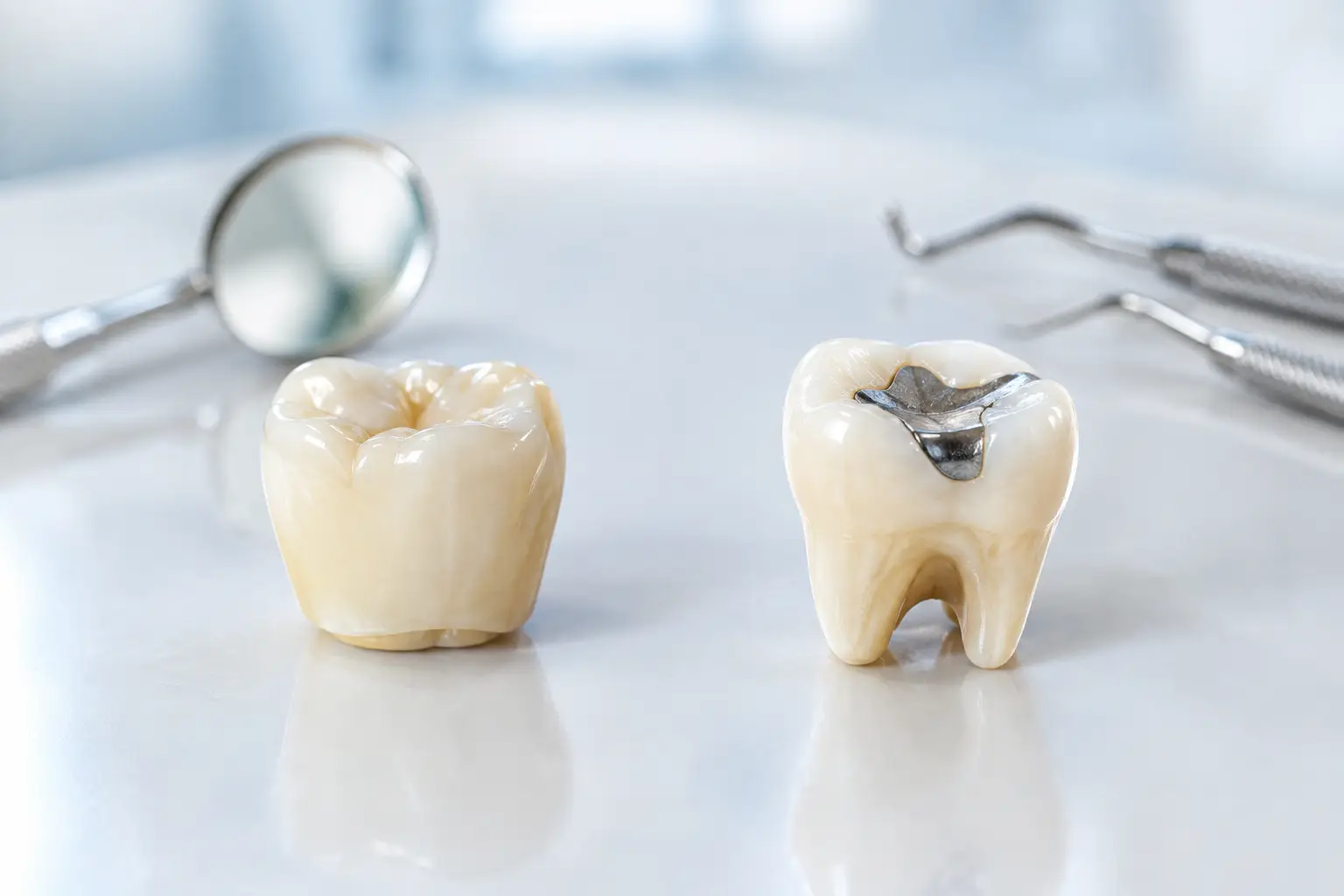
A chipped tooth, a lost filling, or a cavity found at a routine checkup can leave you with the same practical question: should you get a crown or a filling? The crown versus dental filling decision is not about choosing the “better” treatment in every situation. It is about choosing the amount of protection your specific tooth needs while preserving as much healthy tooth structure as possible.
A small area of decay may be treated beautifully with a filling. A tooth that is deeply cracked, heavily decayed, or weakened after root canal treatment may need the added coverage of a crown. A careful exam, X-rays when needed, and a conversation about your goals help your dentist recommend the option that supports your smile for the long term.
Crown Versus Dental Filling: The Main Difference
A dental filling repairs a localized problem. After removing decay or old damaged filling material, your dentist places a restorative material directly into the prepared area of the tooth. Tooth-colored composite fillings are commonly used because they blend naturally with surrounding enamel and can restore small to moderate areas of damage.
A dental crown covers the entire visible portion of a tooth above the gumline. It is custom-made to fit over a prepared tooth, restoring its shape, function, and appearance while helping hold weakened remaining tooth structure together. Crowns may be made from porcelain, ceramic, zirconia, or other materials selected for the tooth’s location, strength requirements, and cosmetic needs.
Put simply, a filling fills a space. A crown acts more like a protective cap. Neither approach is automatically right or wrong. The extent and location of the damage matter most.
When a Filling May Be the Better Choice
A filling is often the more conservative solution when decay or damage is limited and the tooth still has strong, healthy walls. For example, a small cavity between teeth, a minor chip near the front of a tooth, or a worn-out filling with plenty of sound enamel around it may be well suited for a new composite filling.
Because less tooth structure is removed, fillings are generally completed in one appointment and tend to cost less initially than crowns. They can be an excellent way to stop decay early and restore a tooth before a larger repair is necessary.
A filling does have limits. Large fillings can leave thin cusps, the pointed chewing surfaces of back teeth, vulnerable to fracture. A filling may restore the missing area, but it cannot always protect a tooth that has already lost significant structural support. When the repair would take up much of the tooth, a crown may offer a more reliable result.
When a Crown Offers Better Protection
Crowns are commonly recommended when a tooth is too compromised for a filling to provide dependable support. This may include a tooth with extensive decay, a large broken filling, a significant crack, or a fracture caused by biting on something hard. Back teeth absorb substantial chewing force every day, so structural strength is especially important in molars and premolars.
A crown is also frequently recommended after root canal therapy. Root canal treatment removes infection and preserves the natural tooth, but the tooth may have already lost considerable structure from decay, a fracture, or the access opening needed for treatment. A crown can help protect it from breaking during normal use.
Cosmetic concerns can also play a role. If a tooth has severe discoloration, an unusual shape, or extensive visible damage, a crown may create a more balanced appearance. Still, a crown should not be used when a simpler, more conservative treatment can predictably meet the need. Protecting healthy natural enamel remains a priority.
What Your Dentist Looks at Before Recommending Treatment
The size of the cavity matters, but it is only one part of the decision. Your dentist will assess how much healthy tooth remains, whether there are cracks, the condition of the gums and bone, and how the tooth meets the opposing teeth when you bite.
The remaining tooth structure
Two teeth can have similar-sized cavities but need different treatment. One may have thick, healthy walls that can support a filling. The other may have weak or undermined enamel around an older restoration. In that case, replacing another large filling may increase the risk of a future fracture.
The location of the tooth
Front teeth are designed mainly for biting and tearing, while back teeth handle the heavier forces of grinding. A small chip on a front tooth may be repaired with composite bonding. A similarly sized area of damage on a molar may require a different approach because of the force placed on it every time you chew.
Cracks and bite pressure
A cracked tooth can be difficult to evaluate because pain may come and go, especially when releasing a bite. If a crack extends into the tooth but has not reached the root, a crown may help hold the tooth together and prevent the crack from worsening. Clenching or grinding can add even more pressure, which may influence the treatment recommendation and the need for a nightguard.
Your long-term dental plan
Your dentist should also consider what makes sense for your overall oral health. A tooth that supports a bridge, has a history of repeated repairs, or needs root canal treatment may benefit from a crown even if a filling is technically possible. On the other hand, a small early cavity may only need a conservative filling and regular monitoring.
Comfort and the Treatment Process
Both fillings and crowns are performed with your comfort in mind. Local anesthetic keeps the treatment area numb, and your dental team will explain what to expect before beginning. For a filling, the decay is removed, the tooth is cleaned and prepared, and the filling material is placed and shaped during the visit.
For a traditional crown, the tooth is carefully shaped to create room for the custom restoration. A temporary crown may be placed while the final crown is made, followed by a return visit to check the fit, bite, and appearance before cementing it in place. Depending on the clinical situation and technology available, some crowns may be completed more efficiently.
It is normal to have mild sensitivity after either treatment, particularly to temperature or pressure. This usually improves as the tooth settles. Call your dental office if discomfort is severe, lasts longer than expected, or your bite feels uneven.
Cost, Longevity, and the Value of the Right Repair
Cost is a reasonable concern, especially for families planning dental care. Fillings usually have a lower upfront cost because they use less material and require less treatment time. Crowns cost more because they involve extensive preparation, custom laboratory or milling work, and a more comprehensive restoration.
However, the least expensive treatment today is not always the best value over time. Repeatedly replacing a very large filling can gradually leave less natural tooth structure. If the tooth later breaks below the gumline, it may become difficult or impossible to save. When a crown is genuinely indicated, it can help avoid a more complex problem.
Longevity varies with the material used, the size of the restoration, home care, diet, bite forces, and regular dental visits. Both fillings and crowns can last for many years when they are well cared for. Brushing twice daily with fluoride toothpaste, cleaning between teeth, and attending routine exams allow small concerns to be addressed before they become emergencies.
Do Not Wait on a Damaged Tooth
A broken filling, lost crown, persistent toothache, swelling, or pain when biting deserves prompt attention. Waiting can allow decay, cracks, or infection to progress, turning a straightforward repair into a more involved treatment. If something feels wrong, especially before a weekend or important family event, an exam can provide clarity and relief.
At Sendero Dental Studio, the goal is not to sell a crown when a filling will do, or to place a filling when a tooth needs stronger protection. It is to help you understand the condition of your tooth and make a confident, comfortable choice for your health.
The best next step is a personal evaluation. With the right diagnosis and timely care, you can protect your natural tooth, restore comfortable chewing, and get back to smiling without second-guessing every bite.