
Smile Makeover Examples for Real-Life Goals
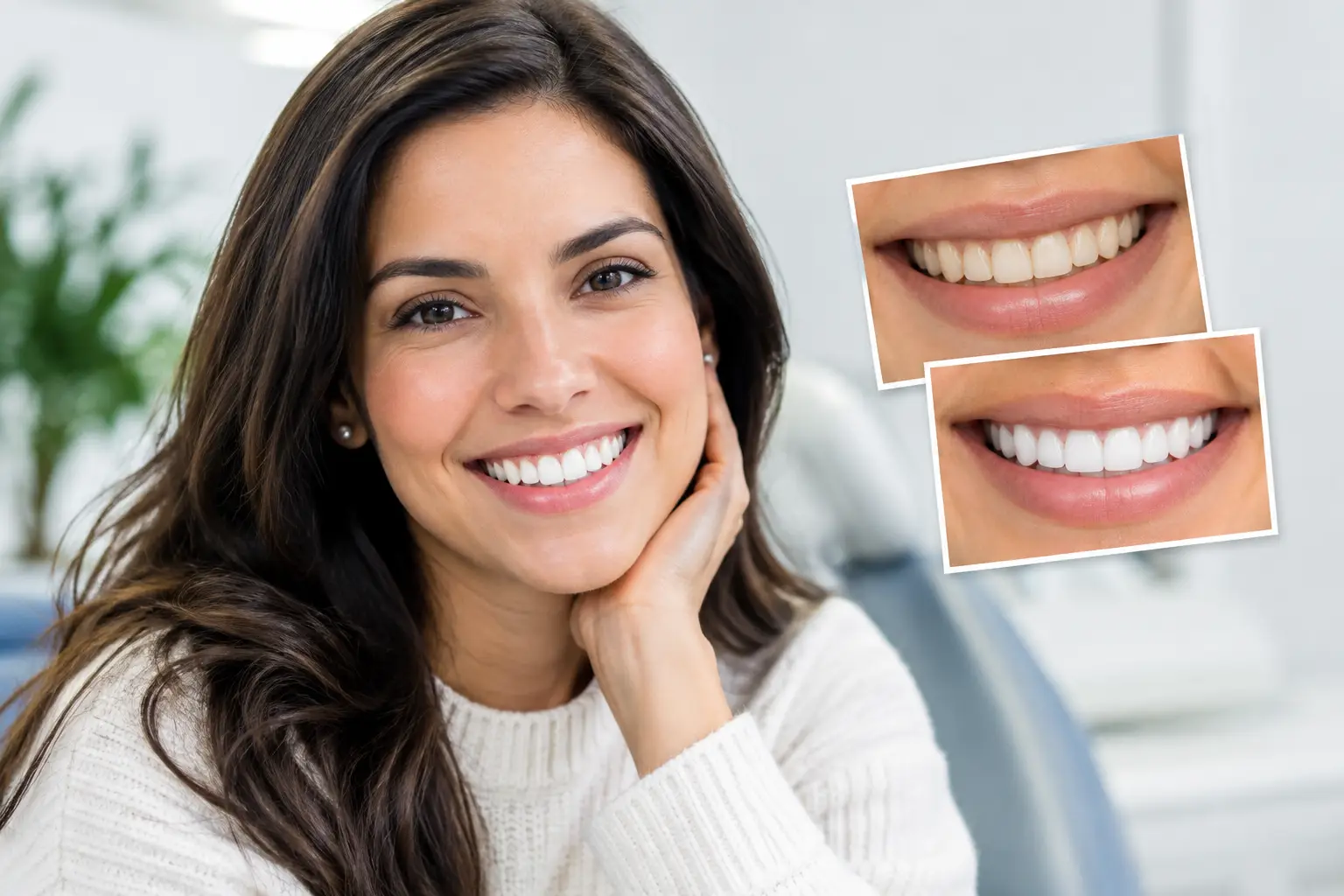
A smile makeover is rarely about creating a perfectly identical set of bright white teeth. More often, it is about resolving the concerns that make someone cover their mouth in photos, avoid smiling at work, or feel self-conscious during everyday conversations. These smile makeover examples show how cosmetic and restorative dentistry can be tailored to real needs, from one discolored tooth to a smile affected by wear, gaps, or missing teeth.
The right plan begins with more than an image of your teeth. Your dentist considers your oral health, bite, gum tissue, facial features, daily habits, and what you want your smile to feel like. For some patients, a modest update makes the biggest difference. For others, rebuilding function and appearance together is the priority.
Smile Makeover Examples Based on Common Concerns
A brighter smile for teeth stained by coffee, tea, or aging
Teeth whitening is one of the simplest smile makeover options for adults whose teeth are healthy but have become yellow or dull over time. Professional whitening can lift many surface and deeper stains caused by coffee, tea, red wine, tobacco, and normal aging. It can be a good choice before a wedding, reunion, job change, or simply when you want your smile to look more refreshed.
Whitening works best on natural tooth enamel. Existing crowns, veneers, fillings, and bonding will not lighten, so your dental team may recommend whitening first and then replacing visible restorations to match the new shade. Patients with tooth sensitivity, gum recession, or untreated decay may need a different approach or treatment before whitening.
Repairing a chipped or uneven front tooth
A small chip can draw more attention than its size suggests, especially on a front tooth. Cosmetic bonding is often a conservative option for smoothing a chipped edge, adjusting minor asymmetry, or filling a small gap. The dentist applies tooth-colored composite resin, shapes it carefully, and polishes it to blend with the surrounding enamel.
Bonding is typically quicker and less invasive than veneers, making it appealing for patients who want a subtle change. The trade-off is that composite can stain or chip over time, particularly for people who bite their nails, chew ice, or grind their teeth. A custom nightguard may help protect the result when grinding is a concern.
Closing spaces without making teeth look oversized
Gaps between teeth can be charming for some people and a source of frustration for others. The best solution depends on why the space is present. When tooth size and spacing are the main issue, bonding or veneers may create a balanced look. When several teeth are crowded, rotated, or spaced unevenly, orthodontic treatment such as Invisalign may be the healthier, more predictable choice.
A thoughtful makeover does not simply make every tooth wider to close a gap. It considers proportions, gum contours, and your bite. In some cases, a small amount of bonding after orthodontic treatment provides the most natural finishing touch.
Veneers for multiple concerns at once
Porcelain veneers are thin, custom-made shells placed over the front surface of teeth. They can address several visible concerns at the same time, including stubborn discoloration, worn edges, uneven shapes, minor chips, and small gaps. A patient who has tried whitening but still dislikes the color or shape of several front teeth may be a good candidate for veneers.
Veneers can create a beautiful, durable result, but they require careful planning. Depending on the case, a small amount of enamel may need to be adjusted, and veneers are a long-term restoration rather than a temporary cosmetic fix. They also require healthy gums and a stable bite. If active gum disease, decay, or significant clenching is present, those issues should be addressed first.
Straightening crowded teeth with Invisalign
Some makeovers are less about adding material to teeth and more about moving the natural teeth into a better position. Invisalign uses clear, removable aligners to straighten many mild to moderate cases of crowding, spacing, and bite concerns. For adults who missed orthodontic treatment earlier in life, this can be an appealing way to improve alignment without traditional brackets.
Straightening teeth can improve more than appearance. Properly aligned teeth may be easier to brush and floss, and correcting the bite can help reduce uneven wear in certain cases. Treatment requires consistency, though. Aligners need to be worn as directed, and retainers are necessary after treatment to help maintain the new position.
Rebuilding worn, short, or damaged teeth
Teeth can gradually look shorter from grinding, clenching, acid erosion, or years of normal wear. A smile makeover for worn teeth may include bonding, crowns, veneers, or a combination of treatments. The goal is not only to restore a youthful tooth shape but also to create a bite that supports the new restorations.
This is one situation where a cosmetic shortcut can cause problems. If the underlying bite is not evaluated, new bonding or veneers may chip, crack, or wear prematurely. A comprehensive examination helps determine whether a nightguard, orthodontic treatment, gum care, or more extensive restorative dentistry should be part of the plan.
Replacing a missing tooth in the smile zone
A missing front tooth affects confidence, speech, and chewing. A dental implant with a custom crown is often a strong long-term option because it replaces both the visible tooth and the root beneath the gumline. It can help preserve bone and avoids placing crowns on neighboring healthy teeth, as a traditional bridge may require.
Not every patient is an immediate implant candidate. Bone volume, gum health, medical history, and healing needs all matter. A temporary tooth replacement may be used during treatment so you are not left with a visible gap. For some patients, a bridge or removable option may be the more appropriate choice based on timing, budget, and oral health.
Healthy Gums Are Part of Every Beautiful Smile
One of the most meaningful smile makeovers may start with the gums rather than the teeth. Redness, bleeding, swelling, recession, or uneven gumlines can change the appearance of an otherwise healthy smile. Gum disease treatment and ongoing periodontal care protect the foundation that supports your teeth and restorations.
In some cases, reshaping excess gum tissue can reveal more of the natural tooth surface and improve proportions. In others, treating inflammation is enough to make the smile look cleaner and healthier. Cosmetic treatment placed over unhealthy gums is unlikely to look its best or last as long as it should.
What a Personalized Smile Makeover Visit Looks Like
At Sendero Dental Studio, a smile consultation should feel like a conversation, not a sales pitch. You can share what you notice when you look in the mirror, point out a tooth that bothers you in photos, or explain that you want an improvement that still looks like you. Your dental team can examine your teeth and gums, discuss your health history, and use modern diagnostic tools to understand your bite and treatment needs.
From there, the plan may be as straightforward as whitening and bonding, or it may be phased over time. For example, a patient might begin with a cleaning and gum treatment, move into Invisalign, and later choose whitening or veneers. Staging care can make a larger goal feel more manageable while protecting the health of your smile at every step.
Cost, timing, durability, and maintenance are honest parts of the discussion. Whitening may need periodic touch-ups. Bonding may eventually need repair. Porcelain restorations are highly durable but still need regular checkups and good home care. The best treatment is the one that fits your clinical needs, lifestyle, and long-term goals.
Choosing Results That Still Feel Like You
The most successful cosmetic dentistry is often the kind that friends notice without being able to identify exactly what changed. Natural translucency, tooth proportions, subtle color variation, and a balanced gumline matter as much as brightness. A healthy smile should look comfortable on your face, work well when you eat and speak, and be practical to maintain.
If you have been thinking about a change, begin by naming one concern rather than trying to choose a treatment on your own. Whether it is a chipped tooth, stubborn stains, uneven spacing, or a missing tooth, a personal consultation can turn that concern into a clear, comfortable next step.