
What to Expect During Dental Implant Surgery
Table of Contents
- Understanding Dental Implants and the Surgical Process
- How Long Does Dental Implant Surgery Take
- Preparation Steps Before Your Surgery
- What Happens During the Surgical Procedure
- Dental Implant Surgery Pain Management Strategies
- Dental Implant Recovery Timeline and Healing Stages
- Warning Signs and When to Contact Your Dentist
- Frequently Asked Questions
Last Updated: August 30, 2026
Understanding Dental Implants and the Surgical Process
A dental implant is a surgical replacement for a missing tooth root, typically made from titanium, that’s anchored directly into your jawbone. The implant serves as a foundation for a prosthetic tooth or crown that looks and functions like a natural tooth. At Sendero Dental Studio, we understand that dental implant surgery can feel overwhelming if you’ve never experienced it before, which is why we’re breaking down exactly what happens from start to finish.
The surgical procedure itself is one of the most significant investments in your oral health. It’s not a quick fix, it’s a multi-step process that requires precision, planning, and patience. Understanding what to expect during dental implant surgery removes much of the anxiety around the experience and helps you prepare mentally and physically for the day of your procedure.
The implant process involves placing a titanium post directly into your jawbone through a surgical incision in your gum tissue. Once the implant is positioned, your body begins a biological process called osseointegration, where the bone gradually fuses with the implant surface. This creates a stable, permanent anchor for your artificial tooth. The entire timeline from surgery to a fully functional restored tooth typically spans several months, but the payoff is a tooth replacement that can last decades.
How Long Does Dental Implant Surgery Take
The actual surgical procedure for dental implant surgery typically takes between 30 minutes to two hours, depending on several factors (the American Dental Association). If you’re replacing a single tooth with a straightforward case, expect the shorter end of that range. More complex situations, such as multiple implants, bone grafting, or extracting a damaged tooth during the same appointment, can extend the procedure closer to two hours.
The timeline breaks down roughly like this: preparation and anesthesia administration takes about 10-15 minutes, the actual implant placement takes 20-40 minutes per implant, and final adjustments and closure take another 10-15 minutes. If your oral surgeon needs to perform bone grafting because your jawbone lacks sufficient density, that adds 30-60 minutes to the total time.
What matters more than the clock time is the quality of the placement. Rushing through implant surgery compromises long-term success. Your surgeon will take the time needed to ensure proper positioning, adequate bone contact, and correct angulation.
Recovery from the surgical procedure itself is relatively quick. Most patients return to light activities within a few days, though complete healing takes much longer. The bone fusion process, osseointegration, is what truly determines your implant’s success, and that happens invisibly over the next three to six months (peer-reviewed research).
Preparation Steps Before Your Surgery
Before you arrive for dental implant surgery, several preparation steps ensure the procedure goes smoothly and reduces complications. Your first step is a comprehensive consultation where your surgeon evaluates your jawbone density, reviews your medical history, and discusses your expectations. This is also when they’ll take radiographic imaging, typically X-rays or computed tomography scans, to map out your jawbone structure and determine the exact placement location.
Roughly two weeks before your surgery, your dentist will review any medications you’re taking. Blood thinners like aspirin or warfarin may need to be paused temporarily; antibiotics might be prescribed to prevent infection (the FDA). Discuss all medications and supplements with your surgical team. If you smoke, this is the time to quit or significantly reduce, as smoking impairs bone healing and increases infection risk.
The day before surgery, eat normally but plan to fast after midnight if you’ll receive sedation dentistry. Arrange transportation home, as you won’t be able to drive immediately after the procedure. Wear comfortable, loose-fitting clothing on surgery day, nothing that needs to go over your head. Bring a list of any questions you want answered before the procedure begins.
On the morning of your appointment, brush your teeth gently but skip mouthwash. Arrive 15 minutes early to complete paperwork. Your surgical team will review the procedure one final time, confirm your comfort level, and answer any last-minute concerns. This is your final chance to voice anxieties or ask clarifying questions. A good surgical team welcomes this conversation.
What Happens During the Surgical Procedure
When you’re ready for dental implant surgery, you’ll be escorted to the surgical operatory where the procedure takes place. Your surgeon will apply local anesthesia to numb the surgical site, and you may also receive sedation dentistry to help you relax. Once the anesthesia takes effect, you won’t feel pain during the procedure, you might feel pressure or vibration, but not sharp discomfort.
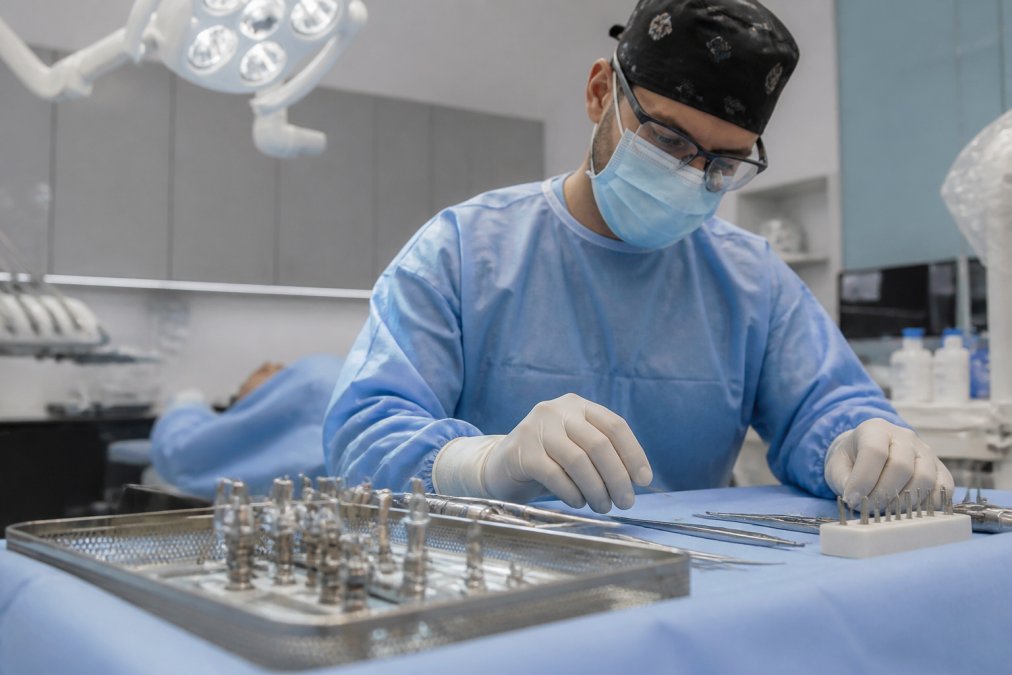
Your surgeon begins by making a precise gum incision at the implant site. This exposes the underlying alveolar bone. Using specialized surgical drills, they carefully create a socket in the bone that’s slightly smaller than the implant diameter. This tight fit ensures the implant has maximum contact with bone tissue, which is essential for osseointegration.
The titanium post is then gently inserted into the prepared socket. Your surgeon verifies the position and stability using radiographic imaging to confirm correct angulation and depth. Once satisfied with placement, they may place a healing abutment, a small connector piece that protrudes above the gum line, or leave the implant site covered with a temporary prosthesis depending on your surgeon’s protocol.
The gum tissue is sutured closed around the implant or abutment. Some surgeons use sutures that dissolve naturally over time; others place sutures that need removal after 7-10 days. Throughout the procedure, your surgical team monitors your vital signs and ensures your comfort. The entire process, from incision to closure, typically takes 30 minutes to an hour per implant.
After the implant is placed, you’ll move to a recovery area where you rest for 30-60 minutes while the anesthesia wears off. Your surgical team will provide post-operative instructions and prescribe pain management medications if needed. Most patients feel alert enough to go home within an hour of completing the procedure.
Dental Implant Surgery Pain Management Strategies
One of the biggest concerns patients have about dental implant surgery is pain, but the reality is that modern pain management makes the procedure far more comfortable than many expect. During the surgery itself, local anesthesia completely numbs the surgical site, so you won’t experience sharp pain. You might feel pressure, vibration, or hear the surgical drill, but these sensations aren’t painful.
The real pain management challenge comes in the days after your procedure. Post-operative discomfort is normal and typically peaks around day two or three, then gradually subsides. Most patients describe it as a dull ache or soreness rather than acute pain. Over-the-counter pain medications like ibuprofen or acetaminophen manage this discomfort effectively for many people.
Your surgeon will likely prescribe stronger pain medication if needed, particularly if you had bone grafting or multiple implants placed. Take these medications exactly as directed, and don’t skip doses in the first 48 hours, staying ahead of pain is easier than catching up after it escalates. Many patients find that ice application during the first 24-48 hours reduces swelling and numbs the area naturally, providing additional relief without medication.
Swelling is a normal part of healing and actually peaks around day two or three, later than the peak pain. Elevating your head while sleeping, using ice packs, and taking prescribed anti-inflammatory medications help manage this. Avoid strenuous activity, heavy lifting, or intense exercise for at least one week after your procedure, as physical exertion increases blood flow and can increase both pain and swelling.
By day four or five, most patients transition to over-the-counter pain relief and feel significantly better. By two weeks, many patients forget they had surgery. If pain persists beyond two weeks or suddenly worsens, contact your surgeon immediately, this could indicate infection or other complications requiring attention.
Dental Implant Recovery Timeline and Healing Stages
The recovery timeline for dental implant surgery spans several distinct phases, each with different expectations and care requirements. Understanding this timeline helps you plan appropriately and recognize what’s normal versus what warrants a call to your surgeon.

Days 1-3: Immediate Post-Operative Period
These are the most critical days. Swelling peaks around day two or three. You might experience minor bleeding when you touch the area, this is normal. Rest as much as possible, keep your head elevated, and apply ice packs for 20 minutes on, 20 minutes off during waking hours. Stick to soft foods like yogurt, applesauce, smoothies, and soup. Avoid hot foods and beverages for at least a week.
Week 1: Early Healing Phase
By day four, most patients feel dramatically better. The initial swelling begins subsiding. You can return to light activities like gentle walking, but avoid anything strenuous. Continue soft foods and avoid anything requiring chewing near the implant site. If sutures need removal, this typically happens around day 7-10. Minor bleeding or oozing might occur, this is normal.
Weeks 2-4: Soft Tissue Healing
The gum tissue around your implant is healing. You can gradually introduce more solid foods, but continue avoiding hard, crunchy, or sticky items. Gentle oral hygiene is important, brush carefully around the surgical site and rinse with warm salt water several times daily. Most patients resume normal activities by week three or four.
Months 2-6: Osseointegration Phase
This is when the real magic happens, though you won’t see it happening. Your bone is fusing with the titanium implant in a process called osseointegration. This phase is invisible but absolutely critical for long-term success. You might feel occasional twinges or sensitivity, but significant pain isn’t normal at this stage. Continue avoiding hard foods that could stress the implant site.
Month 6 and Beyond: Restoration Phase
Once osseointegration is complete, your surgeon places the permanent abutment and crown. This is when you finally have a functional tooth. The entire timeline from implant placement to completed restoration typically takes 6-9 months, sometimes longer depending on bone quality and whether bone grafting was necessary.
Warning Signs and When to Contact Your Dentist
While complications from dental implant surgery are relatively uncommon, knowing what warning signs warrant immediate contact with your surgeon ensures you catch problems early. Most post-operative issues are manageable when addressed quickly but can escalate if ignored.
Seek immediate attention if you experience:
Severe pain that doesn’t respond to prescribed medications or over-the-counter pain relievers. Some discomfort is expected, but severe pain could indicate infection, nerve damage, or implant failure.
Excessive bleeding that doesn’t slow after 30 minutes of gentle pressure with clean gauze. Minor oozing is normal, but continuous heavy bleeding needs evaluation.
Signs of infection including fever above 101°F, increasing swelling after day three, pus or discharge from the surgical site, or a foul taste in your mouth. These symptoms require prompt antibiotic treatment.
Difficulty swallowing, severe difficulty breathing, or swelling that extends to your throat or neck. These rare but serious symptoms need emergency evaluation.
Implant mobility or movement. The implant should feel completely stable. Any movement suggests improper osseointegration.
Numbness or tingling that persists beyond a few weeks or affects a larger area than expected. This could indicate nerve involvement.
Schedule a follow-up appointment if you notice:
Persistent bad breath or foul taste beyond the first week. This might indicate a localized infection.
Gum recession around the implant or visible implant showing through the gum tissue.
Difficulty chewing or bite problems once your crown is placed.
Clicking or shifting sensations in your restored tooth.
These warning signs don’t necessarily mean implant failure, but they warrant professional evaluation. Your surgeon has invested in your successful outcome and wants to address any concerns promptly.
Dental implant surgery is a significant procedure, but understanding what to expect transforms anxiety into confidence. From the initial preparation through the months of healing, knowing each phase helps you take appropriate care and recognize when something needs attention. At Sendero Dental Studio, we guide patients through every step of the implant journey, using advanced technologies and personalized care to ensure comfortable, successful outcomes. If you’re considering dental implants or want to discuss whether they’re right for your situation, Request Your Appointment to schedule a comprehensive consultation. Our experienced team is ready to answer your questions and help you restore your smile with a solution that lasts.
Frequently Asked Questions
Q: How painful is dental implant surgery?
A: During the procedure, local anesthesia and sedation dentistry options keep you comfortable and pain-free. You may feel pressure or vibration, but not pain. Post-operative discomfort typically peaks 24-48 hours after surgery and is manageable with over-the-counter medication and ice therapy. Most patients describe it as mild to moderate soreness rather than sharp pain. Your oral surgeon will discuss pain management strategies during your consultation.
Q: What should I know before undergoing dental implant surgery?
A: Understanding the full process reduces anxiety significantly. Know that the procedure involves creating a gum incision, preparing the alveolar bone, and placing a titanium post that will integrate with your jawbone through osseointegration. Recovery typically takes 3-6 months. Avoid smoking, follow dietary guidelines during healing, and arrange transportation home. Discuss any medications, medical conditions, and anxiety concerns with your dentist beforehand to ensure proper preparation and sedation options.
Q: What is the dental implant recovery timeline?
A: Initial healing occurs over 7-10 days as soft tissue heals and post-operative swelling decreases. Osseointegration, where the titanium post fuses with your jawbone, takes 3-6 months. During this period, avoid strenuous activity and follow dietary guidelines. Follow-up appointments monitor implant stability and healing progress. After osseointegration is complete, an abutment is attached and a dental crown is placed. Full restoration typically takes 4-8 months total, depending on individual healing and bone density.
Q: What warning signs mean I should contact my dentist after surgery?
A: Contact your dentist immediately if you experience severe pain not controlled by medication, excessive bleeding beyond minor bleeding in the first 24 hours, signs of infection (fever, pus, increasing swelling after 3 days), or difficulty breathing or swallowing. Implant failure signs include persistent mobility of the implant site, significant bone loss visible on radiographic imaging, or peri-implantitis symptoms. Early intervention prevents complications and protects your implant investment.
Q: Can I eat normally during dental implant recovery?
A: No. Follow specific dietary guidelines during the healing phase. Stick to soft foods like yogurt, smoothies, mashed potatoes, and soup for the first week. Avoid hot foods and drinks for 24 hours. As healing progresses, gradually introduce firmer foods while avoiding anything hard, sticky, or crunchy that could disturb the surgical site. Stay hydrated and avoid alcohol, which can interfere with healing and interact with pain medication.
Q: Will I need bone grafting for my dental implant?
A: Not everyone requires bone grafting. Your dentist will assess your jawbone density using computed tomography imaging. If your alveolar bone is insufficient to support the titanium post, bone grafting may be recommended. This procedure adds time to your overall timeline but ensures your implant has a stable foundation. Your dentist will discuss whether grafting is necessary during your consultation and explain the additional healing period required.
This article was written using GrandRanker