
How to Overcome Fear of Dentist: 7 Proven Strategies
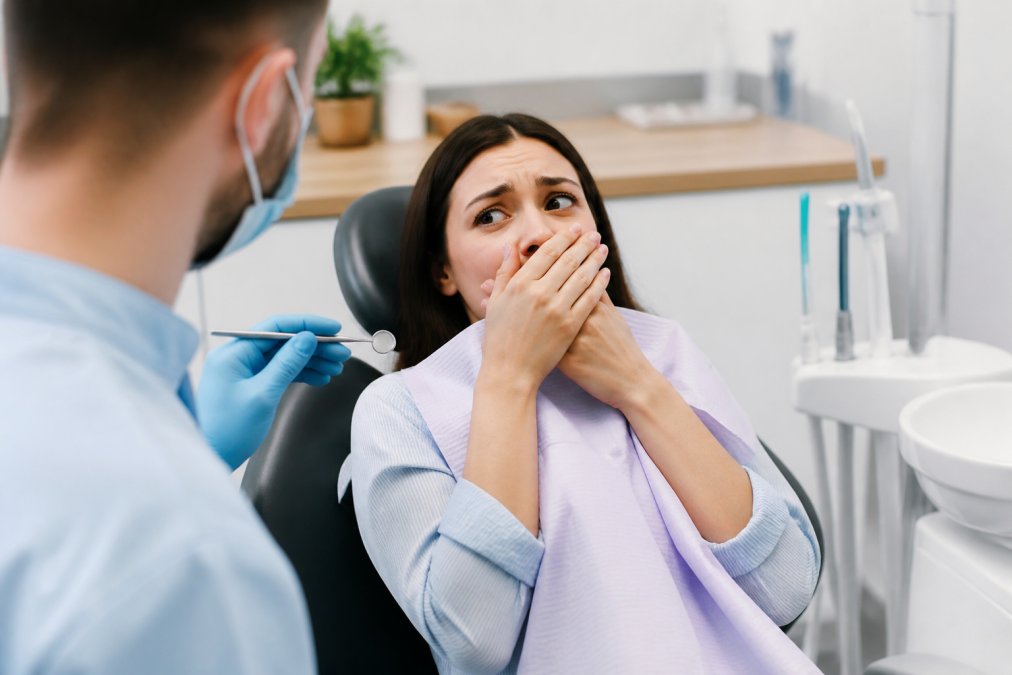
Table of Contents
- Understanding Dental Anxiety and Phobia
- How to Talk to Your Dentist About Anxiety
- Dental Anxiety Management Techniques You Can Use Today
- Sedation Dentistry Options for Severe Fear
- Gradual Exposure Therapy and Desensitization
- Finding a Dentist Who Understands Your Fears
- Building Confidence After a Dental Visit
- Frequently Asked Questions
Last Updated: August 29, 2026
Understanding Dental Anxiety and Phobia
Dental anxiety is a feeling of worry or unease before or during a dental visit, while dentophobia (also called dental phobia) is an intense, persistent fear that significantly disrupts daily life and prevents people from seeking necessary care. The distinction matters because anxiety is common and manageable, but phobia often requires professional intervention beyond standard coping techniques.
Many people experience some level of dental anxiety. It can stem from past negative experiences, fear of pain, loss of control, or embarrassment about the state of their teeth. For some, the anxiety is mild and manageable. For others, the fear becomes so overwhelming that they avoid dental care entirely, which leads to serious oral health problems that compound over time.
At Sendero Dental Studio, we recognize that dental fear is real and valid. Our team works with anxious patients regularly, and we’ve learned that the right approach, combining communication, relaxation techniques, and sometimes sedation, makes a tremendous difference in helping people get the care they need.
The good news is that how to overcome fear of dentist is absolutely achievable. Whether your anxiety is rooted in past trauma, fear of needles, worry about pain, or simply the unfamiliar environment, there are proven strategies that work. This guide walks you through seven evidence-based approaches to help you move past dental fear and maintain your oral health.
How to Talk to Your Dentist About Anxiety
Open communication is the foundation of managing dental anxiety. Many patients suffer in silence, assuming their dentist won’t take their concerns seriously or won’t know how to help. The reality is that dentists expect anxiety questions and have tools and techniques specifically designed to address them.
Start by telling your dentist about your anxiety before your appointment, if possible. A phone call or message to the office gives your dental team time to prepare and adjust their approach. Be specific about what triggers your fear: Is it the sound of the drill? The feeling of instruments in your mouth? The smell of the office? Fear of needles? Worry about cost? The more detail you provide, the better your dentist can help.

During your appointment, establish a signal system with your dentist. Many practices use a hand raise or finger gesture to mean “pause, I need a break.” Knowing you can stop the procedure at any moment gives you a sense of control, which directly reduces anxiety. Ask your dentist to explain what they’re doing step by step, and request frequent breaks if you need them.
Discuss your past dental experiences. If you’ve had a painful procedure or felt rushed by a previous dentist, say so. Your current dentist can take extra time, use numbing agents more generously, or adjust their technique based on what you tell them. This conversation also helps rule out any actual medical reasons for your anxiety, sometimes pain sensitivity is real and needs to be addressed differently.
Ask about sedation options upfront. If your anxiety is severe, knowing that sedation is available can itself reduce anxiety before the appointment. We’ll cover sedation in detail later, but the key is to discuss it early so there are no surprises.
Dental Anxiety Management Techniques You Can Use Today
Before you even arrive at the dental office, you can use proven relaxation techniques to calm your nervous system. These methods work because they shift your body from a stress response (fight-or-flight) to a calm response, lowering your heart rate and reducing the physical symptoms of anxiety.
Deep Breathing and Progressive Muscle Relaxation
Deep breathing is one of the simplest and most effective ways to manage anxiety in the moment. When we’re anxious, our breathing becomes shallow and rapid, which signals to our brain that we’re in danger. By deliberately slowing and deepening your breath, you send the opposite signal.
The 4-7-8 breathing technique is especially useful before and during dental visits (peer-reviewed research). Breathe in through your nose for a count of four, hold for a count of seven, and exhale through your mouth for a count of eight. Repeat this cycle five to ten times. The longer exhale activates your parasympathetic nervous system, which is your body’s natural calming mechanism (the NIH). You can do this in the waiting room, in the dental chair, or even at home the night before your appointment.

Progressive muscle relaxation works by tensing and then releasing different muscle groups. Start with your feet: tense the muscles for five seconds, then release and notice the difference. Move up through your calves, thighs, abdomen, chest, arms, and face. This technique gives your mind something to focus on besides your anxiety, and it physically releases the tension that builds up when you’re scared.
Guided Imagery and Distraction Methods
Guided imagery means creating a detailed mental image of a calm, safe place. Before your dental appointment, spend a few minutes visualizing a location where you feel completely relaxed, a beach, a forest, a cozy room, anywhere that brings you peace. Engage all your senses: What do you see? What sounds do you hear? What does the air feel like on your skin? During your dental visit, you can return to this mental image when anxiety starts to rise.
Many dental offices now offer distraction techniques to help you stay calm during the procedure. Some practices provide noise-canceling headphones so you can listen to music or a guided meditation. Others have ceiling-mounted screens showing calming videos or nature scenes. Ask your dentist if these options are available. Even something as simple as focusing on the pattern of the ceiling tiles or the color of the walls can help redirect your attention away from what’s happening in your mouth.
Bring your own distraction if the office doesn’t provide one. Some patients find it helpful to hold a stress ball, count backward from 100, or mentally recite a favorite poem. The goal is to occupy your mind with something other than the dental procedure.
Sedation Dentistry Options for Severe Fear
When anxiety is severe enough that relaxation techniques and communication aren’t enough, sedation dentistry offers a safe way to receive necessary care. Sedation dentistry options range from mild to deep, depending on your level of anxiety and the complexity of the procedure.
Nitrous oxide, commonly called “laughing gas,” is the mildest form of sedation. You breathe it in through a mask, and it produces a mild euphoric effect that helps you relax while remaining conscious and able to respond to your dentist. The effects wear off quickly once the mask is removed, so you can often drive yourself home. Many patients find nitrous oxide helpful for managing anxiety during routine cleanings or simple procedures.
Oral sedation involves taking a prescribed anti-anxiety medication before your appointment. You remain awake but deeply relaxed, and you may not remember much of the procedure afterward. This option works well for patients with moderate to severe anxiety who need to undergo longer or more complex procedures. You’ll need someone to drive you home, as the medication affects your ability to operate a vehicle.
IV sedation delivers medication directly into your bloodstream, allowing your dentist to adjust the level of sedation throughout the procedure. You’ll be in a twilight state, conscious but deeply relaxed and unlikely to remember the appointment. This is often used for major procedures like extractions or implant placement in patients with significant dental phobia.
General anesthesia, where you’re completely unconscious, is rarely used in general dental offices but may be an option for extensive procedures or patients with severe anxiety who are referred to a surgical center. This requires more extensive monitoring and recovery time.
Talk with your dentist about which sedation option might be right for you. Each has different costs, recovery times, and restrictions, so a consultation will help you make an informed decision.
Gradual Exposure Therapy and Desensitization
Exposure therapy is a psychological technique that works by gradually reducing your fear response through repeated, controlled exposure to the thing you fear (peer-reviewed research). In the context of dental anxiety, this means slowly and deliberately exposing yourself to dental environments and procedures in a way that feels manageable.
Start small. If you’re terrified of the dentist, your first step might simply be to visit the dental office without an appointment, just to sit in the waiting room for a few minutes and get used to the environment. Once that feels comfortable, schedule a consultation where you talk to the dentist but don’t have any work done. On your next visit, you might have your teeth examined but no cleaning. The following appointment could include a cleaning but no other work.
This gradual approach works because it allows your brain to learn that the dental office is not actually dangerous. Each time you experience the feared situation without a negative outcome, your anxiety decreases. Over time, what once felt terrifying becomes manageable, and eventually routine.
Desensitization is similar but involves pairing the feared experience with something relaxing. For example, you might practice deep breathing while sitting in the dental chair, or listen to calming music while the dentist explains what they’ll be doing. By pairing the dental environment with relaxation, you’re training your nervous system to respond with calm instead of fear.
This approach takes time and patience, but it’s highly effective for people with significant dental phobia who want to address the root of their fear rather than just manage symptoms during appointments.
Finding a Dentist Who Understands Your Fears
Not all dentists are equally skilled at working with anxious patients. Some practices specialize in anxiety management, while others may dismiss your concerns or rush through appointments without accommodating your needs. Finding the right dentist makes an enormous difference.
Look for practices that specifically mention anxiety management or compassionate care in their marketing materials or website. Call ahead and ask how they work with nervous patients. Do they offer sedation options? Will they spend extra time explaining procedures? Are they willing to go slowly and take breaks? Pay attention to how the staff responds to your questions, if they seem dismissive or impatient, they’re probably not the right fit.
Ask for referrals from friends or family members who also experience dental anxiety. Personal recommendations from people who’ve had positive experiences are invaluable. You can also look for online reviews that specifically mention anxiety management or patient comfort.
Consider visiting a practice for a consultation before committing to treatment. Meet the dentist, see the office environment, and get a feel for whether you’d be comfortable there. A welcoming, clean, modern office with calm lighting and supportive staff goes a long way toward reducing anxiety from the moment you walk in the door.
At Sendero Dental Studio, we’ve built our practice around the principle that dental care should be comfortable and personalized. We take time to listen to your concerns, explain procedures thoroughly, and work at your pace. Our team understands that anxiety is real, and we have the tools and experience to help you get the care you need without fear.
Building Confidence After a Dental Visit
The period after your appointment is crucial for building long-term confidence. A positive experience reinforces that the dentist is a safe place, which makes your next visit easier.
After your appointment, take a moment to acknowledge what you accomplished. You faced your fear and got through it. That’s a real achievement, and it deserves recognition. Tell yourself that the next appointment will be easier because you now have proof that you can do this.
If your appointment went well, reinforce that positive experience by scheduling your next visit before you leave the office. Having the appointment on the calendar removes the barrier of having to make the call when anxiety might be high. It also keeps you in a positive mindset, you just had a good experience, so booking the next one while that feeling is fresh is powerful.
Avoid the temptation to put off your next appointment for months or years. Regular visits (typically every six months for cleanings) make each appointment feel more routine and less scary. The longer you wait between visits, the more anxiety builds up again.
If something went wrong during your appointment, if you experienced unexpected pain or felt rushed, address it directly with your dentist. Let them know what happened and what you need differently next time. Most dentists want to know if a patient is struggling so they can adjust their approach.
Over time, as you have more positive dental experiences, your anxiety will naturally decrease. Your brain learns that the dental office is not a threat, and what once required careful management becomes just another routine part of taking care of yourself.
Getting the dental care you need doesn’t have to mean suffering through anxiety or fear. Whether your anxiety is mild or severe, there are proven strategies that work, from simple breathing techniques to sedation options to finding the right dentist who takes your concerns seriously. The key is taking that first step, even if it’s small. At Sendero Dental Studio, we’re here to support you through that process with personalized, compassionate care designed to help you overcome fear of dentist visits and maintain your oral health for life. Request your appointment today and experience the difference that truly personal dental care makes.
Frequently Asked Questions
What is the difference between dental anxiety and dental phobia?
Dental anxiety is nervousness or worry before or during a dental visit, it’s manageable and doesn’t prevent you from seeking care. Dental phobia is a more severe, persistent fear that often leads to avoidance behavior and can result in serious oral health problems. Both respond well to treatment, but phobia typically requires more intensive approaches like cognitive behavioral therapy or sedation dentistry to help you overcome fear of dentist care.
How can I communicate my dental fears to my dentist?
Be direct and specific about what triggers your fear, whether it’s the sound of equipment, fear of needles, fear of pain, or loss of control. Use phrases like ‘I feel anxious about X’ or ‘I’ve had a bad experience with Y.’ Request a tour of the office beforehand, ask your dentist to explain each step before doing it, and establish a hand signal to pause if you need a break. A dentist experienced with anxious patients will welcome this conversation and adjust their approach.
What are the most effective ways to manage dental anxiety?
Effective techniques include deep breathing (inhale for 4 counts, hold for 4, exhale for 4), progressive muscle relaxation, guided imagery, and distraction through music or movies during procedures. For moderate to severe anxiety, sedation dentistry options like nitrous oxide can help you relax. Cognitive behavioral therapy and gradual exposure therapy, visiting the dentist office without treatment first, also build confidence over time. Many people benefit from a combination of these approaches.
Is sedation dentistry safe for people with dental anxiety?
Yes, sedation dentistry is a safe, well-established option when administered by a qualified dental professional. Common options include nitrous oxide (laughing gas), which wears off quickly, and anti-anxiety medications like oral sedation. Your dentist will review your medical history, discuss any concerns, and monitor you throughout the procedure. Sedation allows anxious patients to receive necessary care while feeling calm and comfortable, making it easier to overcome fear of dentist visits over time.
This article was written using GrandRanker