
Why Early Orthodontic Screening Is Recommended
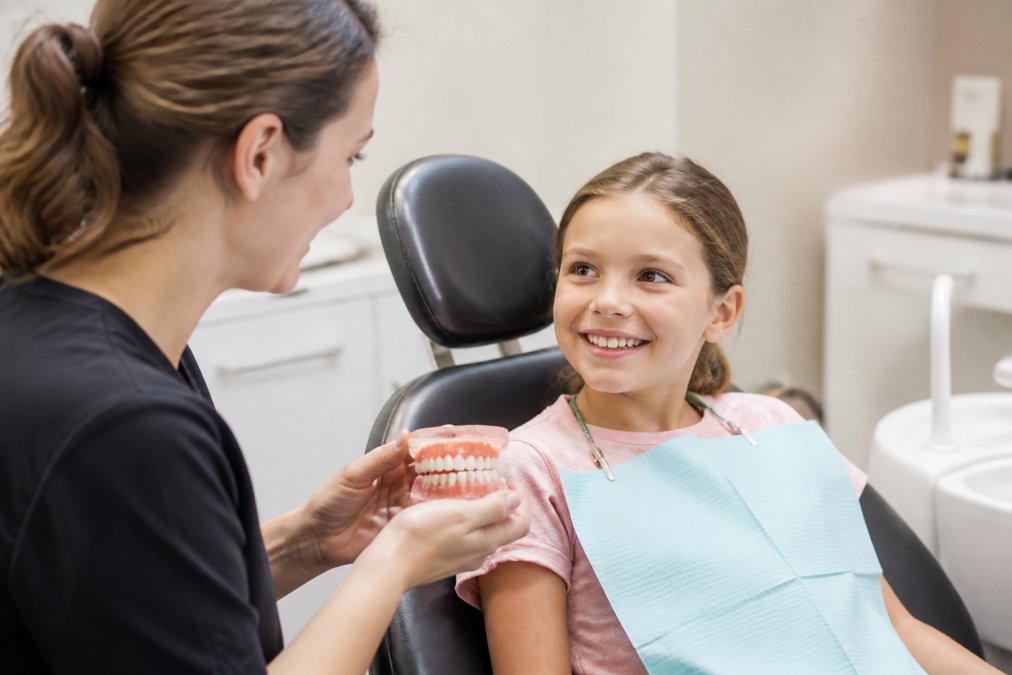
Table of Contents
- Why Early Orthodontic Screening Is Recommended: The Age 7 Benchmark
- Signs Your Child Needs an Orthodontist: When to Seek an Evaluation
- Benefits of Interceptive Orthodontics: Preventive vs. Interceptive Care
- Managing Your Child’s Experience: Sensory and Anxiety Considerations
- Long-Term Retention and Stability After Early Treatment
- The Role of a Comprehensive Treatment Plan and Pediatric Dentistry Collaboration
- Frequently Asked Questions
Last Updated: September 24, 2026
Why Early Orthodontic Screening Is Recommended: The Age 7 Benchmark
Every child receive a first orthodontic screening by age 7. At Sendero Dental Studio, we explain this benchmark to parents every week, and the reasoning is practical rather than arbitrary: by age 7, enough permanent teeth have erupted for a clinician to evaluate how the bite is developing, while the jaw is still growing and adaptable.
Early orthodontic screening is a brief, painless evaluation of jaw growth, bite alignment, and emerging teeth. It does not mean treatment starts immediately. In many cases, the outcome is simply a baseline record and a plan to monitor development over the next few years.

The age 7 benchmark exists because this is the first window when a dentist can detect problems that are far easier to guide now than to correct later. The American Association of Orthodontists guidance on the age 7 screening frames it as a check, not a commitment to braces.
What Happens During an Orthodontic Screening
An orthodontic screening is a short appointment that combines a visual exam, bite assessment, and often a panoramic X-ray to see teeth that have not yet erupted. The clinician checks how the upper and lower jaws meet, whether there is crowding or spacing, and whether any habits or airway concerns are affecting development.
Most screenings take 20 to 30 minutes. You leave with one of three answers: no concerns, monitor and recheck, or a recommendation for interceptive treatment. That clarity is the point. A screening gives you information early, when your options are widest.
The Impact of Jaw Growth on Tooth Alignment
Jaw growth is the single biggest reason timing matters in orthodontics. The upper jaw typically finishes most of its growth earlier than the lower jaw, and a mismatch between the two can produce an overbite, underbite, or crossbite that worsens with age.
When a clinician catches a skeletal growth discrepancy while the jaw is still developing, guidance can sometimes influence how the jaws relate. Once growth is complete, the same problem may require a more involved approach. This is the core argument for early evaluation: you are working with growth instead of against it.
Signs Your Child Needs an Orthodontist: When to Seek an Evaluation
Certain signs justify an evaluation before or after age 7, and you do not need a referral to book one. Watch for early or late loss of baby teeth, difficulty chewing or biting, mouth breathing, thumb sucking that persists past age 4, teeth that do not meet normally, or jaws that shift or click.
The American Dental Association’s overview of orthodontic evaluation notes that crowding, protruding front teeth, and bite problems are common reasons parents seek a first assessment. Trust your own observation here. If something looks off to you, it is worth a look.
Common Orthodontic Problems in Children
The problems clinicians see most often fall into recognizable categories:
- Crowding and spacing issues: not enough or too much room for teeth to erupt in line
- Crossbite: upper teeth sit inside the lower teeth when biting
- Overbite and underbite: the upper or lower jaw protrudes beyond normal range
- Protruding teeth: front teeth stick out and are more vulnerable to dental trauma
- Functional shift: the jaw shifts to one side to find a comfortable bite
Each of these can affect chewing, speech, and how the dental arch develops. Catching them early keeps small problems from compounding.
Genetic vs. Environmental Factors
Malocclusion usually comes from a mix of inherited and environmental influences, and separating the two helps parents understand what they can control. Genetics set the blueprint for jaw size, tooth size, and facial symmetry. Environment shapes how that blueprint plays out through habits, airway health, and timing of tooth eruption.
A common mistake is assuming that because both parents had straight teeth, a child will too. Tooth size and jaw size are inherited separately, so a child can inherit large teeth from one parent and a smaller jaw from the other. That mismatch is one of the most frequent causes of crowding.
Benefits of Interceptive Orthodontics: Preventive vs. Interceptive Care
Interceptive orthodontics means treating a developing problem while the jaw is still growing, rather than waiting for all permanent teeth to arrive. It differs from preventive care, which focuses on habits and hygiene, and from comprehensive treatment, which typically happens in the teen years.
Interceptive treatment can guide jaw development, create room for erupting teeth, and reduce the severity of a problem that might otherwise need more complex correction later. The National Institutes of Health overview of interceptive orthodontic treatment describes early intervention as a way to address developing issues during growth rather than after it. Not every child needs it, and a good clinician will say so.
Cost-Effectiveness of Early Treatment
Early treatment is not automatically cheaper, and any practice that promises that is oversimplifying. The honest framing is this: interceptive care sometimes reduces the complexity of later treatment, and sometimes it simply spreads care across two phases.
What early evaluation reliably buys you is choice. You learn about a problem while the jaw is still adaptable, when a simpler intervention may be possible. Pricing for any orthodontic care depends on the individual case, so ask for a written treatment plan and discuss payment options directly with the practice.
Managing Your Child’s Experience: Sensory and Anxiety Considerations
A child’s first orthodontic experience shapes how they feel about dental care for years, so managing sensory and anxiety needs is not a soft concern. It is central to a good outcome. Children with sensory sensitivities may struggle with impressions, X-ray bites, or the feeling of instruments in the mouth.
Ask the practice to walk your child through each step before it happens and to show the tools first. A brief “tell, show, do” approach, where the clinician explains, demonstrates on a model, then proceeds, reduces anxiety for most children and gives an anxious child a sense of control.
If your child has had a difficult dental experience before, say so at booking. A practice that handles anxious kids well will adjust pacing, offer breaks, and never rush. At Sendero Dental Studio, we build that flexibility into family appointments so a nervous child is not treated like a problem to get through.
Long-Term Retention and Stability After Early Treatment
Retention is the part of orthodontics families underestimate most. Teeth have memory, and they drift back toward their original positions without a retainer, which is why stability depends on long-term follow-through rather than the treatment itself.
After interceptive treatment, a retainer or a period of monitoring is usually part of the plan. The American Association of Orthodontists information on retainers and retention explains that retainers hold teeth in their new positions while the surrounding bone and gums adapt. Skipping retainer wear is one of the most common reasons results slip.
Stopping retainer use too early is the single most common cause of relapse after orthodontic treatment. If a retainer is lost or stops fitting, book a replacement promptly rather than waiting for the next scheduled visit.
The Role of a Comprehensive Treatment Plan and Pediatric Dentistry Collaboration
A comprehensive treatment plan ties together the orthodontic picture and everyday dental care, which is why collaboration between pediatric dentistry and orthodontics matters. Cleanings, sealants, and cavity treatment protect the teeth that orthodontics will later move, and untreated decay can derail a treatment timeline.
| Stage | Focus | Typical Timing |
|---|---|---|
| Early evaluation | Baseline records, bite and growth check | Around age 7 |
| Preventive care | Cleanings, fluoride, sealants, habit guidance | Ongoing from first tooth |
| Interceptive treatment | Guiding jaw growth and creating space | During mixed dentition |
| Comprehensive treatment | Aligning full permanent dentition | Teen years, if needed |
| Retention | Holding results with a retainer | Long term after treatment |
This is where a single practice handling both pediatric dentistry and orthodontics saves families real time. Instead of coordinating records between separate offices, the clinical team shares one chart, one history, and one plan.
Frequently Asked Questions
Why is age 7 the recommended time for an initial orthodontic screening?
By age 7, most children have their first permanent molars and incisors, allowing a dentist to evaluate bite alignment, jaw growth, and emerging crowding. The American Association of Orthodontists recommends an initial screening at this age because it coincides with a window when interceptive treatment can guide jaw development and simplify future care. Early screening does not always lead to immediate braces; it establishes a baseline and monitors changes as permanent teeth erupt. If you notice signs like mouth breathing or early tooth loss, consider scheduling an orthodontic consultation.
Is early orthodontic treatment necessary for every child?
No, not every child needs early treatment. Many children who undergo an orthodontic screening at age 7 simply continue with routine dental visits and are monitored as their permanent teeth come in. Interceptive orthodontics is reserved for specific issues such as crossbites, severe crowding, or protruding teeth that could lead to dental trauma. A comprehensive treatment plan may recommend waiting until all permanent teeth erupt. Parents should discuss the benefits and timing with a qualified orthodontist to make an informed decision.
What are the benefits of interceptive orthodontics compared to waiting?
Interceptive orthodontics can guide jaw growth, correct crossbites, and create space for crowded teeth, potentially reducing the need for extractions or complex treatment later. It may also lower the risk of dental trauma to protruding front teeth and improve airway health by addressing mouth breathing. While not every child requires it, early intervention can be cost-effective by preventing more severe malocclusion. A pediatric dentist or orthodontist can assess whether your child’s dental arch and bite alignment would benefit from early care.
What happens during an orthodontic screening for a child?
During an orthodontic screening, the dentist or orthodontist examines your child’s teeth, bite, and jaw development. They may take X-rays or digital scans to see permanent teeth eruption patterns and assess skeletal growth. The visit typically includes a discussion of any signs like crowding, spacing issues, or functional shifts. You’ll receive a recommendation on whether to start treatment now, later, or simply monitor. It’s a low-pressure appointment focused on early detection and preventive care.