
Emergency Dental Care for Pregnant Women: A Step-by-Step Guide
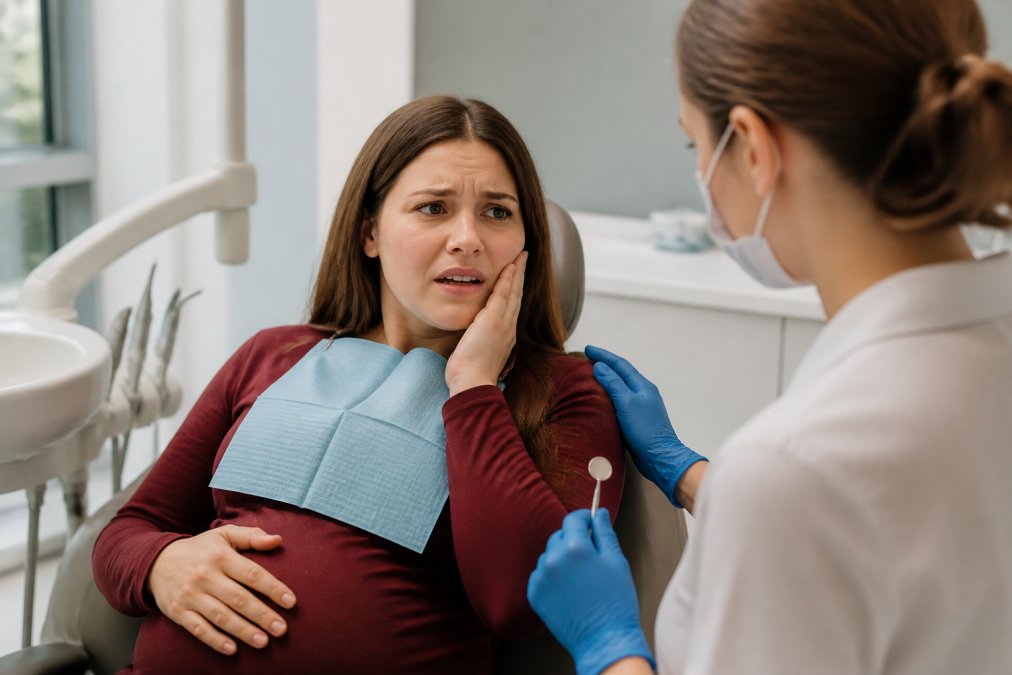
Table of Contents
- When to Seek Emergency Dental Care While Pregnant
- Safe Dental Procedures During Pregnancy
- Signs of Dental Infection During Pregnancy
- Dental Pain Relief During Pregnancy: Safe Options
- Trimester-by-Trimester Emergency Dental Guidelines
- Preparing for Emergency Dental Treatment While Pregnant
- Post-Procedure Recovery and Aftercare
- Frequently Asked Questions
Last Updated: August 23, 2026
When to Seek Emergency Dental Care While Pregnant
Pregnancy changes your body in ways that affect your teeth and gums, making some dental issues more urgent than others. Certain dental emergencies pose risks not just to you, but to your developing baby. Many pregnant women delay care worrying about treatment safety, but delaying necessary emergency dental care can actually increase health risks for both mother and fetus.
Seek emergency dental care immediately if you experience severe pain that prevents eating or sleeping, visible swelling in your face or jaw, signs of infection like fever or pus, or trauma to a tooth from injury. Moderate discomfort, minor chips, or sensitivity that doesn’t interfere with daily function can typically wait for a post-pregnancy appointment.

The second trimester is generally considered the safest window for emergency dental procedures (the American Dental Association). Your baby’s organs have formed, but you’re not yet in the final weeks when lying back in a dental chair becomes uncomfortable.
If you have a dental emergency outside normal office hours, call your regular dentist first. Most practices have emergency protocols and can advise whether you need immediate care or can safely wait until morning. If you cannot reach your dentist, visit an urgent care facility or emergency room with dental services.
Safe Dental Procedures During Pregnancy
Emergency dental procedures during pregnancy are generally safe when performed by dentists experienced in treating pregnant patients. Many pregnant women avoid dental treatment out of fear, but untreated dental emergencies pose greater risks than appropriate emergency care.
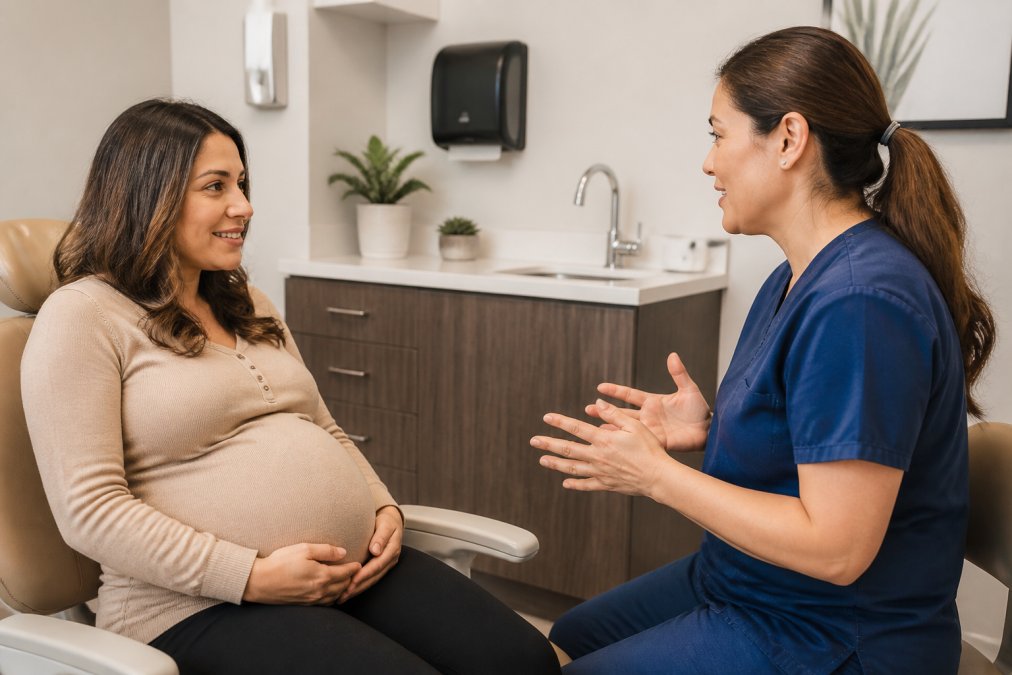
Local anesthesia is safe during pregnancy and necessary for pain control during emergency procedures (acog.org). The anesthetic agents used in dentistry don’t cross the placenta in significant amounts, and pain relief reduces stress hormones that could affect your baby.
Tooth extractions can be performed safely during pregnancy when necessary to treat infection or severe trauma. Root canal treatment is also safe and often preferable to extraction because it preserves your tooth structure.
Radiographs can be taken safely during pregnancy with proper shielding. Digital X-rays use significantly less radiation than older film-based systems, and a lead apron protects your abdomen and baby. Dentists typically avoid routine X-rays during pregnancy but will take them when necessary to diagnose an emergency.
Restorative work like fillings can be performed during pregnancy if causing pain or infection. Avoid scheduling routine cleanings or whitening during pregnancy, but emergency restorative work proceeds as needed.
Avoid nitrous oxide (laughing gas) during pregnancy, especially in the first trimester. Request local anesthesia alone if nitrous oxide is offered. Always inform your dentist that you’re pregnant before any procedure begins.
Signs of Dental Infection During Pregnancy
Dental infections require prompt attention during pregnancy because bacteria can enter your bloodstream and potentially affect your baby. A tooth abscess produces pus and causes swelling, severe pain, and sometimes fever. If you notice a small bump on your gum that’s tender to touch or see pus draining from a tooth, you likely have an abscess requiring emergency treatment.
Periodontal disease becomes more common during pregnancy due to hormonal changes that increase inflammation. Your gums may bleed when you brush, appear swollen or bright red, or feel tender. Moderate to severe periodontal disease during pregnancy increases the risk of preterm birth and low birth weight, making professional evaluation essential (peer-reviewed research).
Fever combined with tooth pain or facial swelling indicates a serious infection needing immediate attention. Untreated bacteremia can lead to serious complications for both you and your baby.
Swelling that affects your ability to swallow, breathe, or open your mouth warrants emergency room evaluation. Call 911 or go to the nearest emergency room immediately if you experience difficulty breathing or swallowing related to dental swelling.
A tooth that has been knocked out or severely fractured from trauma should be evaluated by a dentist as soon as possible. Emergency dental care in trauma cases focuses on preserving the tooth and preventing infection.
Dental Pain Relief During Pregnancy: Safe Options
Managing dental pain during pregnancy requires balancing pain relief with fetal safety.
Acetaminophen (Tylenol) is considered safe throughout pregnancy and is the first-line pain reliever for dental pain. Take it at the lowest effective dose following package directions.
Ibuprofen and other nonsteroidal anti-inflammatory drugs (NSAIDs) are generally safe in the first and second trimesters but should be avoided in the third trimester. If you’re in your third trimester and experiencing dental pain, acetaminophen or local anesthesia during a dental procedure are better options.
Aspirin should be avoided during pregnancy due to increased bleeding risks and potential effects on the fetus.
Prescription pain medications like opioids should be avoided if possible during pregnancy. Many dental emergencies can be resolved with local anesthesia alone, eliminating the need for systemic pain medication.
Cold compresses applied to the outside of your cheek can reduce swelling and numb pain temporarily. Apply ice wrapped in a cloth for 15 minutes at a time, with breaks between applications.
The safest approach to dental pain during pregnancy is addressing the underlying problem through appropriate dental treatment rather than relying on pain medication alone.
Trimester-by-Trimester Emergency Dental Guidelines
Your pregnancy is divided into three trimesters, each with different considerations for emergency dental care.
First Trimester (Weeks 1-12): This is the period of most rapid fetal development. Dentists typically recommend deferring all non-emergency dental treatment during this time. If you have a true emergency, severe pain, infection, or trauma, necessary treatment should proceed. Avoid taking X-rays unless absolutely necessary. If you’re planning pregnancy, schedule a dental checkup before conception to address any issues that might become emergencies later.
Second Trimester (Weeks 13-20): This is considered the safest window for emergency dental procedures if they become necessary. Your baby’s major organs have formed, and you’re still comfortable lying back in a dental chair. If you need a root canal, extraction, or other emergency procedure, the second trimester is the ideal time.
Third Trimester (Weeks 21-40): Avoid elective dental procedures during this time because lying back becomes uncomfortable and can put pressure on major blood vessels. However, true emergencies still require treatment. Your dentist will modify the chair position and limit procedure duration. If you can defer non-urgent treatment, do so, but don’t avoid necessary emergency care.
If you know you’re pregnant or planning pregnancy, contact Sendero Dental Studio to discuss any existing dental issues that might require attention.
Preparing for Emergency Dental Treatment While Pregnant
Proper preparation reduces anxiety and helps your dentist provide the best care. Inform your dentist immediately that you’re pregnant, including how far along you are.
Bring a list of all medications and supplements you’re taking, including prenatal vitamins. Your dentist needs this information to ensure safe care.
Eat a light meal before your appointment. Low blood sugar combined with pregnancy can increase nausea and dizziness. Stay well-hydrated in the hours before your appointment.
Arrange transportation so you don’t have to drive yourself home if you receive sedation or anesthesia.
Discuss pain management preferences with your dentist before the procedure begins. Ask about the expected duration and what to expect during recovery. If you experience anxiety about dental treatment, tell your dentist.
Wear comfortable, loose-fitting clothing that allows easy access to your arm for blood pressure monitoring. Avoid tight waistbands that put pressure on your abdomen.
Pregnant women experiencing dental emergencies benefit from dentists experienced in treating pregnant patients. Sendero Dental Studio’s team understands the unique needs of expectant mothers and takes extra care to ensure both your comfort and your baby’s safety during emergency procedures.
Post-Procedure Recovery and Aftercare
After emergency dental treatment, your recovery depends on the type of procedure performed. Most emergency dental procedures allow you to return to normal activities within a day or two.
If you had a tooth extraction, avoid rinsing, spitting, or using a straw for at least 24 hours. These actions can dislodge the blood clot forming in the socket. Eat soft foods for several days and avoid hot foods and drinks. Sleep with your head elevated on extra pillows to reduce swelling.
After a root canal or filling, avoid chewing on the treated tooth until it receives a permanent restoration. If the tooth feels sensitive to temperature or pressure, this is normal and usually resolves within a few days.
Swelling is common after extractions. Apply ice to the outside of your cheek for 15 minutes at a time during the first 24 hours, then switch to warm compresses if swelling persists. Swelling typically peaks at 48 hours and then gradually improves.
Take pain medication as directed by your dentist. Acetaminophen is safe throughout pregnancy and usually sufficient for post-procedure discomfort.
Watch for signs of infection during recovery. Fever, increasing swelling after the first few days, pus, or spreading redness warrant immediate contact with your dentist.
Maintain gentle oral hygiene after your procedure. Brush your other teeth normally, but avoid the treatment area for the first few days. Once initial healing has occurred, resume normal brushing and flossing, being gentle around the treated tooth.
Attend all follow-up appointments your dentist recommends. Some emergency procedures require additional treatment or permanent restoration after the emergency phase is resolved.
Emergency dental care for pregnant women requires careful coordination between your dental and obstetric care. Modern dentistry allows safe, effective treatment of dental emergencies during pregnancy when necessary. Sendero Dental Studio provides urgent emergency care. If you’re experiencing dental pain, swelling, or other concerning symptoms during pregnancy, don’t delay seeking care. Contact Sendero Dental Studio to discuss your situation and arrange prompt evaluation. Our team will work with you and your obstetrician to ensure safe, effective treatment that protects both your health and your baby’s development.
Frequently Asked Questions
Can I go to the emergency room for tooth pain while pregnant?
Yes, you can visit an emergency room if you have severe dental pain, signs of infection, or facial swelling that affects breathing or swallowing. However, most emergency rooms refer dental emergencies to urgent care dental clinics or emergency dental providers because they lack the equipment for definitive dental treatment. Contact your dentist first, many offer emergency appointments for pregnant patients. If you cannot reach your dentist and experience fever, difficulty swallowing, or facial swelling, seek immediate medical attention.
What are the risks of untreated tooth infections during pregnancy?
Untreated dental infections can lead to serious complications including bacteremia (bacteria entering the bloodstream), abscesses, and systemic infection. Research shows that untreated periodontal disease and dental infections are associated with increased risk of preterm birth and low birth weight. Infection can also spread to surrounding tissues, causing swelling that may affect breathing or eating. Prompt treatment of dental infection is essential to protect both maternal health and fetal development. Contact your dental professional immediately if you suspect an infection.
Are dental X-rays safe during pregnancy?
Yes, dental radiographs are considered safe during pregnancy when necessary for diagnosis and treatment. Modern dental X-rays use minimal radiation exposure, and protective lead aprons shield the abdomen and fetus. The American Dental Association confirms that the radiation dose from dental radiographs is extremely low and the benefit of identifying and treating dental problems outweighs the minimal risk. Inform your dentist that you are pregnant so they can use appropriate shielding and limit radiographs to those clinically necessary for emergency care.
What can help with swollen gums during pregnancy?
Swollen gums during pregnancy are common due to hormonal changes and increased blood flow. Manage swelling by rinsing with warm salt water several times daily, using a soft-bristled toothbrush, and maintaining consistent oral hygiene. However, severe swelling, redness, bleeding, or pus may indicate gingivitis or infection requiring professional evaluation. Avoid over-the-counter medications without consulting your dentist or physician. Your dental professional can perform gentle cleaning and provide specific guidance tailored to your pregnancy stage. Contact your provider if swelling worsens or is accompanied by pain or fever.
This article was written using GrandRanker