
Best Dental Implants for Seniors: A 2026 Guide
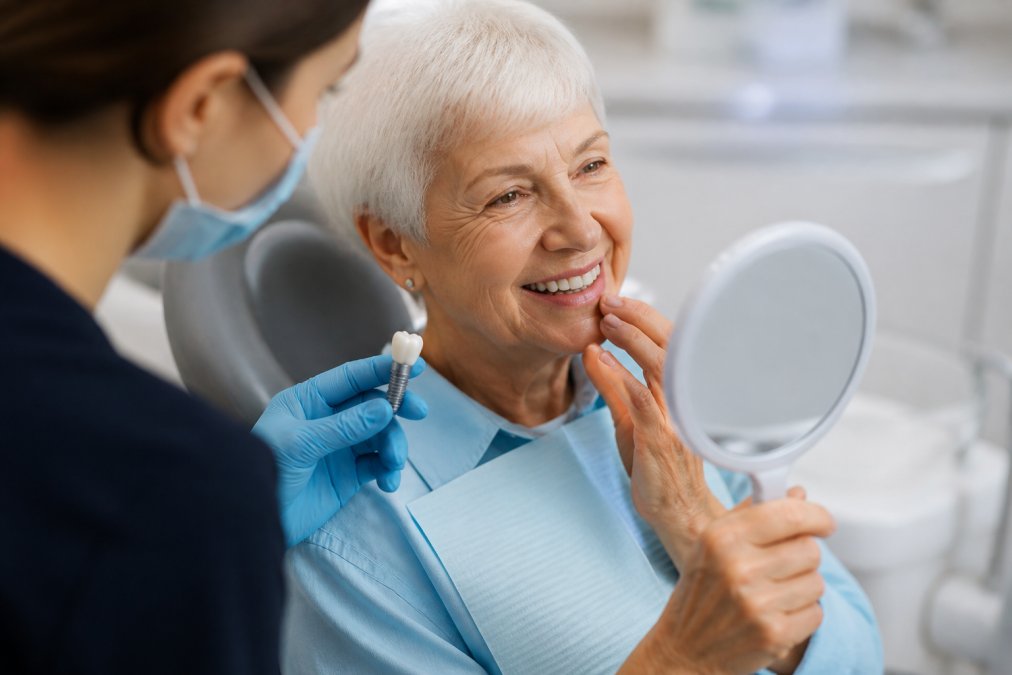
Table of Contents
- Are Dental Implants Safe for Seniors?
- Signs You Need Full Mouth Rehabilitation
- Types of Implant Solutions: Single, Bridge, and Beyond
- How Dental Implants Preserve Jawbone Health
- Dental Implant Recovery Time for Seniors
- What to Expect During the Implant Procedure
- Maintaining Oral Hygiene and Long-Term Implant Care
- Frequently Asked Questions
Last Updated: September 3, 2026
Are Dental Implants Safe for Seniors?
Dental implants are a safe and effective tooth replacement option for most seniors in adequate overall health with sufficient jawbone density. Unlike removable dentures, implants offer a permanent solution that functions like natural teeth. The key consideration isn’t age itself, but whether your body can heal properly after surgical placement of the titanium post.
Chronological age alone doesn’t disqualify you. What matters more is your medical history, bone quality, and commitment to oral hygiene. Seniors with well-controlled diabetes, heart disease, or other conditions often become successful implant candidates. The procedure has been performed on patients well into their 80s and 90s.
Certain factors do increase surgical risk. Uncontrolled diabetes, severe osteoporosis, or medications that compromise bone healing can complicate osseointegration, the biological process where your jawbone fuses with the titanium implant. Heavy smoking also impairs healing. A thorough pre-surgical evaluation with your dentist will identify whether you fall into a higher-risk category.
Recovery takes longer for seniors than younger patients, but remains manageable. Most experience minor discomfort for a few days and can return to soft foods within a week. Full osseointegration typically takes 3 to 6 months, during which the implant becomes anchored in the bone.
At Sendero Dental Studio, we conduct comprehensive health assessments before recommending implants, ensuring you’re a good candidate before moving forward. The decision to pursue implants should feel confident, not pressured, and a thorough consultation is the first step.
Signs You Need Full Mouth Rehabilitation
Full mouth rehabilitation becomes necessary when multiple teeth are missing or severely compromised, affecting your ability to eat, speak clearly, and maintain proper facial support. Widespread tooth loss reshapes your entire oral landscape and accelerates bone resorption in the jaw.
Common signs include difficulty chewing certain foods, noticeable changes in facial appearance or profile, speech changes or slurring, and chronic pain from failing restorations. Many seniors report feeling self-conscious about their smile, affecting social confidence and quality of life. If you’re avoiding certain foods or struggling with denture stability, comprehensive rehabilitation is warranted.
Bone resorption is one of the most serious consequences of tooth loss. When teeth are missing, the jawbone no longer receives the stimulation it needs to maintain density. This process accelerates over time, particularly in the first year after tooth loss (peer-reviewed research). A comprehensive rehabilitation plan addresses tooth replacement while preserving remaining bone structure and preventing further deterioration.
The psychological impact of tooth loss shouldn’t be underestimated. Seniors who’ve lost multiple teeth often experience reduced social engagement, depression, and diminished quality of life. Restoring function and appearance through full mouth rehabilitation frequently reverses these effects, with patients reporting increased confidence, better nutrition, and renewed social engagement.
Sendero Dental Studio specializes in full mouth rehabilitation for seniors. Our team evaluates how many teeth are missing, what bone remains, your health status, and your goals to recommend the most appropriate solution, whether implant-supported bridges, hybrid dentures, or a combination approach.
Types of Implant Solutions: Single, Bridge, and Beyond
The implant landscape offers several distinct options, each with different benefits, costs, and maintenance requirements.
Single Implants and Implant-Supported Bridges
A single implant replaces one missing tooth with a titanium post topped by a custom crown. This works well when you’re missing just one or a few non-adjacent teeth. The implant integrates with your jawbone, providing natural-looking results and full chewing function. Single implants preserve neighboring teeth because they don’t require grinding down adjacent teeth for support, unlike traditional bridges.
An implant-supported bridge spans multiple missing teeth using fewer implants than gaps. For example, if you’re missing three consecutive teeth, you might use two implants to support a three-tooth bridge. This approach reduces surgical sites while restoring a full smile.
The advantage of implant-supported solutions is permanence. Once osseointegration completes, they function like natural teeth. You brush and floss them normally, and they don’t require the nightly removal and cleaning that traditional dentures demand. For seniors with arthritis or dexterity challenges, this simplicity is a major benefit.
Implant solutions require surgery and a healing period of several months before the final restoration is placed. However, the long-term durability often justifies the initial investment and wait time.
Implant-Supported Dentures vs Traditional Dentures
Traditional dentures rest on your gums and rely on suction and your remaining ridge for stability. They’re removable, require daily cleaning, and can shift during eating or speaking. Many seniors struggle with denture stability as jawbone resorption continues.
Implant-supported dentures, sometimes called snap-in or hybrid dentures, anchor to implants surgically placed in the jawbone. These dentures snap onto the implants, providing dramatically improved stability and retention. You can still remove them for cleaning, but they stay firmly in place during eating and speaking.
For seniors with significant bone loss or who’ve worn traditional dentures for years, implant-supported dentures often feel transformative. Chewing efficiency improves markedly, speech clarity returns, and the psychological benefit of a secure smile is substantial.
The tradeoff is cost and complexity. Implant-supported dentures require multiple implants and surgical placement, though fewer than full-mouth fixed solutions. Maintenance is straightforward: daily brushing of the denture base and implant attachments, plus periodic professional cleaning.
Sendero Dental Studio offers both traditional and implant-supported denture solutions, emphasizing understanding your lifestyle, budget, and long-term goals.
How Dental Implants Preserve Jawbone Health
Tooth loss triggers immediate changes in your jawbone. Without the stimulation that tooth roots provide, the bone begins to resorb. Traditional dentures don’t stop this resorption; they simply sit on top of the shrinking ridge.
Dental implants function differently. The titanium post acts like an artificial tooth root, transferring chewing forces directly into the jawbone. This stimulation signals your body to maintain bone density at that site. Over time, the implant becomes fully integrated through osseointegration, creating a stable anchor that preserves bone.
This bone-preserving benefit extends beyond the implant itself. When you restore missing teeth with implants, you prevent the progressive bone loss that accelerates other dental problems. A jaw that retains its bone structure maintains better facial support, preventing the sunken appearance that develops with severe bone resorption. dental insurance coverage.
For seniors with multiple missing teeth, this becomes critical. Bone resorption compounds over years and decades. Comprehensive implant rehabilitation halts this trajectory and preserves the jawbone you still have.
Dental Implant Recovery Time for Seniors
The recovery timeline for dental implants involves two distinct phases: initial healing and osseointegration.
Immediately after implant placement surgery, you’ll experience some swelling, minor bruising, and discomfort. Most seniors manage this with over-the-counter pain medication and ice application. The acute phase typically resolves within 3 to 7 days. You can return to light activities and soft foods within a few days, with heavy exercise waiting about 2 weeks.
Osseointegration, the biological fusion of implant and bone, takes considerably longer, typically 3 to 6 months, depending on bone quality and implant location (the American Dental Association). Lower jaw implants often integrate faster than upper jaw implants. During this period, the implant must remain undisturbed.
Seniors often experience slightly longer recovery times than younger patients, but the overall timeline remains reasonable. What matters more is overall health status. A senior with good health and proper nutrition heals comparably to a younger person.
Bone quality plays a major role; denser bone integrates more quickly. If you require bone grafting or sinus lift procedures, the timeline extends. Medications like bisphosphonates, certain cancer medications, and immunosuppressants may slow osseointegration. Smoking significantly impairs healing and should be avoided during recovery.
What to Expect During the Implant Procedure
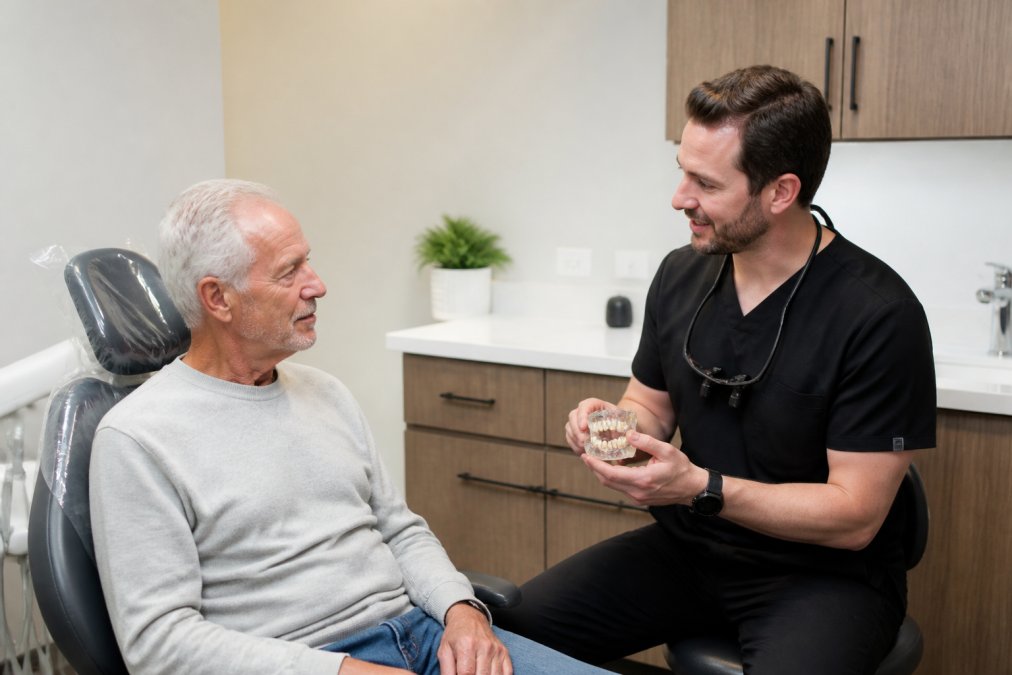
The implant placement procedure is typically performed under local anesthesia, though sedation options are available for anxious patients. Your dentist will numb the area thoroughly, so you shouldn’t feel pain, though you may feel pressure and vibration.
The procedure begins with careful bone preparation. Your dentist creates a small opening in the jawbone at the precise location for the implant. Modern dental technology, including 3D imaging and guided implant systems, improves accuracy considerably.
Once the site is prepared, the titanium implant is carefully threaded into the bone. The entire procedure typically takes 30 to 60 minutes, depending on complexity. After placement, the implant is often capped with a temporary abutment or left to heal beneath the gum tissue.
Post-operative instructions are straightforward: keep the area clean, avoid disturbing the implant, take prescribed antibiotics if given, and manage discomfort with ice and pain medication. Most seniors resume normal activities within a few days, though strenuous exercise should wait about 2 weeks.
At Sendero Dental Studio, we prioritize patient comfort throughout the procedure. Our team explains each step, answers your questions, and ensures you feel supported.
Maintaining Oral Hygiene and Long-Term Implant Care
Dental implants require ongoing care to remain healthy and functional. Unlike natural teeth, implants don’t develop cavities, but they can develop peri-implantitis, an infection of the bone and tissue surrounding the implant, if oral hygiene lapses.
Daily maintenance is straightforward. Brush your implant and crown the same way you’d brush a natural tooth, using a soft-bristled toothbrush. Floss around the implant daily using standard floss or a water flosser. Some seniors prefer water flossers because they’re easier to manipulate if arthritis affects hand dexterity.
Professional cleanings become even more important with implants. Visit your dentist every 6 months for professional cleaning and examination. Your dentist can spot early signs of peri-implantitis or other issues before they progress.
Certain habits damage implants and should be avoided. Smoking impairs healing and increases infection risk. Chewing on hard objects, ice, hard candy, or using your teeth as tools can damage the crown or underlying implant. Teeth grinding (bruxism) stresses implants; ask about a protective night guard if you grind your teeth.
Medication interactions deserve attention. Bisphosphonates and certain cancer medications increase implant complication risk. If you take these medications, inform your dentist before implant placement. Some medications also reduce saliva flow; staying hydrated and using sugar-free lozenges can help.
The long-term outlook for dental implants is excellent. Studies show that properly maintained implants have success rates exceeding 95% over 10 years (peer-reviewed research). Many implants function successfully for 20+ years. The crown or abutment may eventually need replacement, but the implant itself often remains stable for life.
Sendero Dental Studio emphasizes preventive care and long-term implant health. We provide detailed home care instructions, schedule regular professional cleanings, and monitor your implants closely to ensure they remain healthy and functional for decades.
Restoring your smile after tooth loss is more than cosmetic, it’s about regaining function, confidence, and quality of life. Dental implants offer seniors a durable, natural-feeling solution that preserves jawbone health and allows you to eat, speak, and smile without worry. At Sendero Dental Studio, we specialize in comprehensive implant solutions tailored to your unique needs. Our experienced team uses advanced technology to ensure comfortable, health-centered treatment. Contact us to discuss whether implants are right for you, and discover how we can help you achieve the smile you deserve.
Frequently Asked Questions
Should a 70-year-old get dental implants?
Age alone is not a barrier to dental implants for seniors. Many people in their 70s and beyond are excellent candidates if they have adequate jawbone density and good overall health. The key factors are bone health, gum disease status, and ability to follow post-procedure care instructions. A consultation with a qualified dental professional can determine if you’re a suitable candidate based on your individual health profile and goals.
What is the dental implant recovery time for seniors?
Initial healing typically takes 3-6 months, during which osseointegration occurs as the implant fuses with the jawbone. Seniors may experience slightly longer healing periods due to slower bone remodeling. During recovery, you’ll follow specific dietary guidelines and oral hygiene protocols. Most patients can return to normal activities within 1-2 weeks, though complete bone integration requires patience. Your dentist will provide a personalized timeline based on your healing progress.
How do implant-supported dentures compare to traditional dentures?
Implant-supported dentures offer greater stability, improved chewing efficiency, and better speech clarity compared to traditional removable dentures. They preserve more jawbone density and eliminate the need for adhesives. Traditional dentures are less expensive upfront and require no surgery, but they may shift during eating and speaking. Implant-supported options provide a more permanent solution, though they involve surgical placement and higher initial costs. Your dentist can help you weigh these factors based on your needs and preferences.
Are dental implants worth the investment for seniors?
Dental implants offer long-term durability and improved quality of life through better chewing function and confidence in social situations. While the initial cost is higher than other tooth replacement options, implants can last 25+ years with proper care, making them cost-effective over time. They also help prevent jawbone deterioration and may reduce overall dental health complications. Consider your budget, health status, and long-term goals when deciding if implants align with your priorities.
How do dental implants improve quality of life for seniors?
Dental implants restore the ability to eat a wider variety of foods, improving nutrition and digestion. They enhance speech clarity and eliminate concerns about dentures slipping during conversation. Many seniors report increased confidence in social situations and restored psychological well-being after tooth loss. Implants also preserve facial structure by preventing jawbone resorption, which can change appearance over time. The combination of functional and psychological benefits significantly impacts overall life satisfaction.
This article was written using GrandRanker