
What to Do When a Temporary Crown Falls Off
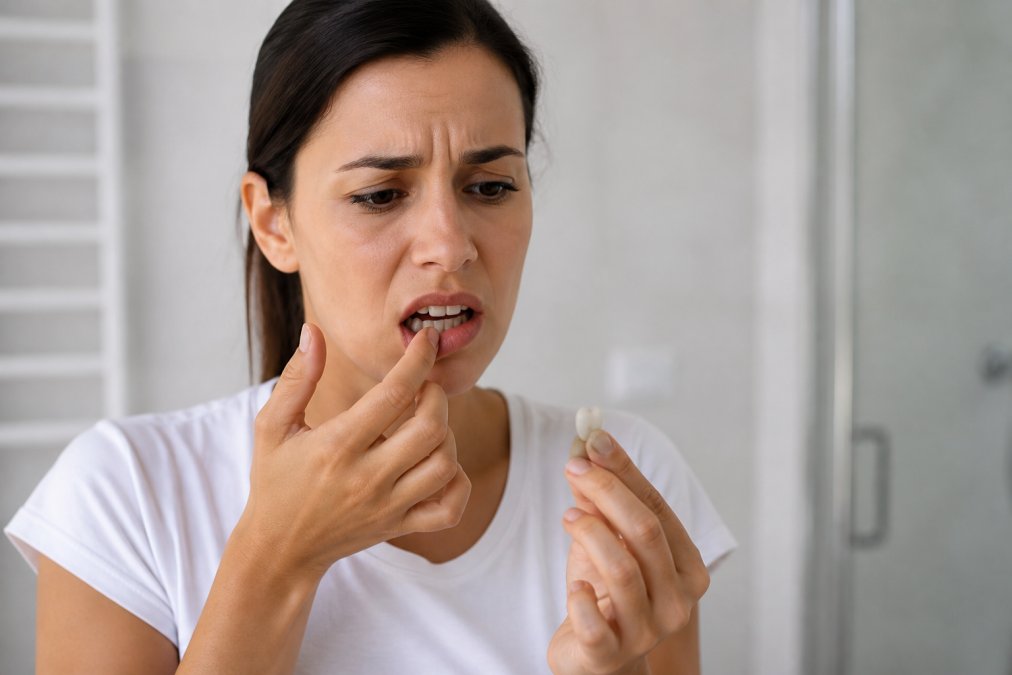
Table of Contents
- Immediate Steps to Take When Your Temporary Crown Falls Off
- Temporary Crown Fell Off: What to Use to Stick It Back On
- How Long Does a Temporary Crown Last and When to Call the Dentist
- What to Avoid Eating and How to Care for the Exposed Tooth
- Risks of Leaving the Crown Off and Signs of Damage
- Signs You Need Full Mouth Rehabilitation
- Insurance, Cost, and When to Seek Emergency Care
- Frequently Asked Questions
Last Updated: September 16, 2026
Immediate Steps to Take When Your Temporary Crown Falls Off
A temporary crown falling off is a common dental emergency, and the good news is that it is rarely dangerous if you act quickly. According to the [American Dental Association’s guidance on dental emergencies](https://www.ada.org/resources/ada-library/oral-health-topics/medical-emergencies-in-the-dental-office), a dislodged provisional restoration should be treated as urgent but not panic-inducing. At Sendero Dental Studio, we walk patients through this exact scenario regularly, and the steps below are what we recommend before you reach our office.
Check for Swallowing Hazard and Locate the Crown
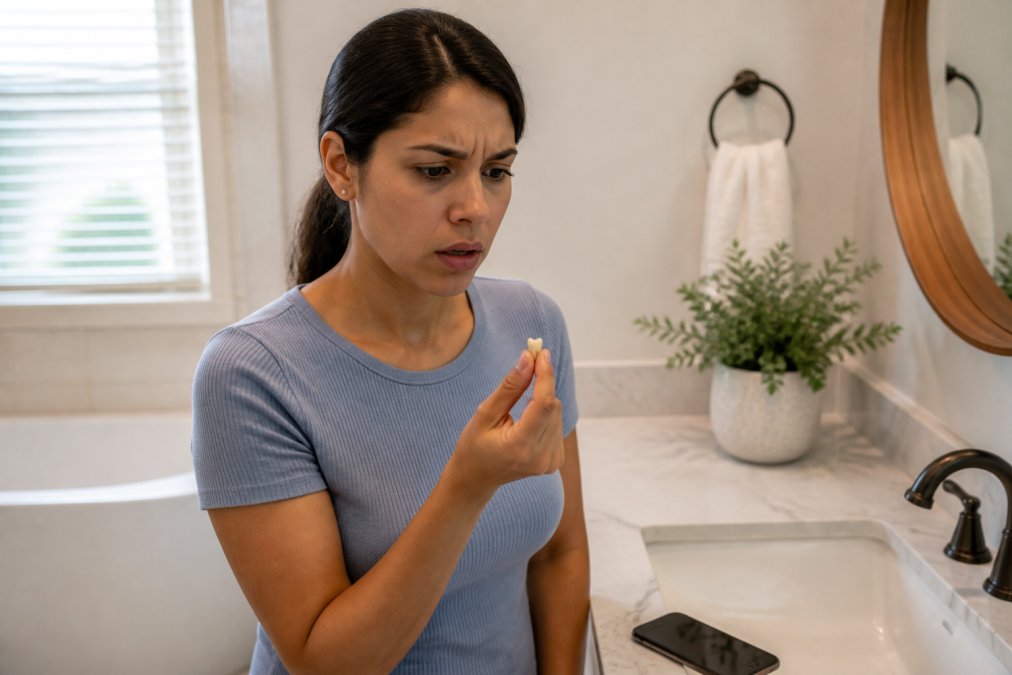
First, confirm you did not swallow the crown, it can become a choking hazard or, rarely, require medical attention. Check your mouth, plate, pillow, and the floor around where you were sitting. If you cannot find the crown and felt something go down your throat, contact a medical provider, not just your dentist.
Rinse and Inspect the Tooth and Crown
Rinse the crown gently with warm water. Hot water can distort a provisional restoration made from acrylic or composite resin.
- Look for rough edges on the abutment (the prepared tooth underneath)
- Check the crown for cracks, chips, or a broken margin
- Note any sharp spots on the tooth that could cut your tongue or cheek
Temporary Crown Fell Off: What to Use to Stick It Back On
You can temporarily reattach a fallen crown with over-the-counter dental cement or a small amount of toothpaste, but only until you see a dentist, a stopgap to protect the exposed abutment for a few hours, not to restore full chewing function.
Over-the-Counter Dental Adhesive Options
Dental adhesive products sold at pharmacies hold for a few hours to a day, usually enough time to get an emergency appointment. Look for products labeled temporary dental cement or temporary crown adhesive, and follow the package directions over any general advice online.
A reliable seating sequence:
- Clean and dry the crown inside and out with a soft brush and warm water, then dry it with a clean tissue.
- Rinse your mouth with warm salt water, then pat the abutment dry with gauze or a clean tissue. Adhesive bonds poorly to a wet surface.
- Apply a thin layer of adhesive only to the inside of the crown. A pea-sized amount is plenty; too much raises the bite.
- Seat the crown with firm, steady finger pressure straight down. Do not rock it side to side, which can bend the margins.
- Bite down gently on a clean cloth or gauze for two to three minutes to let the cement set.
- Check the bite by tapping your teeth together lightly. If the crown feels high or you cannot close normally, remove it and leave the tooth exposed until you see your dentist.
DIY Temporary Cement Alternatives and What to Avoid
If you cannot get dental adhesive right away, a tiny dab of toothpaste (not gel) can hold a crown for a few hours. It is messy and unreliable, but safer than most home remedies. Plain white toothpaste works better than gel because it has more body and less moisture.
Avoid these entirely:
- Super glue or craft adhesive
- Chewing gum
- Petroleum jelly
- Denture adhesive creams made for full dentures
- Any product not labeled for oral use
Never use super glue or household adhesives to reattach a crown. They can burn gum tissue, and the hardened bond often forces your dentist to cut the crown off, which means a new impression and a new provisional restoration. If the crown is already bonded with super glue, do not attempt removal at home.
When Reattachment Is Not the Right Move
Skip the DIY route and call your dentist if any of these apply:
- The crown is cracked, chipped, or has a broken margin
- The abutment looks dark, has a visible cavity, or bleeds when touched
- The crown will not seat fully even with no cement
- You feel sharp pain when you bite or when air hits the tooth
- The tooth feels loose or mobile
How Long Does a Temporary Crown Last and When to Call the Dentist
A temporary crown typically lasts a few days to a few weeks, depending on the material and how well you care for it. It is not built for long-term use.
When you call, have these details ready:
- When the crown came off
- Whether the tooth or crown is damaged
- Whether you are in pain
- Whether you swallowed any part of the crown
What to Avoid Eating and How to Care for the Exposed Tooth
Until the crown is re-cemented, treat the exposed tooth like a healing wound. The dentin underneath is porous and sensitive, and the pulp can become irritated quickly.
Avoid these foods:
- Hard or crunchy items (ice, nuts, hard candy)
- Sticky foods (caramel, taffy, dried fruit)
- Very hot or very cold drinks
- Sugary snacks that feed bacteria on the exposed surface
Risks of Leaving the Crown Off and Signs of Damage
Leaving the crown off more than a day or two raises real risks. The exposed tooth can shift, gum tissue can grow over the margin, and the underlying structure can develop decay or sensitivity that turns a simple re-cementation into a bigger restorative procedure. The abutment is prepared dentin, which is porous and a fraction of the hardness of enamel, so it wears and stains faster than an intact tooth.
What Happens Hour by Hour
The timeline matters:
- First few hours: The dentin is exposed and sensitive to air, cold, and touch. The pulp may ache briefly.
- 24 to 48 hours: The prepared tooth can begin to shift slightly because it is no longer splinted by the crown. The gum tissue around the margin can start to swell and creep over the edge.
- 3 to 7 days: Dentin wear accelerates, the bite can change, and the opposing tooth may start to super-erupt into the space. A crown that fit perfectly on day one may not seat at all by day seven.
- Beyond a week: Decay can begin on the exposed surface, and the gum can grow over the margin far enough that your dentist has to re-prepare the tooth before a new crown will fit.
This is why same-day or next-day care matters: a crown re-cemented within 24 hours usually seats with no adjustment, while one that sits in a drawer for a week often does not.
How to Care for the Exposed Abutment While You Wait
- Brush the area gently with a soft-bristled brush and fluoride toothpaste, twice a day.
- Rinse with warm salt water after meals to clear debris from the prepared surface.
- Avoid chewing on that side entirely, even soft foods if you can.
- Skip dental floss near that tooth until your dentist has re-cemented the crown, since flossing can pull a loosely seated restoration right back off.
- Use a sensitivity toothpaste if cold air or liquids sting. It will not fix the exposure, but it can reduce the ache.
- Keep the crown in a clean, dry container if you are not wearing it, and bring it to your appointment.
Do not apply aspirin, clove oil, or numbing gel directly to the gum around the abutment. These can burn tissue and mask symptoms your dentist needs to evaluate.
Salvageable vs. Needs a New Impression
Not every fallen crown can be reused. Use this guide before you try to reattach:
Likely salvageable:
- The crown is intact with no cracks, chips, or missing pieces
- The margin (the edge that meets the gum) is smooth and unbroken
- The crown seats fully on the abutment with light pressure and no rocking
- The bite feels the same as before it fell off
Likely needs a new impression:
- Any visible crack, chip, or fracture, even a hairline one
- A broken or rolled margin
- The crown rocks or will not seat fully
- The crown has been out for more than a few days and the tooth has shifted
- The crown was previously re-cemented more than once
- The crown is made of a material that has warped, such as a thin acrylic provisional exposed to heat
Watch for These Signs
Call your dentist the same day if you notice:
- Sharp or throbbing pain that does not fade
- Visible cracks or dark spots on the tooth
- Bleeding or swollen gums around the abutment
- A bad taste or odor
- The crown no longer fits when you try to seat it
- A feeling that the tooth is loose or moving
If you cannot get in to see a dentist right away, keep the crown in a clean, dry container and bring it to your appointment. Even a damaged crown gives your dentist useful information about the fit and the bite. Take a photo of the crown and the exposed tooth with your phone before you leave the house, so you can show your dentist what changed if the situation worsens.
The single biggest factor in whether a fallen temporary crown can be re-cemented is time. Under 24 hours, most crowns seat without adjustment. Past a few days, the tooth shifts, the gum creeps, and the crown often has to be remade. Call your dentist the same day, even if you successfully reattach the crown at home.
Signs You Need Full Mouth Rehabilitation
Most fallen crowns are a simple fix, but sometimes a dislodged temporary crown signals that the tooth, or the mouth as a whole, needs more than a re-cement.
Consider a full mouth rehabilitation evaluation if you notice:
- Multiple crowns or fillings failing in a short period
- Chronic jaw pain, clicking, or difficulty chewing
- Worn, flattened, or cracked teeth across several areas
- Missing teeth affecting your bite
- Persistent sensitivity that does not improve
Insurance, Cost, and When to Seek Emergency Care
Re-cementing a temporary crown is usually minor, but cost depends on your insurance plan and whether the crown needs replacing. We cannot quote specific prices because they vary by plan and extent of work, but here is what to ask your insurer.
Ask these questions before your appointment:
- Is a crown re-cementation covered as a diagnostic or minor procedure?
- Is a replacement temporary crown covered if mine is damaged?
- What is my out-of-pocket responsibility after the deductible?
- Do I need pre-authorization for a new permanent crown?
Seek emergency care immediately if you have:
- Uncontrolled bleeding
- Severe swelling in your face or jaw
- Difficulty breathing or swallowing
- A high fever with dental pain
| Situation | What to Do | Urgency |
|---|---|---|
| Crown intact, tooth normal | Re-cement with dental adhesive, call dentist | Same day |
| Crown cracked or chipped | Do not reattach, call dentist | Same day |
| Severe pain or swelling | Call dentist or urgent care | Immediate |
| Crown swallowed | Contact medical provider | Immediate |
| Tooth sensitive but stable | Soft foods, warm rinse, call dentist | Next day |
Frequently Asked Questions
How long can you go if your temporary crown falls off?
A temporary crown protects the underlying tooth while your permanent restoration is being made. If it falls off, you should contact your dentist promptly, ideally within a day or two. Going without it for an extended period leaves the exposed tooth vulnerable to sensitivity, decay, and shifting. If you cannot get an appointment quickly, a dental adhesive from the pharmacy can hold it in place temporarily, but this is not a long-term solution.
Can I still eat if my temporary crown fell off?
Yes, but choose soft foods and chew on the opposite side of your mouth. Avoid sticky, hard, or crunchy items that could further irritate the exposed tooth or damage the crown if you reattach it. Cold or hot foods may cause sensitivity because the dentin is exposed. Rinse with warm water after eating to keep the area clean, and avoid biting down directly on the unprotected tooth.
Is it common for a temporary crown to fall off?
It happens fairly often, especially if the temporary cement wears down or you eat something sticky. Temporary crowns are not meant to be permanent, so some loosening is expected. If yours comes off, it does not necessarily mean something went wrong with the dental procedure. Clean the crown, protect the tooth, and call your dental office for a re-cement appointment or further guidance.
Can I use super glue to fix my temporary crown?
No. Super glue and household adhesives are toxic and can damage the tooth, irritate gums, and make it harder for your dentist to reattach the crown properly. Use only dental adhesive or temporary cement designed for oral use. If you do not have any on hand, leave the crown off and keep the tooth clean until you can see your dentist. Never place super glue in your mouth.